Things to Do in Bangkok, Thailand
City of Angels — Street Food, Temples, and Neon-Lit Nights
- Average daily budget
- $35–$90/day
- Currency
- Thai Baht (฿)
- Language
- Thai
- Best for
- Food, Temples, Nightlife, Shopping
About Bangkok
Bangkok is one of Southeast Asia's most exciting cities — a sensory overload of gleaming temples, saffron-robed monks, tuk-tuk fumes, world-class street food, and rooftop bars with sweeping city views. The Thai capital's ability to be simultaneously overwhelming and deeply welcoming is one of its defining qualities. Whether you're eating pad thai at a plastic table on a sidewalk, floating through klong markets on a longtail boat, or sipping cocktails 66 stories above the city, Bangkok offers an intensity of experience that few cities in the world can match.
Top Attractions in Bangkok
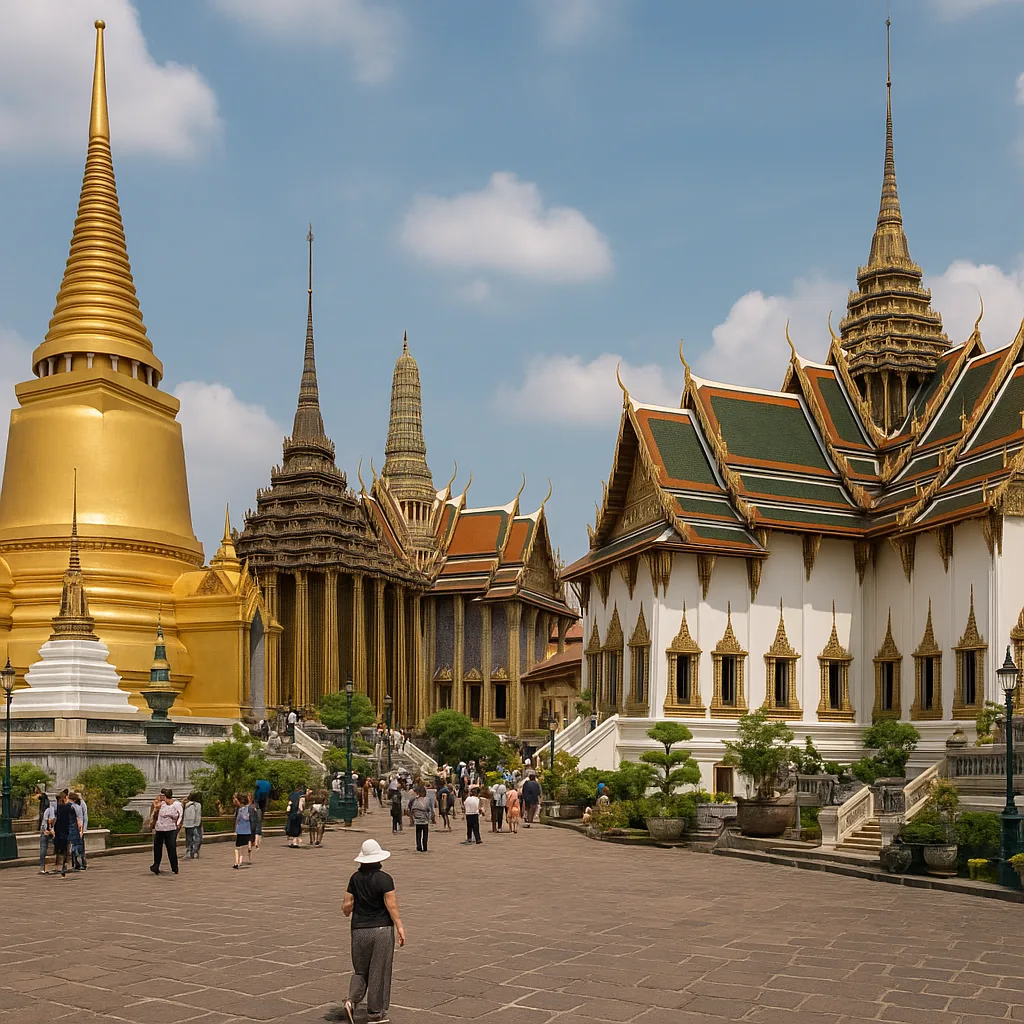
Grand Palace & Wat Phra Kaew
Thailand's most sacred site contains the Emerald Buddha in a complex of dazzling gilded spires and mosaic-covered chedis. Arrive at 8am to beat the tour groups and allow 2–3 hours for the full complex.
Wat Pho (Temple of the Reclining Buddha)
Home to a magnificent 46-meter gold reclining Buddha, Wat Pho is also Bangkok's most respected traditional Thai massage school — get a massage on-site for the most authentic experience.
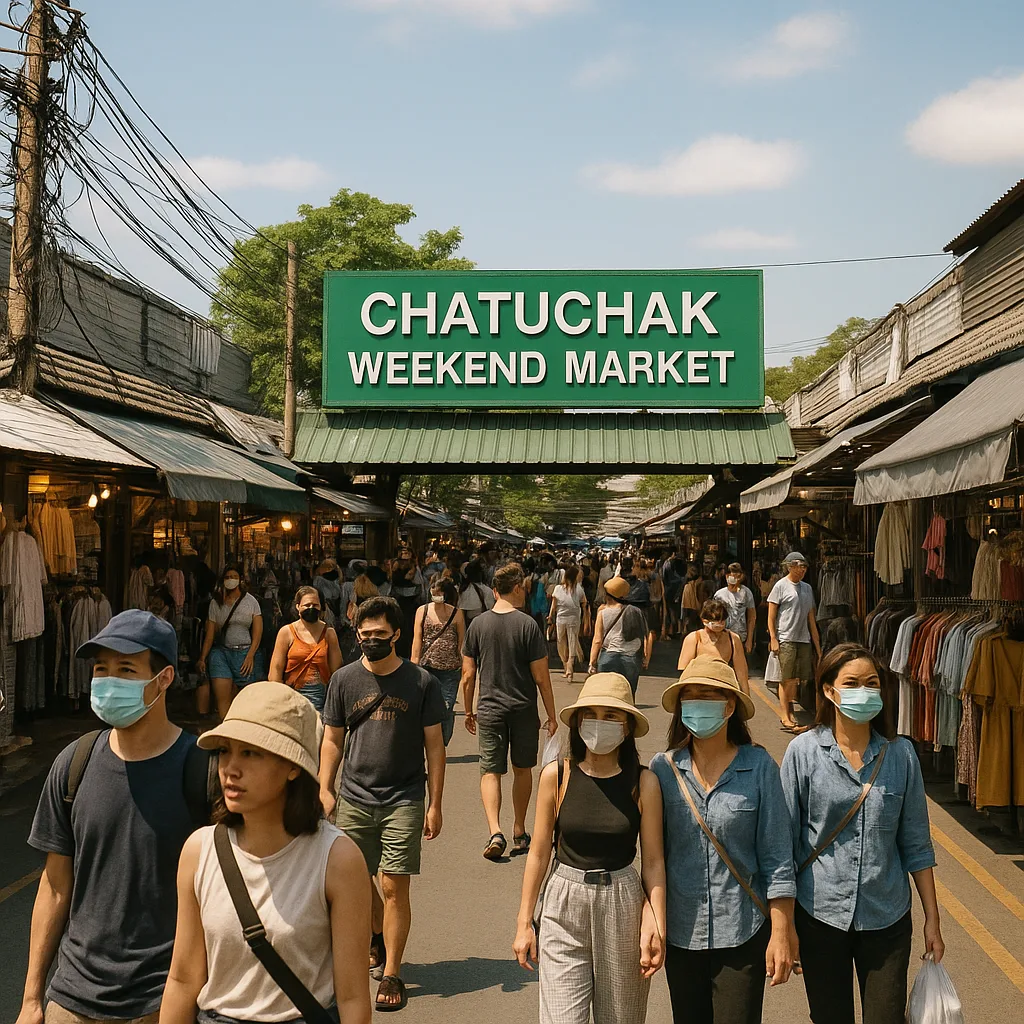
Chatuchak Weekend Market
With over 15,000 stalls spread across 35 acres, Chatuchak is the world's largest weekend market. Fashion, antiques, plants, live animals, street food, and handmade crafts — allow 4–6 hours.
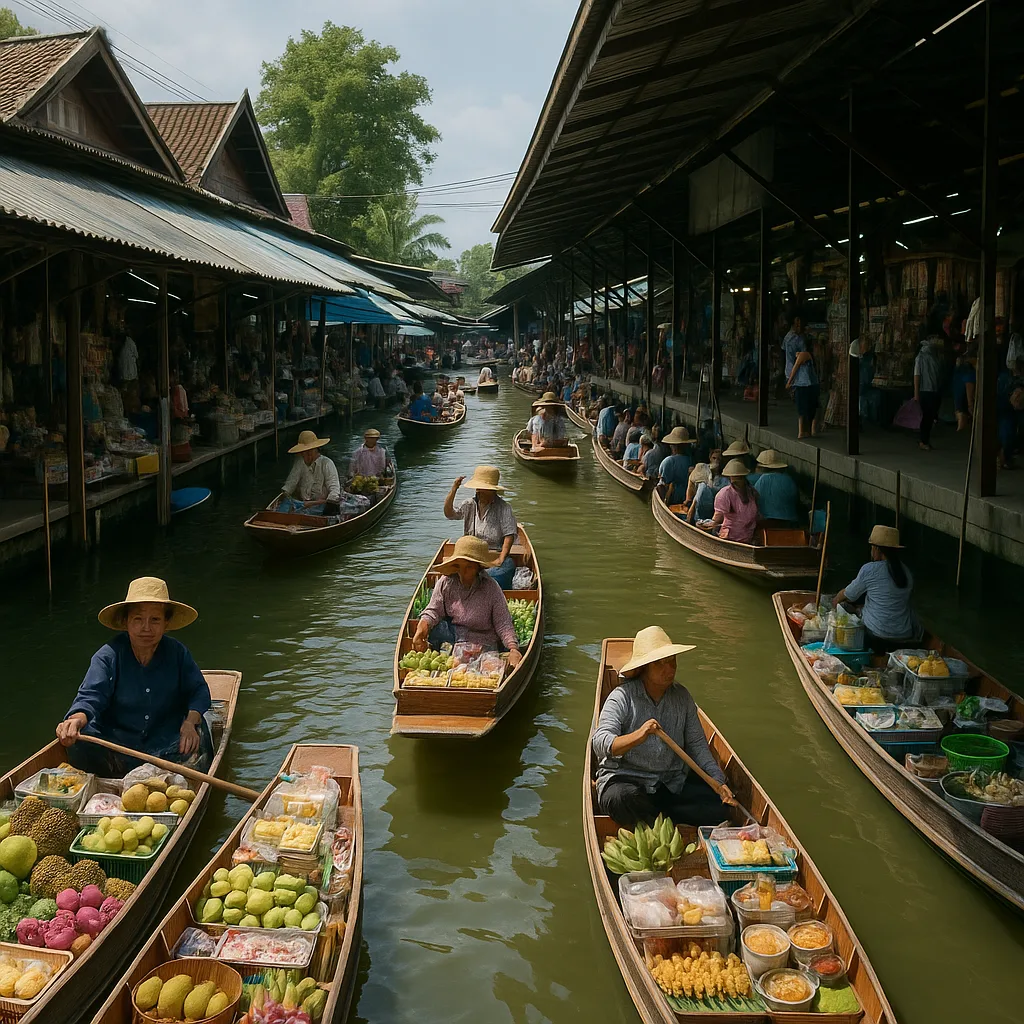
Floating Markets (Damnoen Saduak)
Vendors in wooden boats sell fresh tropical fruits, pad thai, and souvenirs on narrow canals. Damnoen Saduak is the most famous, while Amphawa (2 hours south) is more authentic.
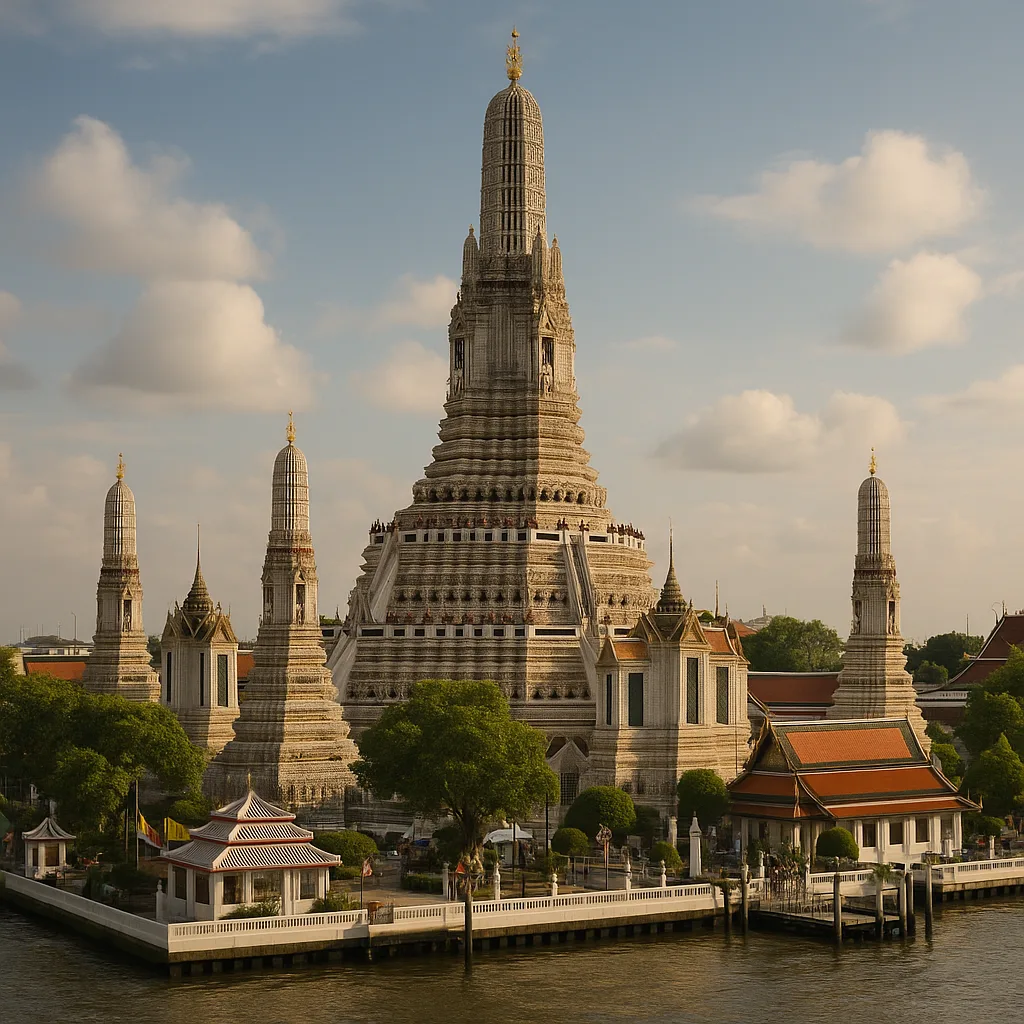
Wat Arun (Temple of Dawn)
This spectacular riverside temple encrusted with colorful Chinese porcelain is best photographed from across the Chao Phraya River at sunset or admired up-close after climbing its steep central prang.
Khao San Road
Bangkok's legendary backpacker street is a non-stop carnival of street food, bucket cocktails, bargain guesthouses, and travelers from every corner of the world — chaotic, cheap, and unforgettable.
Best Neighborhoods in Bangkok
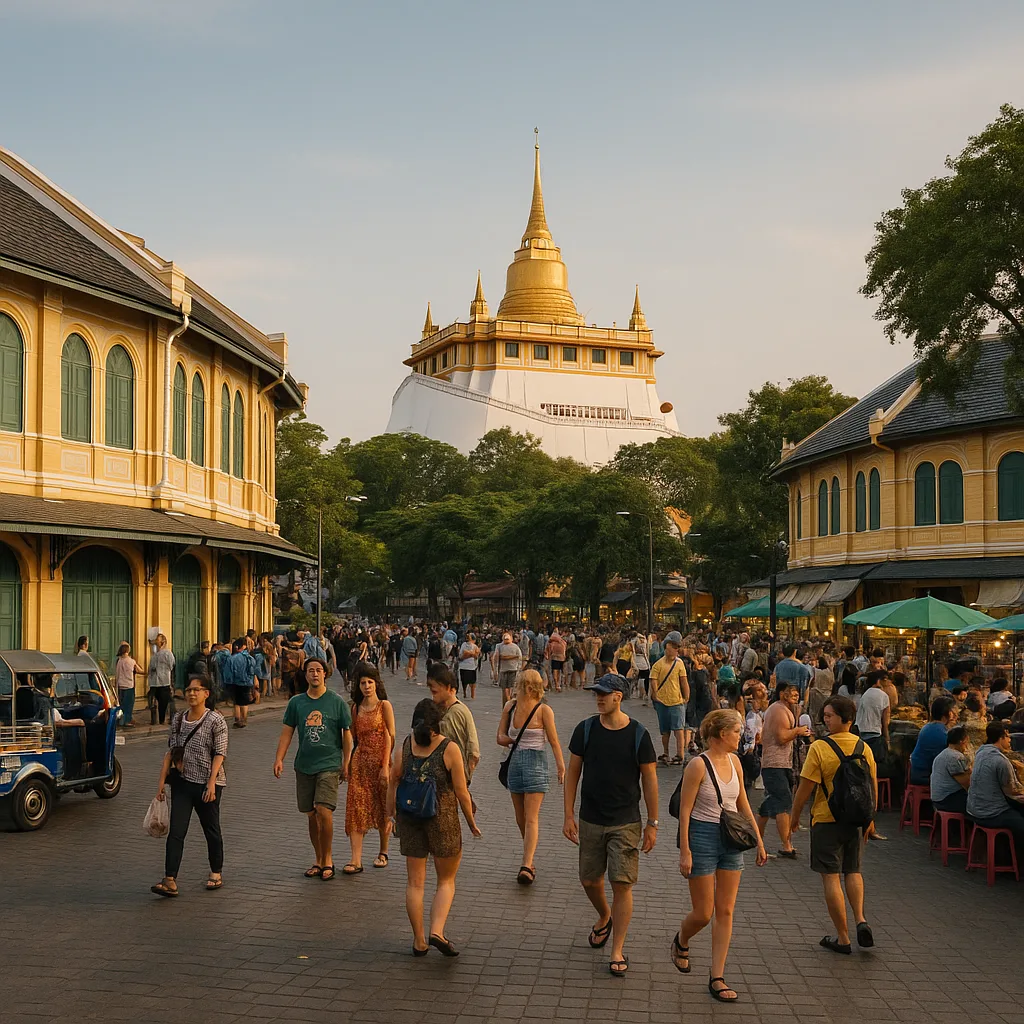
Banglamphu / Rattanakosin
The historic heart of Bangkok, containing the Grand Palace, major temples, and the vibrant Khao San Road backpacker district along the Chao Phraya.
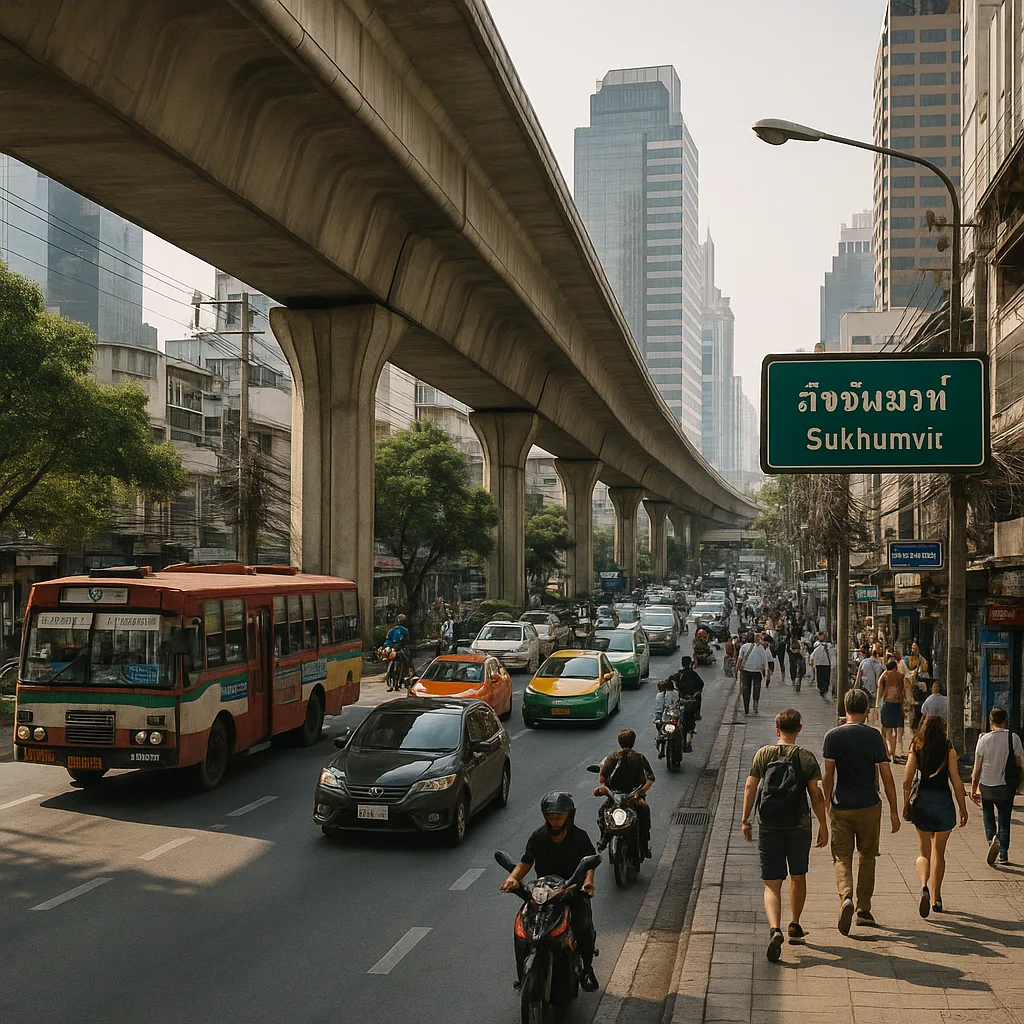
Sukhumvit
Bangkok's cosmopolitan spine stretches along the BTS Skytrain for miles, with international restaurants, rooftop bars, night markets, and the famous Nana and Asok entertainment districts.
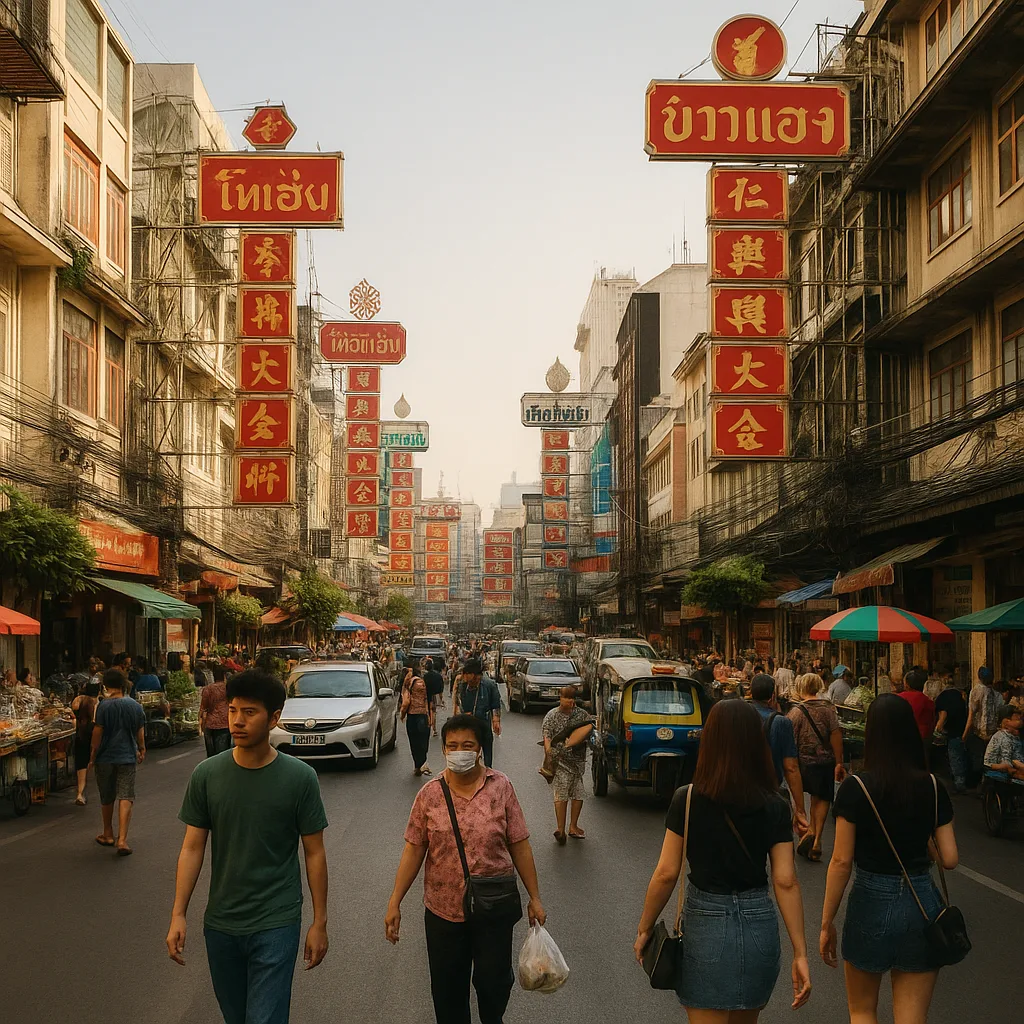
Chinatown (Yaowarat)
Gold shops, herbal medicine stalls, and some of Bangkok's most legendary street food — the cluster of restaurants along Yaowarat Road at night is one of Asia's great food experiences.
What to Eat in Bangkok
- Pad thai from a street cart
- Mango sticky rice at Or Tor Kor Market
- Tom yum goong (spicy prawn soup)
- Boat noodles at Victory Monument
- Khao man gai (chicken rice) for breakfast
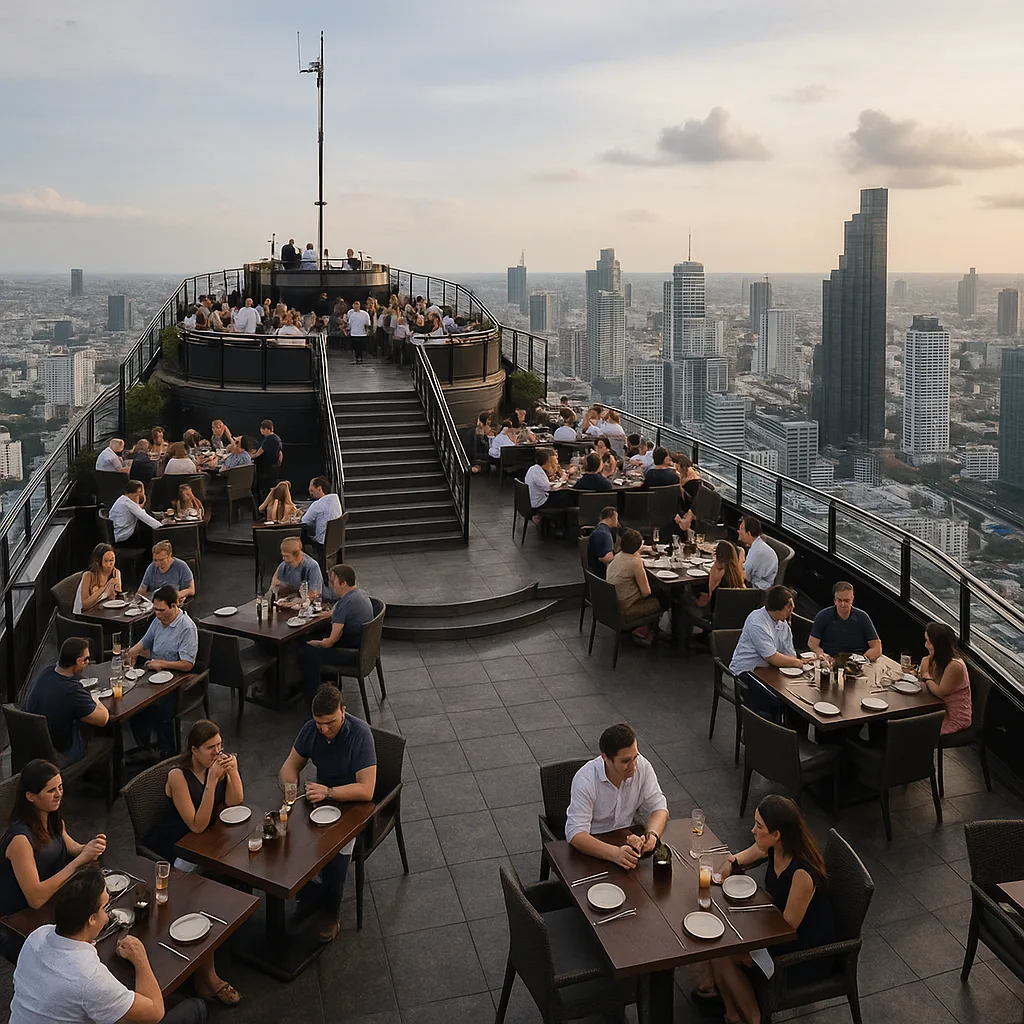
- Rooftop cocktails at Vertigo or Sky Bar
Best Time to Visit Bangkok
November to February is the cool, dry season — the best time to visit with comfortable temperatures and clear skies. March to May is extremely hot. June to October is monsoon season with daily afternoon rains — still visitable but be prepared to get wet.
Getting to and Around Bangkok
Suvarnabhumi (BKK) is 30 km east of the centre: the Airport Rail Link runs to Phaya Thai in 26 minutes for ฿45, where you change to the BTS Skytrain, and a metered taxi from the official rank on level 1 is ฿300–฿450 to Sukhumvit or the old city including the ฿50 airport surcharge and expressway tolls, 45–90 minutes depending on the hour. Don Mueang (DMK), the low-cost airport 25 km north, has the SRT Dark Red Line to Krung Thep Aphiwat (Bang Sue) in 20 minutes for ฿33 and taxis at ฿250–฿350. In town the BTS Skytrain (Sukhumvit and Silom lines) and the MRT subway (Blue and Purple lines) are air-conditioned and immune to the traffic, with fares of ฿17–฿62; a Rabbit card works on the BTS and contactless bank cards on the MRT. The old city and its temples sit beyond both networks, so use the Chao Phraya Express Boat: the orange-flag boat is ฿16 a ride between Sathorn pier (BTS Saphan Taksin) and Tha Chang for the Grand Palace or Tha Tien for Wat Pho, and the cross-river shuttle to Wat Arun is ฿5. Khlong Saen Saep canal boats (฿10–฿20) are the fast way from Pratunam to Banglamphu. Grab and Bolt rides across town run ฿100–฿250; a tuk-tuk should never cost more than a taxi. Traffic peaks 7–9am and 4–8pm, when a 5 km ride can take an hour.
Where to Stay in Bangkok
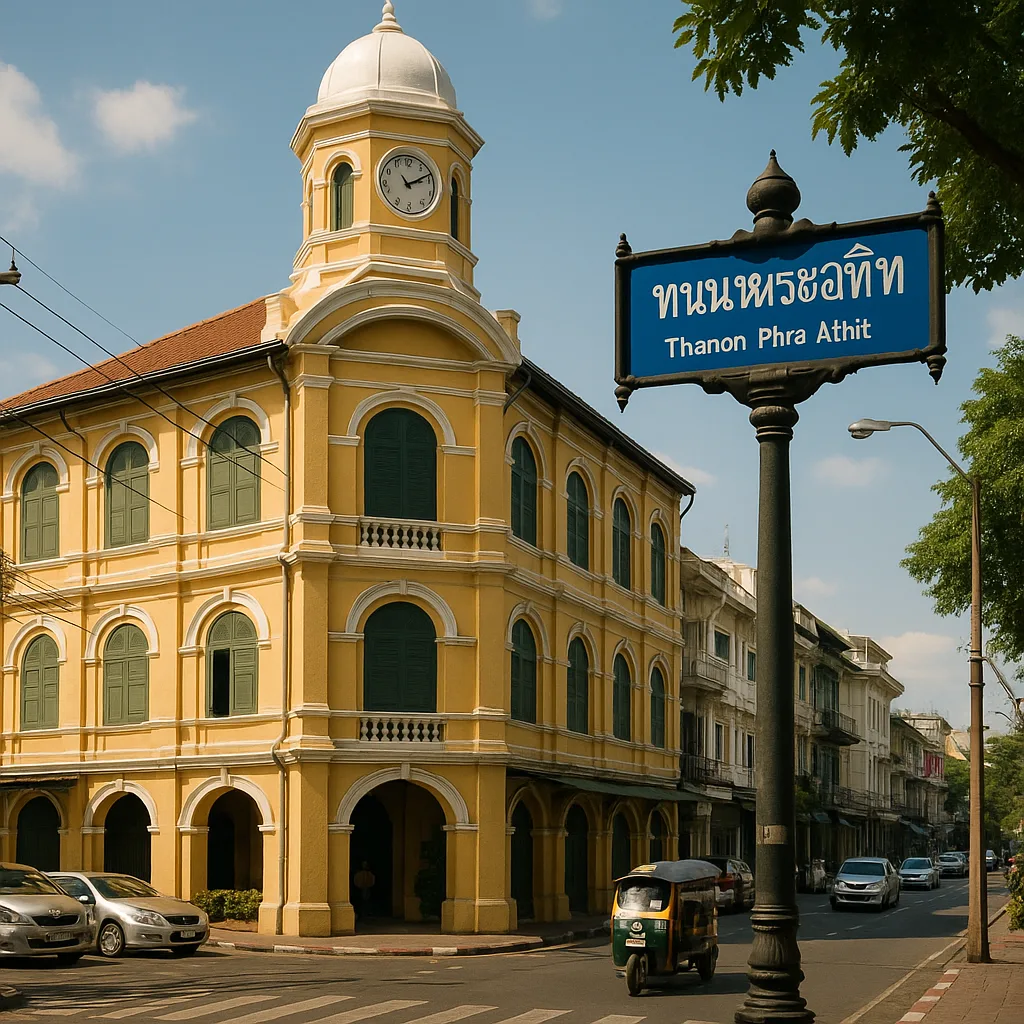
Riverside is the classic luxury address: the Mandarin Oriental, Peninsula and Shangri-La along the Chao Phraya charge ฿12,000–฿30,000 a night, while the boutique hotels and hostels in the lanes behind Charoen Krung Road in Bang Rak and Talat Noi go for ฿1,500–฿4,000 with the same river boats. Sukhumvit between Nana and Thong Lo is the most convenient for the BTS, rooftop bars and restaurants, with international chain hotels at ฿3,000–฿7,000 and serviced apartments that beat them on value for a week. Silom and Sathorn are the business district, quiet at weekends, with good mid-range hotels at ฿2,000–฿4,500 and Lumphini Park for a morning run. Banglamphu is the budget quarter: Khao San Road hostels from ฿300 a bed, and calmer guesthouses on Phra Athit Road and Soi Rambuttri at ฿800–฿2,000 within walking distance of the Grand Palace, though you will rely on boats and taxis to reach the Skytrain. Chinatown has a new wave of design hotels in old shophouses at ฿2,500–฿5,000 and the MRT at Wat Mangkon. Rates are highest from December to February and at Songkran (13–15 April); from June to October the same rooms are often 30% cheaper.
3 Days in Bangkok: A Sample Itinerary
Every stop below is one of the places named in this guide. Use it as a starting point, or let the planner build a version around your dates, pace and budget.
Day 1: The old city temples and the river
Morning: Grand Palace & Wat Phra Kaew
The Grand Palace & Wat Phra Kaew at the 8:30am opening (฿500; long trousers and covered shoulders required), then the ten-minute walk south to Wat Pho for the Reclining Buddha and a traditional massage at the temple's own school (about ฿320 for 30 minutes).
Afternoon: Wat Arun (Temple of Dawn)
Cross the river on the ฿5 shuttle from Tha Tien to Wat Arun and climb the central prang, then take the express boat downriver and the MRT to Wat Mangkon for a late lunch of noodles on Yaowarat Road in Chinatown.
Evening: Chinatown (Yaowarat)
Return to Yaowarat after 6pm when the street kitchens open along Chinatown's main road: grilled seafood, kuay jab and roast duck at the plastic tables, then a taxi to Khao San Road for a bucket cocktail and the street's night parade.
Day 2: Markets, malls and a rooftop
Morning: Chatuchak Weekend Market
If it is Saturday or Sunday, the Chatuchak Weekend Market from 9am (MRT Kamphaeng Phet, exit 2) for four hours of clothes, ceramics and street food; on a weekday, mango sticky rice and a fruit breakfast at Or Tor Kor Market across the road instead, then the Jim Thompson House on Soi Kasemsan 2.
Afternoon: Sukhumvit
BTS to Siam for the malls and the air conditioning, then Sukhumvit: Terminal 21 at Asok, a Thai massage on Soi 11 and khao man gai at a shophouse on Soi 38 near Thong Lo.
Evening: Vertigo and Moon Bar
Rooftop cocktails at Vertigo on the 61st floor of the Banyan Tree or at Sky Bar at Lebua (smart dress, arrive before sunset for a seat), then tom yum goong and pad thai from a street cart on Sukhumvit Soi 38.
Day 3: Floating markets, then Banglamphu by night
Morning: Floating Markets (Damnoen Saduak)
Leave at 7am for the Floating Markets at Damnoen Saduak, 90 minutes southwest, and hire a paddle boat for the canals before the tour buses at 9:30; the Maeklong railway market is on the way back.
Afternoon: Banglamphu / Rattanakosin
Back in the city by 2pm for Banglamphu: the Golden Mount at Wat Saket for the view, boat noodles at Victory Monument or khao man gai on Phra Athit Road, and a walk along the river wall at Santichaiprakarn Park.
Evening: Phra Athit Road
Dinner at one of the riverside restaurants near Phra Athit pier, then, if the legs allow, a last Chao Phraya boat past Wat Arun lit up after dark.
Plan this trip — get a personalized day-by-day Bangkok itinerary with drive times, restaurant picks and a packing list.
Bangkok Travel Tips
- Take the BTS Skytrain or MRT subway whenever possible — Bangkok traffic is notoriously brutal
- Always negotiate tuk-tuk prices before getting in, and agree the fare in writing or on a phone screen
- Dress respectfully at temple sites — no bare shoulders or knees (scarves are available on-site)
- Carry small-denomination banknotes — many street food vendors can't change large bills
- Download Grab (like Uber) for reliable metered rides without the negotiation
Bangkok FAQ
When is the best time to visit Bangkok?
November to February is the cool, dry season — the best time to visit with comfortable temperatures and clear skies. March to May is extremely hot. June to October is monsoon season with daily afternoon rains — still visitable but be prepared to get wet.
How much does a day in Bangkok cost?
Plan on an average daily budget of $35–$90/day in Bangkok. The local currency is the Thai Baht (฿).
How do I get around Bangkok?
Take the BTS Skytrain or MRT subway whenever possible — Bangkok traffic is notoriously brutal. Always negotiate tuk-tuk prices before getting in, and agree the fare in writing or on a phone screen.
What should I know about safety and etiquette in Bangkok?
Dress respectfully at temple sites — no bare shoulders or knees (scarves are available on-site).
What are the top things to do in Bangkok?
Top attractions in Bangkok include Grand Palace & Wat Phra Kaew, Wat Pho (Temple of the Reclining Buddha), Chatuchak Weekend Market, Floating Markets (Damnoen Saduak) and Wat Arun (Temple of Dawn). Bangkok is best for food, temples, nightlife and shopping.
Similar Destinations to Bangkok
- More in Asia → Japan or Southeast Asia for a first trip, a 14-day Tokyo, Kyoto and Bangkok route with the Shinkansen and one flight, visas and arrival cards, monsoon seasons and daily budgets.