Things to Do in Lisbon, Portugal
Seven Hills, Soulful Fado, and the Atlantic's Golden Light
- Average daily budget
- $70–$130/day
- Currency
- Euro (€)
- Language
- Portuguese
- Best for
- History, Fado Music, Food, Day Trips
About Lisbon
Lisbon is one of Europe's most beguiling capitals — an ancient Atlantic city spread across seven hills, its azulejo-tiled facades glinting in light that is unlike anywhere else in Europe. The capital of a once-great maritime empire, Lisbon wears its history lightly in the fado houses of Alfama, the Moorish castle above the city, and the grand Manueline architecture of Belém. Today's Lisbon is also a dynamic, buzzing city of excellent restaurants, craft cocktail bars, world-class museums, and a creative energy that has made it one of Europe's most desirable places to live — and visit.
Top Attractions in Lisbon
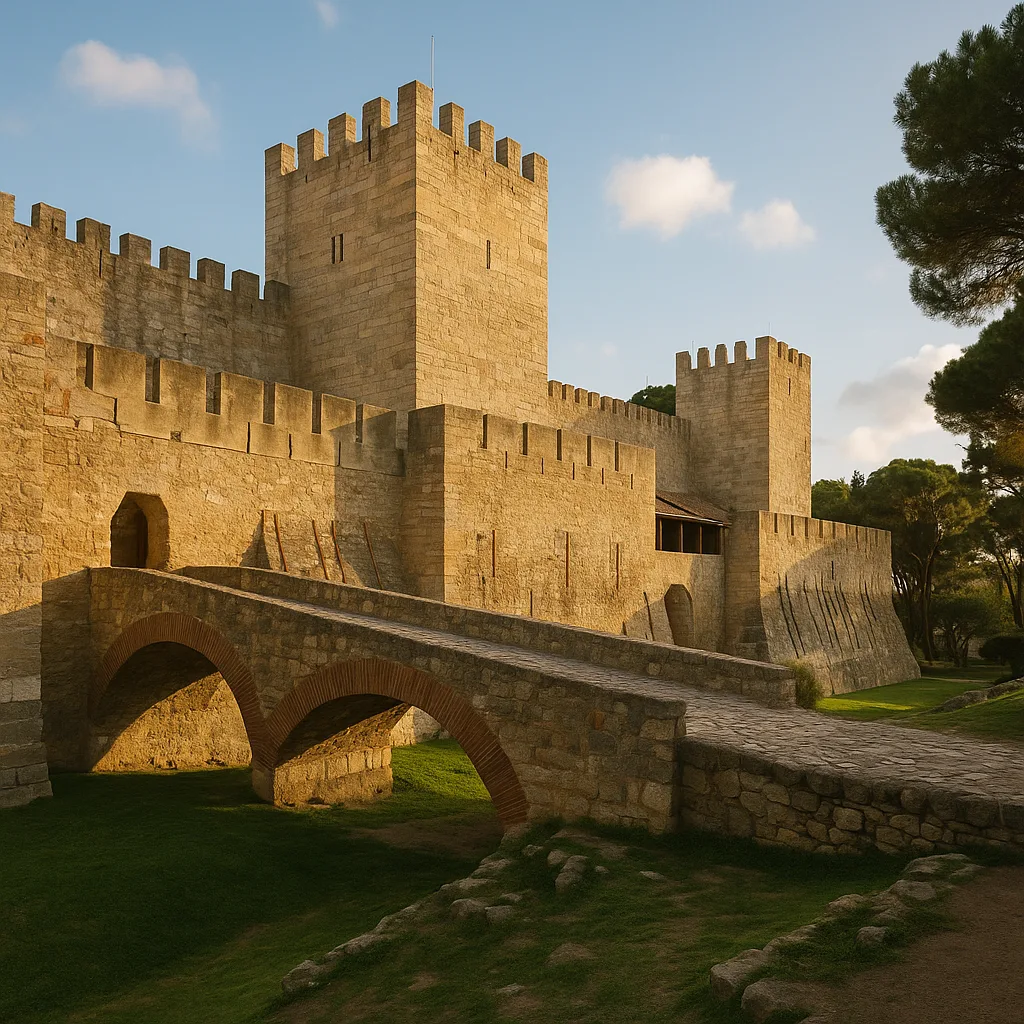
São Jorge Castle
The Moorish castle dominating Lisbon's highest hill offers sweeping 360-degree views over the city, the Tagus River, and the Atlantic beyond. The archaeological museum inside reveals layers of civilization from the Iron Age through the Moorish occupation.
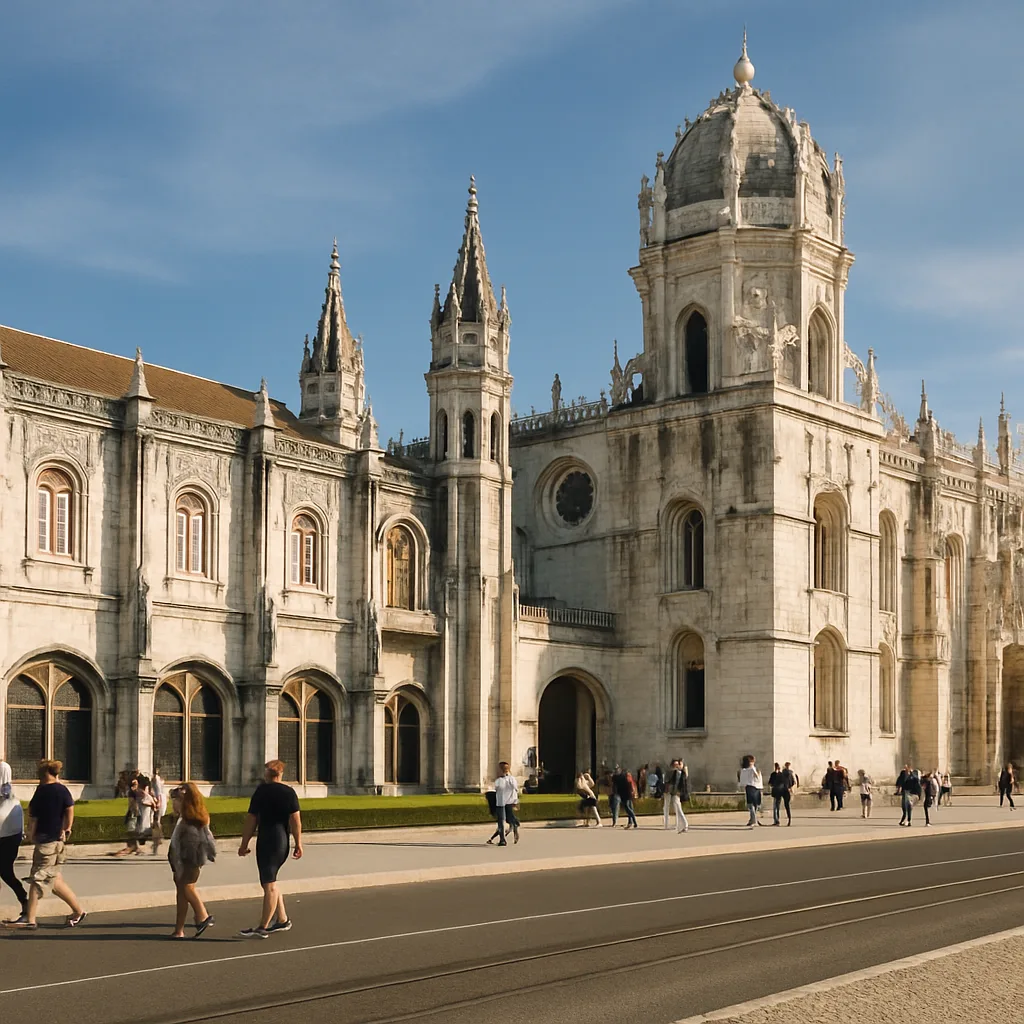
Jerónimos Monastery, Belém
This UNESCO World Heritage Manueline masterpiece is Portugal's greatest architectural achievement — ornate limestone carvings celebrating the Age of Discovery. Vasco da Gama and poet Luís de Camões are entombed inside.
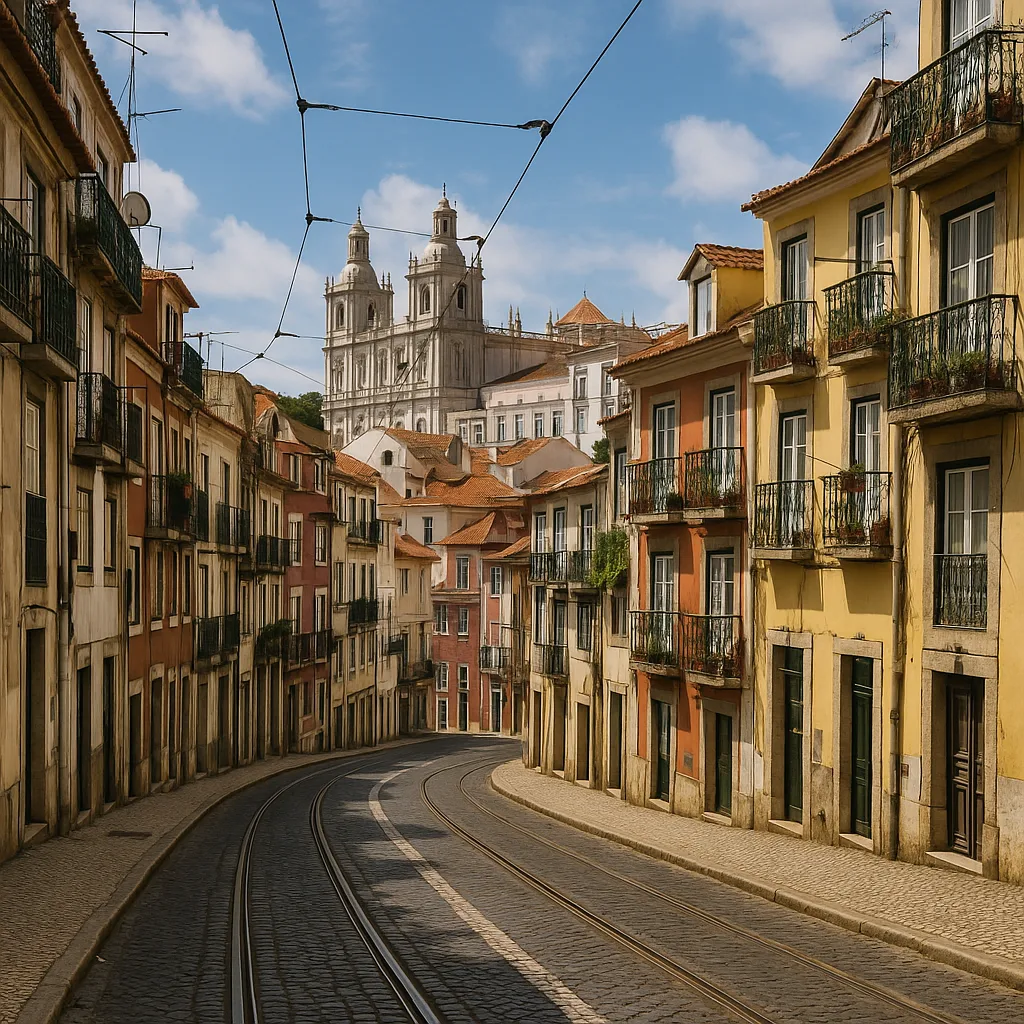
Alfama District & Miradouros
Lisbon's oldest neighborhood tumbles down the hillside toward the river, its narrow alleys alive with the sound of fado. Climb to the Portas do Sol and Santa Luzia viewpoints for iconic city views.
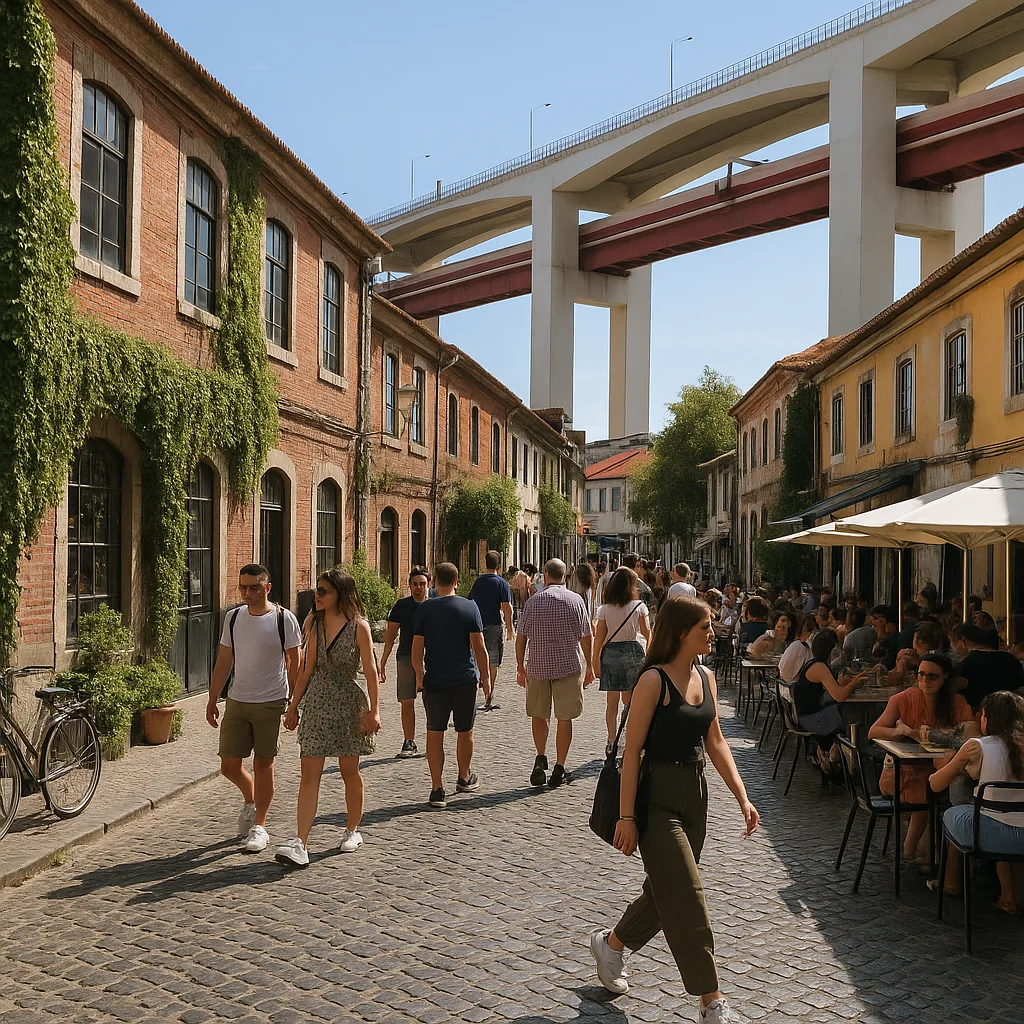
LX Factory
A converted 19th-century industrial complex that now houses independent restaurants, concept stores, bookshops, and the legendary Sunday market under a ceiling hung with bicycles.
Sintra Day Trip
Just 40 minutes from Lisbon by train, the fairy-tale palaces and castles of Sintra set in forested hills are among Portugal's most spectacular sights — Pena Palace and the Moorish Castle especially.
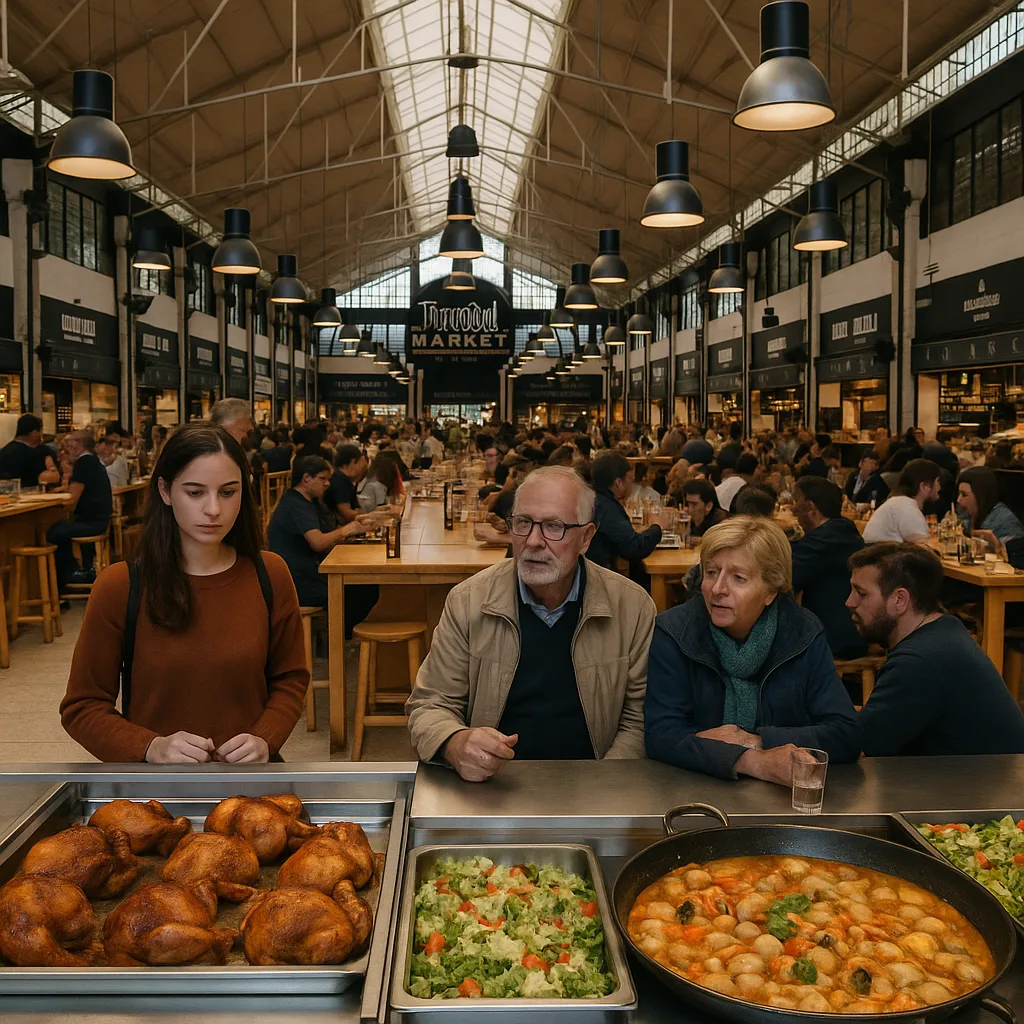
Time Out Market
Lisbon's gourmet food hall brings together the best of the city's chefs in one spectacular space — get pastel de nata from Manteigaria, clams from A Cevicheria, and bifanas from O Corvo.
Best Neighborhoods in Lisbon
Alfama
Lisbon's soul — the oldest Moorish neighborhood is a labyrinth of narrow alleys, traditional fado houses, ceramic tile shops, and miradouros with stunning river views.
Príncipe Real
A leafy, upscale neighborhood with antique shops, design boutiques, excellent restaurants, and the beautiful Jardim do Príncipe Real — Lisbon's most sophisticated quarter.
Mouraria
The historic Moorish quarter is undergoing a vibrant renaissance with multicultural restaurants, fado history, and some of the best petiscos (Portuguese tapas) in the city.
What to Eat in Lisbon
- Pastel de nata (custard tart) from Pastéis de Belém
- Bacalhau à brás (salt cod with eggs and potatoes)
- Bifanas (pork sandwiches) at O Trevo in Chiado, or the prego at Cervejaria Ramiro
- Fresh seafood — amêijoas na cataplana (clam stew)
- Petiscos at a tasca in Alfama
- Ginjinha (sour cherry liqueur) from a tiny hole-in-the-wall
Best Time to Visit Lisbon
March to May and September to October are ideal — warm, uncrowded, and affordable. June through August is peak season with high temperatures (up to 38°C in July) and maximum tourists, but also the most festivals and outdoor events. Winter (November–February) is mild and green with excellent value.
Getting to and Around Lisbon
Humberto Delgado airport sits inside the city: the red metro line reaches Saldanha in 20 minutes and, with one change, Baixa-Chiado in about 30 for around €1.85 plus a €0.50 Viva Viagem card; a taxi or Bolt to the centre is €12–€20. The hills are the real transport challenge, so learn the shortcuts: the Elevador de Santa Justa, the Glória and Bica funiculars, and the free public lifts and escalators from Baixa up towards the castle. A 24-hour Carris/Metro ticket on the Viva Viagem card is about €7 (€11 including the trains to Sintra and Cascais) and covers metro, buses, trams and the Santa Justa lift; the Lisboa Card (24 hours about €27) adds entry to Jerónimos and Belém Tower. Tram 28 through Alfama and Graça is the famous ride but packed; Tram 12's short loop or the modern Tram 15 to Belém (30 minutes from Praça da Figueira) are calmer. Trains to Sintra leave Rossio every 20–30 minutes and to Cascais from Cais do Sodré every 20; both take about 40 minutes and cost around €2.60 each way.
Where to Stay in Lisbon
Baixa and Chiado are central, mostly flat and connected to everything; hotels run €140–€260 a night in spring and autumn and €200–€350 in July and August. Alfama is the atmospheric choice, with converted townhouses and apartments at €100–€200, steep stairs and fado drifting in through the window; check the walk from the nearest tram stop before booking with luggage. Príncipe Real and neighbouring Bairro Alto suit design-minded visitors at €150–€300, with the caveat that Bairro Alto is loud until 3am. Mouraria and Graça are the value quarters at €80–€150, five to ten minutes on foot above the castle. Belém is quiet, 25 minutes from the centre by tram and good for families. Lisbon's tourist tax is €4 per person per night, and the city's new limits on short-term rentals mean the best apartments book out two to three months ahead for May, June, September and October.
3 Days in Lisbon: A Sample Itinerary
Every stop below is one of the places named in this guide. Use it as a starting point, or let the planner build a version around your dates, pace and budget.
Day 1: Alfama and the castle
Morning: São Jorge Castle
São Jorge Castle at the 9am opening for the view before the heat, then downhill through the Alfama District to the Portas do Sol and Santa Luzia miradouros and the Sé cathedral.
Afternoon: Alfama
Petiscos at a tasca in Alfama, then Mouraria for the fado history on its walls and the climb to the Graça viewpoint.
Evening: Alfama
A fado house in Alfama (book a table; the singing starts around 9pm) and a ginjinha in a tiny bar near Rossio on the way home.
Day 2: Belém and the riverfront
Morning: Jerónimos Monastery, Belém
Tram 15 to Belém for Jerónimos Monastery at its opening (buy a timed ticket), the tombs of Vasco da Gama and Camões, then pastéis de nata still warm from Pastéis de Belém and a walk to Belém Tower.
Afternoon: LX Factory
Lunch at LX Factory in its converted print works, the bookshop under a ceiling of bicycles, then the riverside path back east towards Cais do Sodré.
Evening: Time Out Market
Time Out Market for dinner from a dozen of the city's chefs, then cocktails in the gardens of Príncipe Real.
Day 3: Sintra day trip
Morning: Sintra Day Trip
The 8:30am train from Rossio to Sintra, bus 434 to Pena Palace for the first slot, then the walls of the Moorish Castle next door.
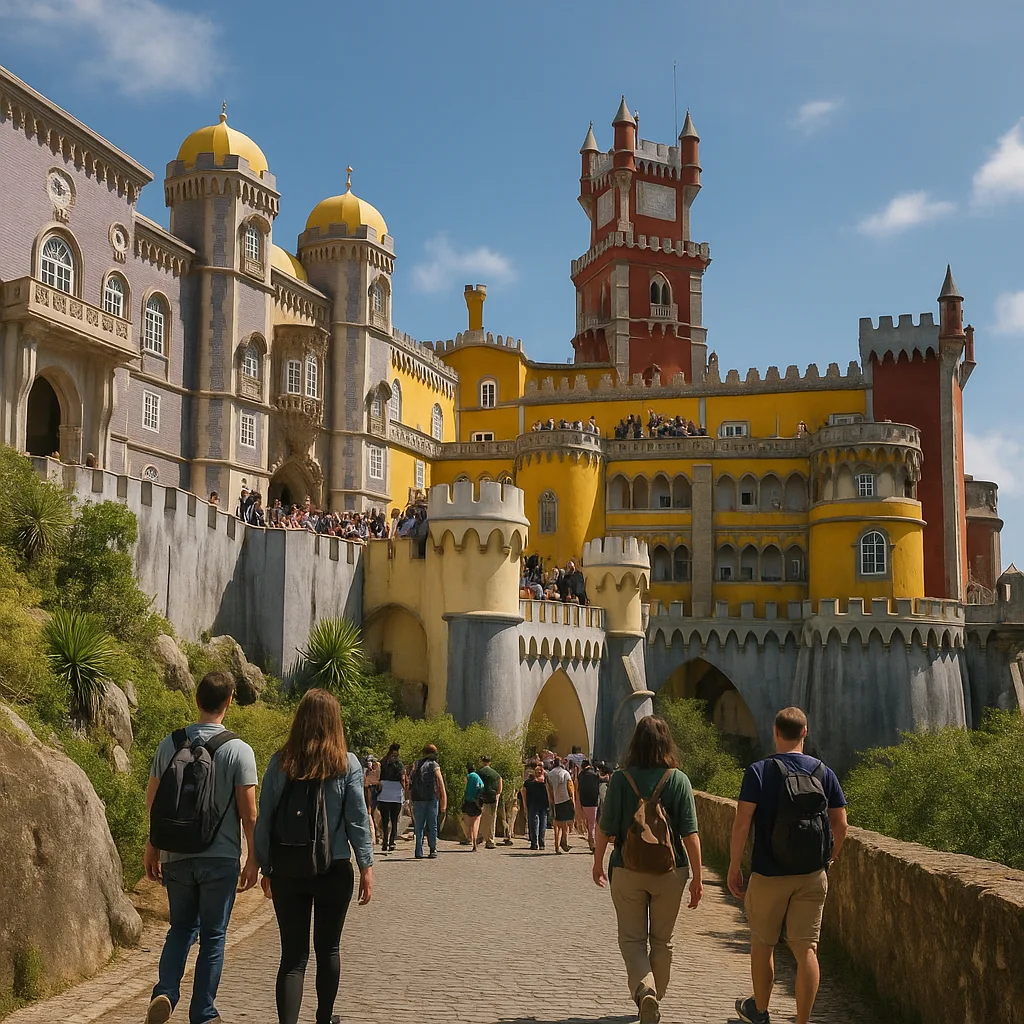
Afternoon: Sintra Day Trip
Quinta da Regaleira and its initiation well, a late lunch in Sintra town, and the train back by 5pm.
Evening: Sintra Day Trip
Clams and the prego steak sandwich at Cervejaria Ramiro on Avenida Almirante Reis (the queue starts before 7pm), then a nightcap in Bairro Alto.
Plan this trip — get a personalized day-by-day Lisbon itinerary with drive times, restaurant picks and a packing list.
Lisbon Travel Tips
- Wear comfortable shoes — Lisbon's cobblestone hills are beautiful but treacherous in slippery soles
- The iconic yellow Tram 28 is extremely crowded with tourists — take it for fun but be warned of pickpockets
- The miradouros (viewpoints) are free and best at sunset — Santa Luzia and Portas do Sol in Alfama, São Pedro de Alcântara above Bairro Alto
- Take the train to Sintra (about €2.60 each way from Rossio station, 40 minutes) — it's one of Portugal's unmissable experiences
- Lisbon's restaurant scene peaks between 8pm and 11pm — reservations are essential at popular spots
Lisbon FAQ
When is the best time to visit Lisbon?
March to May and September to October are ideal — warm, uncrowded, and affordable. June through August is peak season with high temperatures (up to 38°C in July) and maximum tourists, but also the most festivals and outdoor events. Winter (November–February) is mild and green with excellent value.
How much does a day in Lisbon cost?
Plan on an average daily budget of $70–$130/day in Lisbon. The local currency is the Euro (€).
How do I get around Lisbon?
The iconic yellow Tram 28 is extremely crowded with tourists — take it for fun but be warned of pickpockets. Take the train to Sintra (about €2.60 each way from Rossio station, 40 minutes) — it's one of Portugal's unmissable experiences.
What should I know about safety and etiquette in Lisbon?
Wear comfortable shoes — Lisbon's cobblestone hills are beautiful but treacherous in slippery soles.
What are the top things to do in Lisbon?
Top attractions in Lisbon include São Jorge Castle, Jerónimos Monastery, Belém, Alfama District & Miradouros, LX Factory and Sintra Day Trip. Lisbon is best for history, fado music, food and day trips.
Similar Destinations to Lisbon
- More in Europe → Which cities for a first trip, a 12-day London, Paris and Rome route by Eurostar and one flight, rail passes, ETIAS and Schengen rules, seasons and daily budgets.