Things to Do in Big Island, USA (Hawaii)
Live Volcanoes, a Snow-Capped Summit and the Pacific's Wildest Coastline
- Average daily budget
- $150–$300/day
- Currency
- US Dollar ($)
- Language
- English / Hawaiian
- Best for
- Volcanoes, Snorkeling, Stargazing, Road Trips
About Big Island
Hawaiʻi Island, which everyone calls the Big Island, is larger than all the other Hawaiian islands combined, and it behaves like several destinations in one. The west side is the Kona and Kohala coast: dry, sunny, black lava fields running down to white-sand resort beaches, coffee farms on the slopes above Kailua-Kona and the calmest snorkelling in the state. The east side is Hilo: rain-fed, green, ringed by waterfalls and botanical gardens, and the gateway to Hawaiʻi Volcanoes National Park, where Kīlauea has been erupting intermittently since December 2024. Between them rises Maunakea, whose 13,803-foot summit sees snow most winters. The distances are real, so the best trips split their nights between the two sides instead of commuting across the island every day.
Top Attractions in Big Island
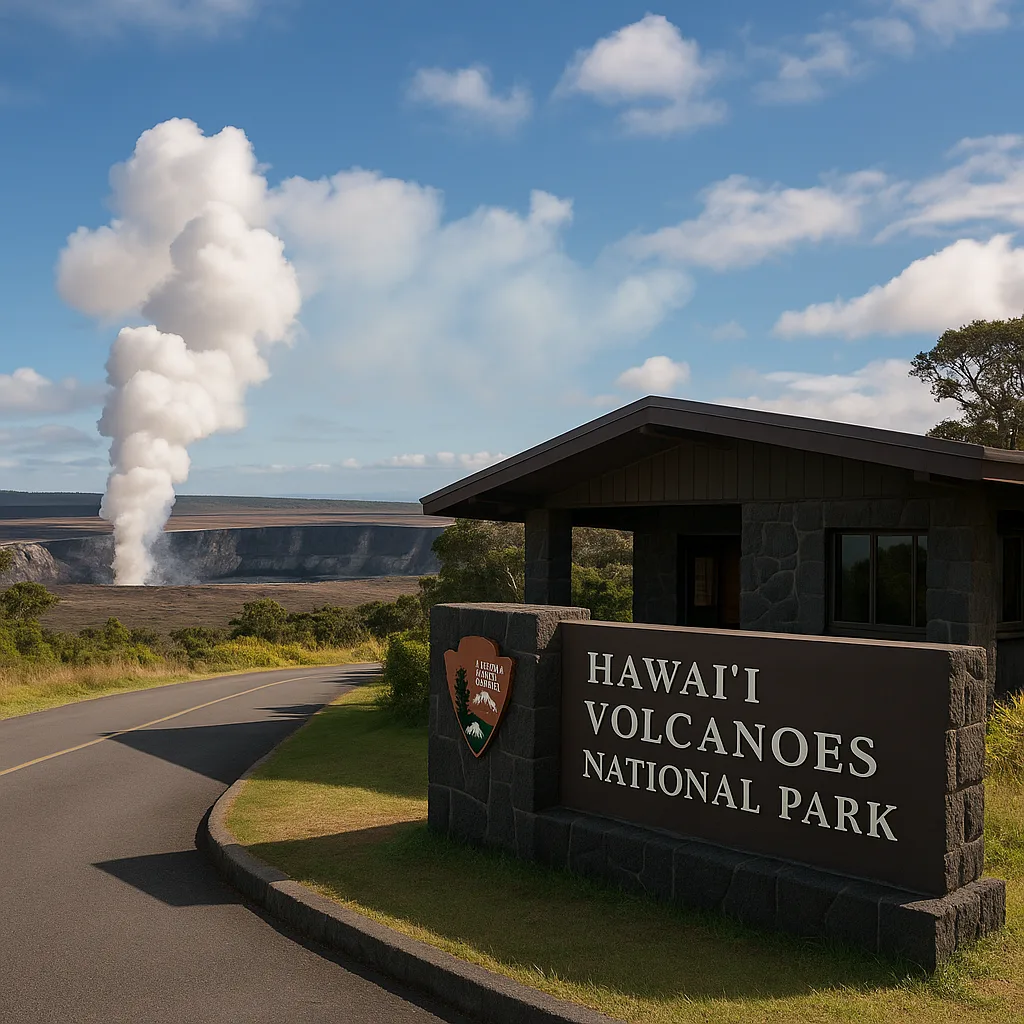
Hawaiʻi Volcanoes National Park
Open 24 hours a day and $30 per vehicle, the park is the reason most people come. Kīlauea has erupted from Halemaʻumaʻu crater more than 50 times since December 2024, in episodes separated by pauses of days or weeks, so check the park's eruption page and webcams the morning you go. The Crater Rim Drive West overlooks (Kīlauea Overlook, Uēkahuna) give the widest views; Crater Rim Drive East reaches the Kīlauea Iki crater-floor trail, the Nāhuku lava tube and the start of Chain of Craters Road, which drops 19 miles to the sea at Hōlei Sea Arch.
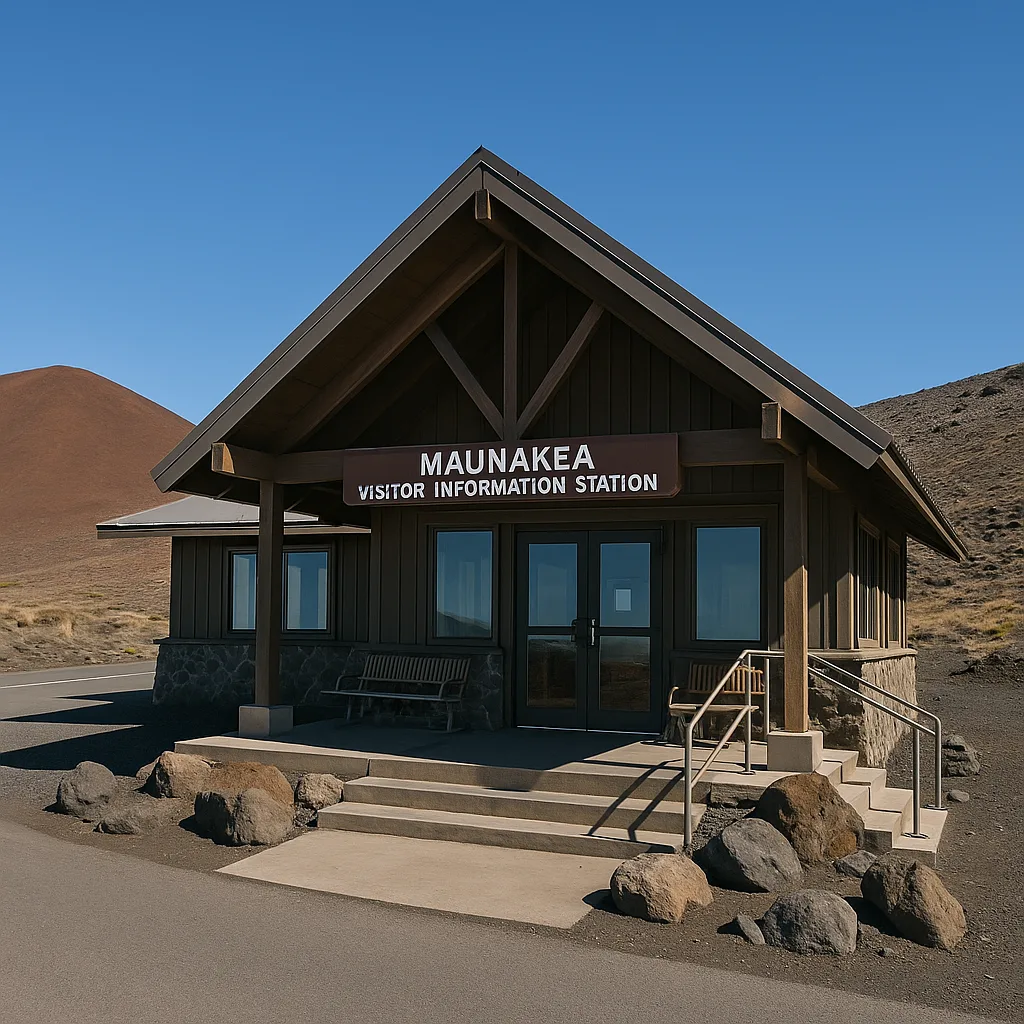
Maunakea Visitor Information Station
At 9,200 feet on the Maunakea Access Road, the visitor station is open 9am to 9pm and is the stargazing spot for anyone without a 4WD: the sky above the cloud layer is among the darkest on Earth. Stop for at least 30 minutes to acclimatize before going higher. The summit road is 4x4 only, opens 30 minutes before sunrise and closes 30 minutes after sunset, and most rental contracts forbid it. Bring winter layers; it is often near freezing after dark, even in July.
Manta Ray Night Snorkel
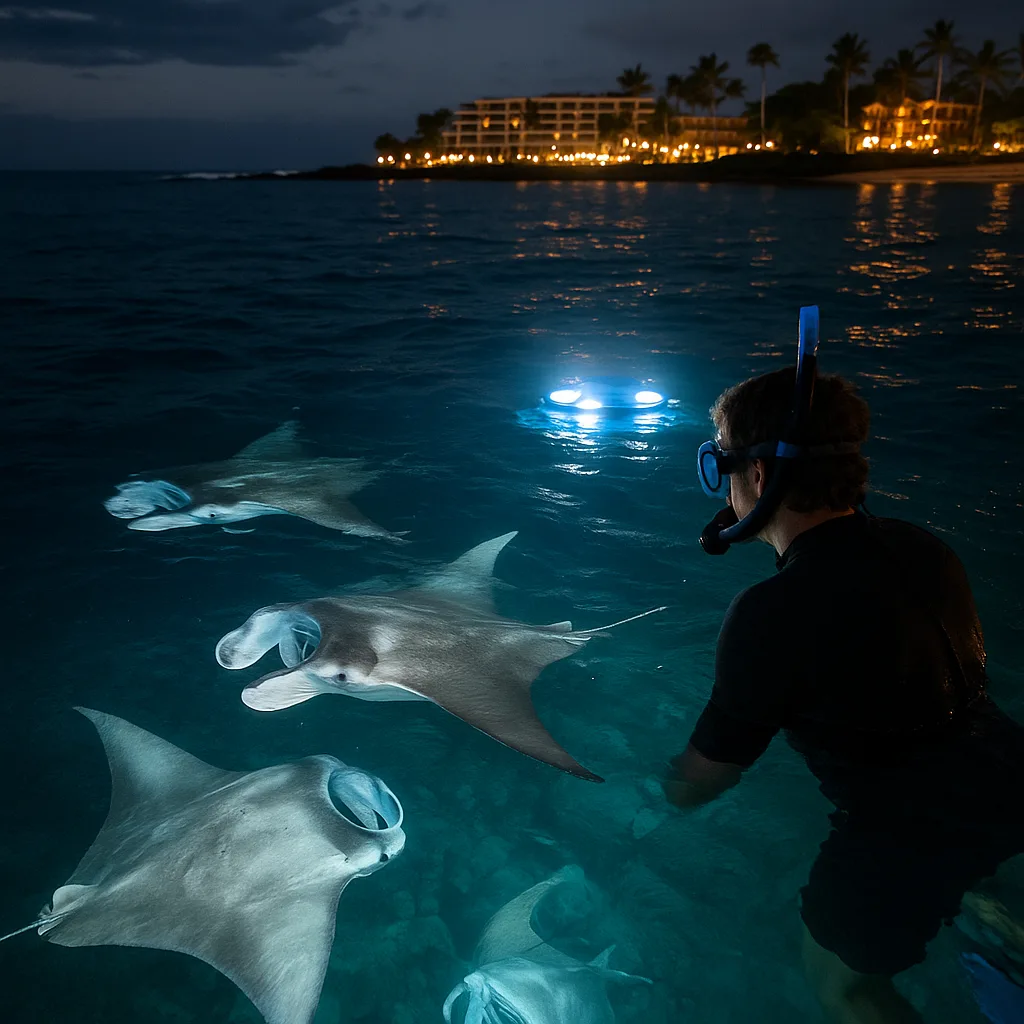
Just after sunset, boats from Keauhou Bay and Honokōhau Harbor anchor over Keauhou's 'Manta Village' and Makako Bay's 'Manta Heaven' near the airport, switch on lights and let you float on a lit board while reef mantas with 12-foot wingspans barrel-roll inches below. Tours run $120 to $180, sightings are frequent but never guaranteed, and the good operators sell out a week or more ahead.
Waipiʻo Valley Lookout
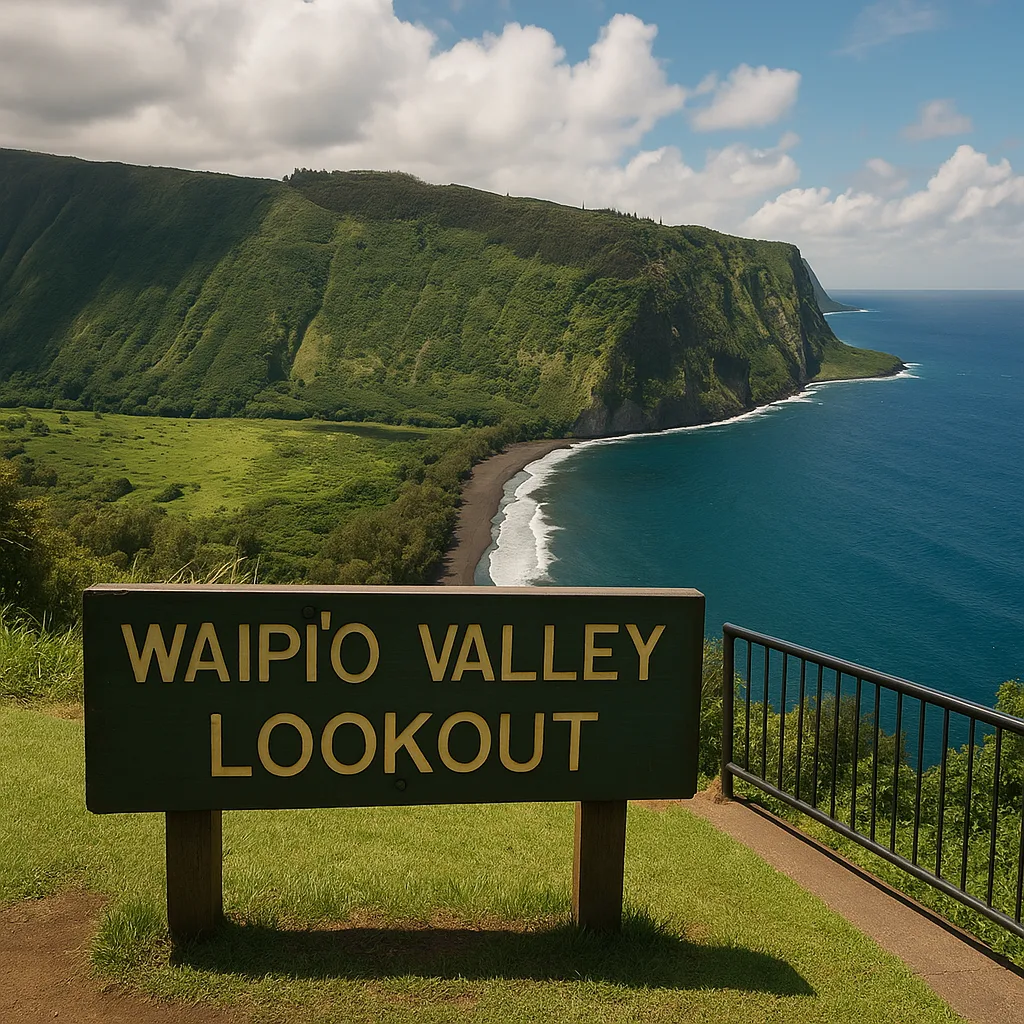
At the end of Highway 240 past Honokaʻa, the lookout stares down 2,000-foot cliffs into a taro-farmed valley that once held the royal court of Hawaiʻi. The steep road to the valley floor is open only to island residents, county-permitted tour operators and Native Hawaiian cultural practitioners, so plan on the lookout itself or a licensed shuttle or mule tour rather than a self-guided descent.
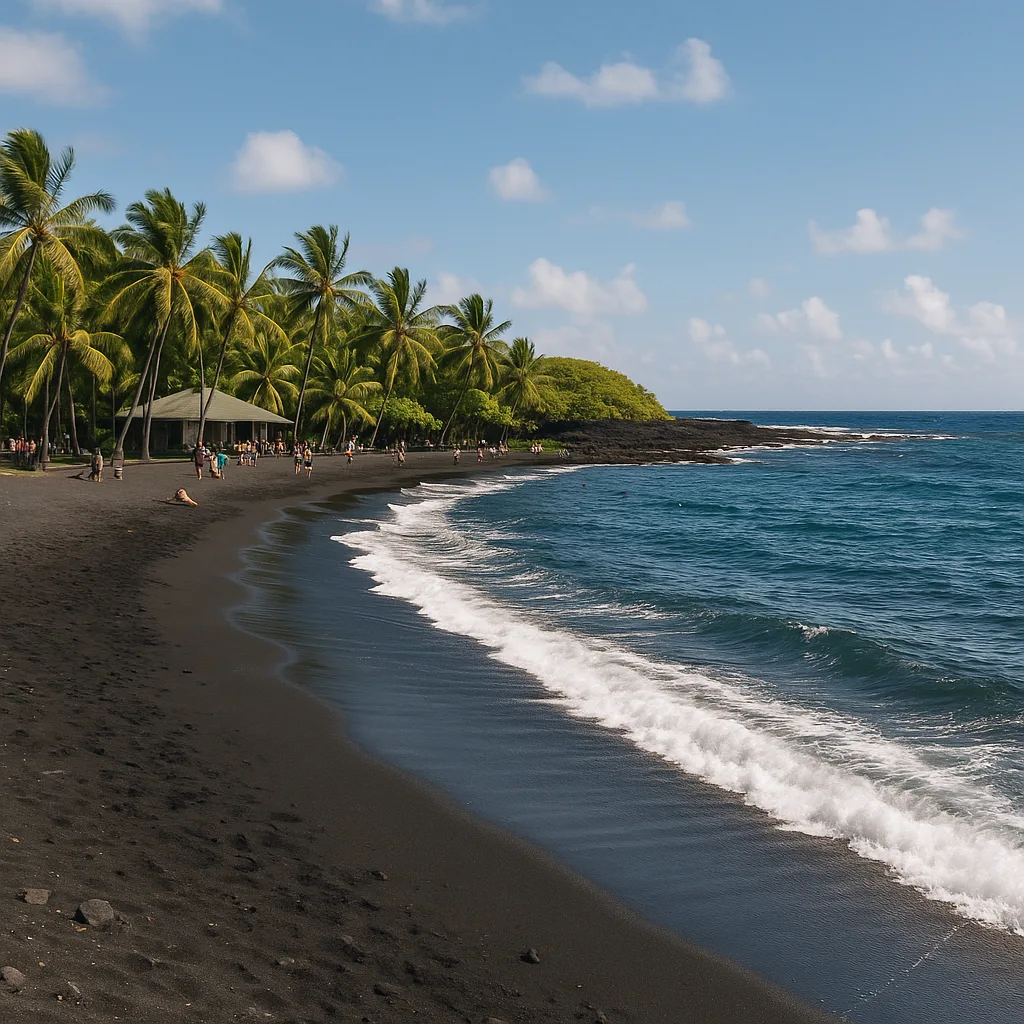
Punaluʻu Black Sand Beach
In the Kaʻū district between Volcano and Nāʻālehu, this jet-black beach is where green sea turtles (honu) and the rarer hawksbill haul out to rest in the afternoon sun. Keep at least 10 feet away, never touch or block one, and treat the water with respect: the currents are strong and the swimming is secondary to the setting.
Kealakekua Bay and Puʻuhonua o Hōnaunau
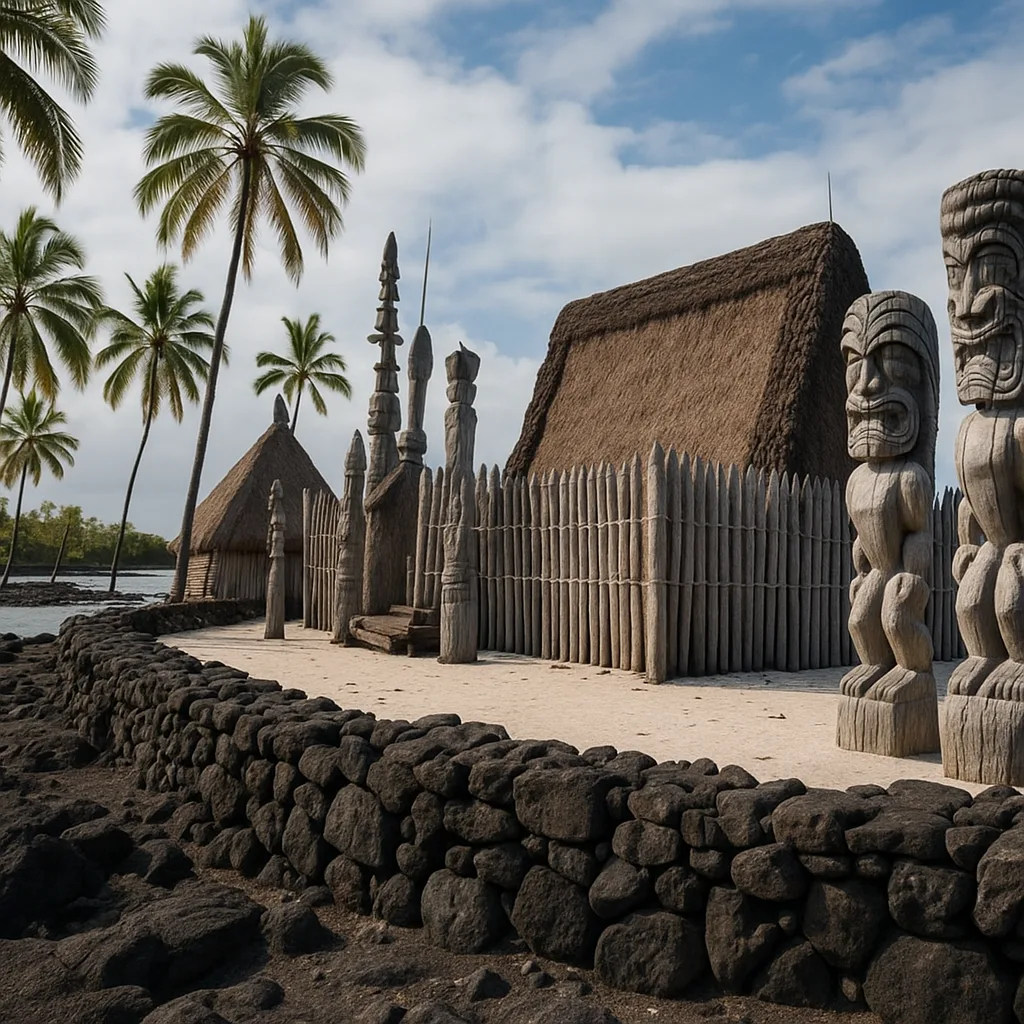
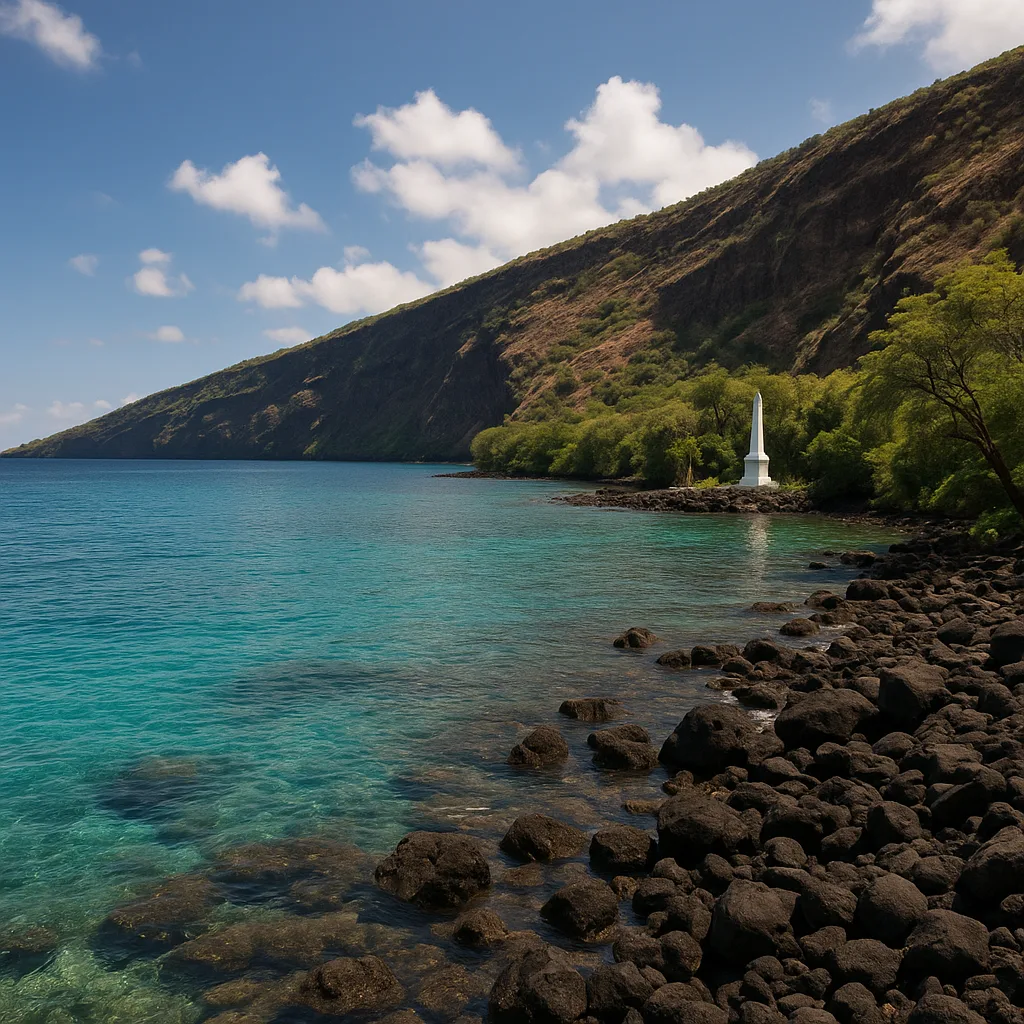
Kealakekua Bay, where Captain Cook died in 1779, is a marine reserve with the clearest water on the island; reach the Cook Monument snorkel spot on a permitted kayak or morning boat tour. Ten minutes south, Puʻuhonua o Hōnaunau National Historical Park preserves the Place of Refuge with carved kiʻi and a royal fishpond, and the lava shelf next door, Two Step, is the easiest shore snorkel on the coast.
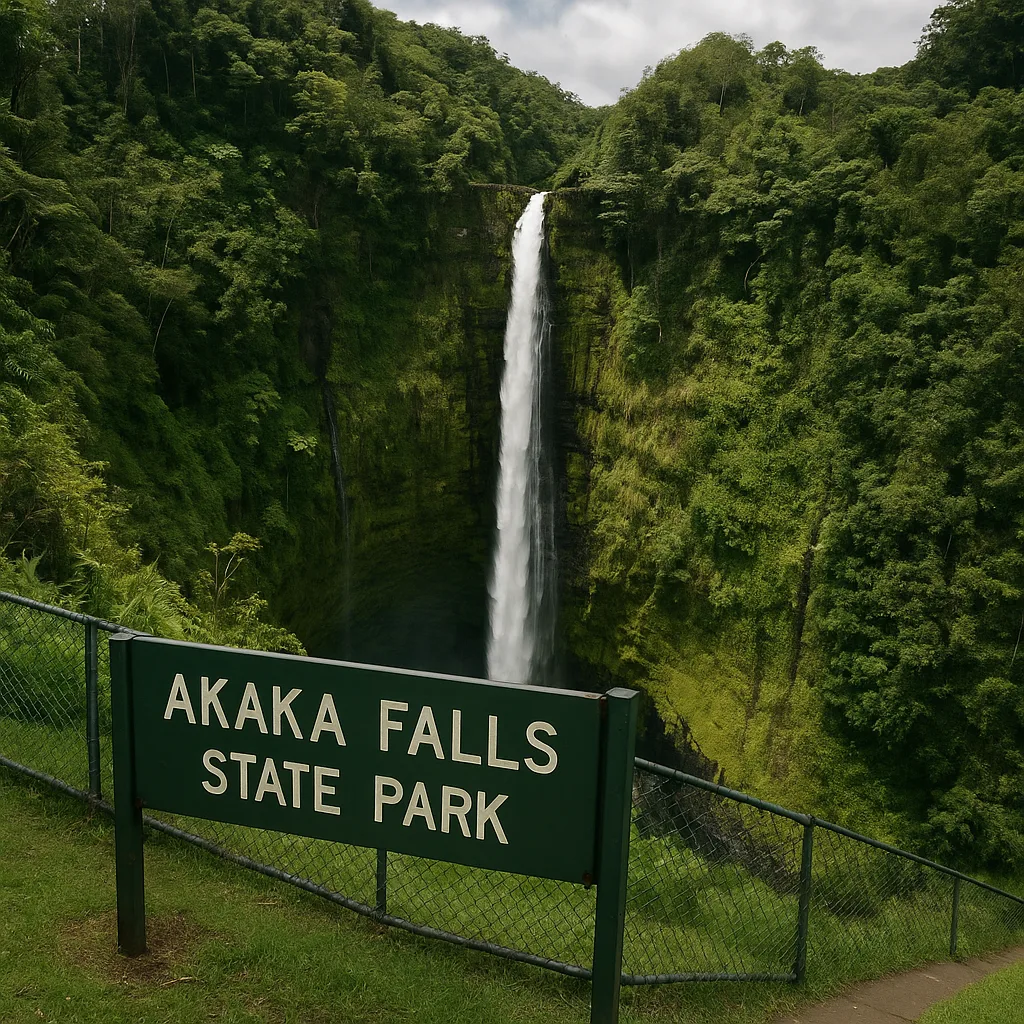
ʻAkaka Falls State Park
Eleven miles north of Hilo, a paved 0.4-mile loop through bamboo and wild ginger ends at a 442-foot free-falling ribbon of water. It takes half an hour and pairs with the Hāmākua coast drive north to Honokaʻa and Waipiʻo. Out-of-state visitors pay a small entry and parking fee.
Kohala Coast Beaches
The island's best swimming sand is on the northwest coast: Hāpuna Beach, half a mile of white sand with lifeguards, Kaunaʻoa (Mauna Kea Beach) with a small daily allotment of public parking passes, and quieter Waialea (Beach 69). Continue north on Highway 270 to the Pololū Valley Lookout, where the road simply ends above a black-sand cove.
Best Neighborhoods in Big Island
Kailua-Kona
The west-side town and the most practical base: Aliʻi Drive runs along the seawall past Huliheʻe Palace, Mokuaikaua Church, poke shops and sunset bars, and Keauhou Bay's manta boats are ten minutes south. Above town, Hōlualoa is the heart of the Kona coffee belt, with farm tours and galleries.
Kohala Coast
The resort strip north of the airport: Waikoloa, Mauna Lani and Mauna Kea Beach, where the big hotels sit on the sunniest, driest coast in Hawaiʻi with petroglyph fields and fishponds between them. Waimea, the cowboy town in the cool uplands behind, has the island's best farm restaurants.
Hilo
The old plantation capital on the rainy east side: the Hilo Farmers Market (biggest on Wednesdays and Saturdays), Liliʻuokalani Gardens, Rainbow Falls, Banyan Drive hotels and a downtown of wooden storefronts. It is the cheapest place to sleep on the island and 45 minutes from the volcano.
Volcano Village
A rainforest village at 3,700 feet, a few minutes from the national park entrance, with B&Bs, cottages, a winery and cool, misty nights. Staying here is what lets you see the Halemaʻumaʻu glow after dark without a two-hour drive home.
Kaʻū
The island's rural south: Pāhala and the Kaʻū Coffee Mill, the Punaluʻu black sand beach, Nāʻālehu (the southernmost town in the United States) and the windswept green-sand country beyond South Point. Kaʻū coffee has beaten Kona in cupping competitions and costs less at the source.
What to Eat in Big Island
- Kona coffee on a farm tour in Hōlualoa
- Kaʻū coffee at the Kaʻū Coffee Mill in Pāhala
- Poke bowls from Da Poke Shack in Kailua-Kona
- Loco moco at Café 100 in Hilo, its birthplace
- Malasadas from Tex Drive-In in Honokaʻa
- Sweetbread from Punaluʻu Bake Shop in Nāʻālehu
- Lilikoʻi, apple bananas and papaya from the Hilo Farmers Market
Best Time to Visit Big Island
The Kona side is dry and sunny year-round, while Hilo gets rain most days (usually short showers). April to May and September to October bring the lowest prices and thinnest crowds; December to April adds humpback whales offshore and snow on Maunakea. Two events fill hotels: Merrie Monarch hula week in Hilo (the week after Easter) and the Ironman race in Kailua-Kona in October in the years it is held there. The volcano is unpredictable in every season, so build your itinerary around the sights that are always there and treat an eruption as a bonus.
Getting to and Around Big Island
Ellison Onizuka Kona International Airport (KOA) sits on the lava fields 7 miles north of Kailua-Kona: a taxi or rideshare is $30–$45 into town and $50–$80 to the Kohala Coast resorts, and the rental-car lots are a short shuttle from the terminal. Hilo International (ITO) is 2 miles from downtown Hilo, $15–$20 by taxi. Rent a car at whichever airport you land at, $55–$100 a day for a standard car and more for a 4WD, which you only need if you intend to drive the summit road on Maunakea (and most rental contracts forbid that anyway). The county Hele-On bus costs $2 but runs a handful of times a day and is not built for sightseeing. Drive times are the whole plan: Kailua-Kona to Hilo across the Saddle Road (Daniel K. Inouye Highway, Route 200) is about 1 hour 30 minutes to 1 hour 45 minutes, with no fuel between Waikoloa and Hilo; Kona to Hawaiʻi Volcanoes National Park via Highway 11 south is 2 to 2.5 hours; Hilo to the park is 45 minutes; the Kohala resorts to Kailua-Kona is 30–40 minutes; Kailua-Kona to Kealakekua Bay is 30 minutes; and the Maunakea Access Road turnoff is about 45 minutes from Hilo and 1 hour 15 minutes from Kona. A full circuit of the island is roughly 220 miles and five hours of driving before you stop anywhere.
Where to Stay in Big Island
Split your nights between the two coasts. The Kohala Coast resorts (Waikoloa, Mauna Lani, Mauna Kea Beach) sit on the sunniest sand with rooms at $450–$900 and up, plus resort fees of $35–$50 and paid parking; Waikoloa condos with kitchens run $250–$400 and suit families. Kailua-Kona is the mid-range base, with hotels and condos along Aliʻi Drive at $180–$350, older motels and hostels at $90–$150, the manta boats and Kealakekua Bay within 20 minutes, and Hōlualoa's coffee-country B&Bs at $180–$300 a few minutes uphill in cooler air. For the volcano, Volcano Village's rainforest cottages and B&Bs at $150–$280 put you five minutes from the park gate and let you return for the Halemaʻumaʻu glow after dinner; bring a jacket, since nights at 3,700 feet are cool. Hilo's Banyan Drive hotels at $150–$250 are the cheapest beds on the island and the right base for the waterfalls, the farmers market and a Maunakea stargazing evening. Three nights west and two east is the classic pattern for a five-night trip. Book Hilo months ahead for Merrie Monarch week, and confirm that any vacation rental carries a county permit number.
3 Days in Big Island: A Sample Itinerary
Every stop below is one of the places named in this guide. Use it as a starting point, or let the planner build a version around your dates, pace and budget.
Day 1: Kona coffee, Kealakekua Bay and the manta rays
Morning: Puʻuhonua o Hōnaunau
A 9am Kona coffee farm tour in Hōlualoa, then 25 minutes south to Puʻuhonua o Hōnaunau to walk the Place of Refuge before it heats up and snorkel from the Two Step lava shelf next door, where dolphins sometimes rest in the bay.
Afternoon: Kealakekua Bay
Poke bowls from Da Poke Shack back in Kailua-Kona, then either a permitted kayak or afternoon boat tour to the Captain Cook Monument at Kealakekua Bay, or an easier hour on Aliʻi Drive with Huliheʻe Palace and a swim at Magic Sands.
Evening: Manta Ray Night Snorkel
Check in at Keauhou Bay about an hour before sunset for the Manta Ray Night Snorkel; the boats are back by 8:30pm, in time for a late dinner on the Kailua-Kona seawall.
Day 2: Waipiʻo, the Hāmākua coast, Hilo and Maunakea stars
Morning: Waipiʻo Valley Lookout
Leave Kona by 8am through Waimea to Honokaʻa for malasadas from Tex Drive-In, and be at the Waipiʻo Valley Lookout by 10am while the cliffs are still clear of cloud.
Afternoon: ʻAkaka Falls State Park
Drive the Hāmākua coast south to ʻAkaka Falls State Park, then into Hilo for the Hilo Farmers Market, Rainbow Falls and a loco moco at Café 100. Check into a Hilo or Volcano Village room.
Evening: Maunakea Visitor Information Station
Take the Saddle Road 45 minutes up to the Maunakea Visitor Information Station before dark, spend 30 minutes acclimatizing at 9,200 feet, and stay for the stars until it closes at 9pm. Wear every layer you packed.
Day 3: Kīlauea, Kaʻū coffee and the black sand beach
Morning: Hawaiʻi Volcanoes National Park
Check the Hawaiʻi Volcanoes National Park webcams over breakfast, then drive Crater Rim Drive West to the Kīlauea Overlook and Uēkahuna, and hike the 4-mile Kīlauea Iki loop across the 1959 crater floor or walk through the Nāhuku lava tube if you want something shorter.
Afternoon: Punaluʻu Black Sand Beach
Drive Chain of Craters Road 19 miles down to Hōlei Sea Arch and back, then continue south on Highway 11 to the Kaʻū Coffee Mill in Pāhala for a tasting, Punaluʻu Black Sand Beach for the resting turtles, and sweetbread from Punaluʻu Bake Shop in Nāʻālehu.
Evening: Volcano Village
If Kīlauea is erupting, return to the park after dark (it never closes) for the glow from the Crater Rim Drive overlooks; otherwise have dinner in Volcano Village and either sleep there or make the 2-hour drive back to Kona.
Plan this trip — get a personalized day-by-day Big Island itinerary with drive times, restaurant picks and a packing list.
Big Island Travel Tips
- Rent a car for the whole trip — the island is 4,028 square miles, the county Hele-On bus is infrequent, and nothing worth seeing is walkable from anywhere else
- Fly into the side you will sleep on: Kona (KOA) for the west coast, Hilo (ITO) for the volcano; an open-jaw ticket saves a two-hour drive each way
- Check the Hawaiʻi Volcanoes National Park eruption page and USGS webcams the morning you visit — Kīlauea's activity is episodic and pauses can last weeks
- Respect kapu (keep out) signs and closures, give sea turtles at least 10 feet and monk seals 50, and use reef-safe sunscreen, which state law requires
- Pack for four climates in one day: sun on the coast, rain in Hilo, and near-freezing wind at the Maunakea visitor station after dark; vog (volcanic haze) settles on the Kona side when trade winds drop
Big Island FAQ
When is the best time to visit Big Island?
The Kona side is dry and sunny year-round, while Hilo gets rain most days (usually short showers). April to May and September to October bring the lowest prices and thinnest crowds; December to April adds humpback whales offshore and snow on Maunakea. Two events fill hotels: Merrie Monarch hula week in Hilo (the week after Easter) and the Ironman race in Kailua-Kona in October in the years it is held there. The volcano is unpredictable in every season, so build your itinerary around the sights that are always there and treat an eruption as a bonus.
How much does a day in Big Island cost?
Plan on an average daily budget of $150–$300/day in Big Island. The local currency is the US Dollar ($).
How do I get around Big Island?
Rent a car for the whole trip — the island is 4,028 square miles, the county Hele-On bus is infrequent, and nothing worth seeing is walkable from anywhere else. Fly into the side you will sleep on: Kona (KOA) for the west coast, Hilo (ITO) for the volcano; an open-jaw ticket saves a two-hour drive each way.
What should I know about safety and etiquette in Big Island?
Respect kapu (keep out) signs and closures, give sea turtles at least 10 feet and monk seals 50, and use reef-safe sunscreen, which state law requires.
What are the top things to do in Big Island?
Top attractions in Big Island include Hawaiʻi Volcanoes National Park, Maunakea Visitor Information Station, Manta Ray Night Snorkel, Waipiʻo Valley Lookout and Punaluʻu Black Sand Beach. Big Island is best for volcanoes, snorkeling, stargazing and road trips.