Things to Do in Florence, Italy
The Cradle of the Renaissance — Art, Wine, and Tuscan Beauty
- Average daily budget
- $90–$160/day
- Currency
- Euro (€)
- Language
- Italian
- Best for
- Art, History, Food, Wine
About Florence
Florence is the birthplace of the Renaissance — a compact, walkable city of extraordinary density where Michelangelo's David, Botticelli's Birth of Venus, Brunelleschi's Duomo, and Ghiberti's Gates of Paradise all sit within a 20-minute stroll of each other. The capital of Tuscany manages to be simultaneously one of the world's great art cities and one of Italy's greatest food destinations, with bistecca alla Fiorentina, hand-rolled pappardelle, truffles, and Chianti Classico wines all originating in this golden corner of central Italy.
Top Attractions in Florence
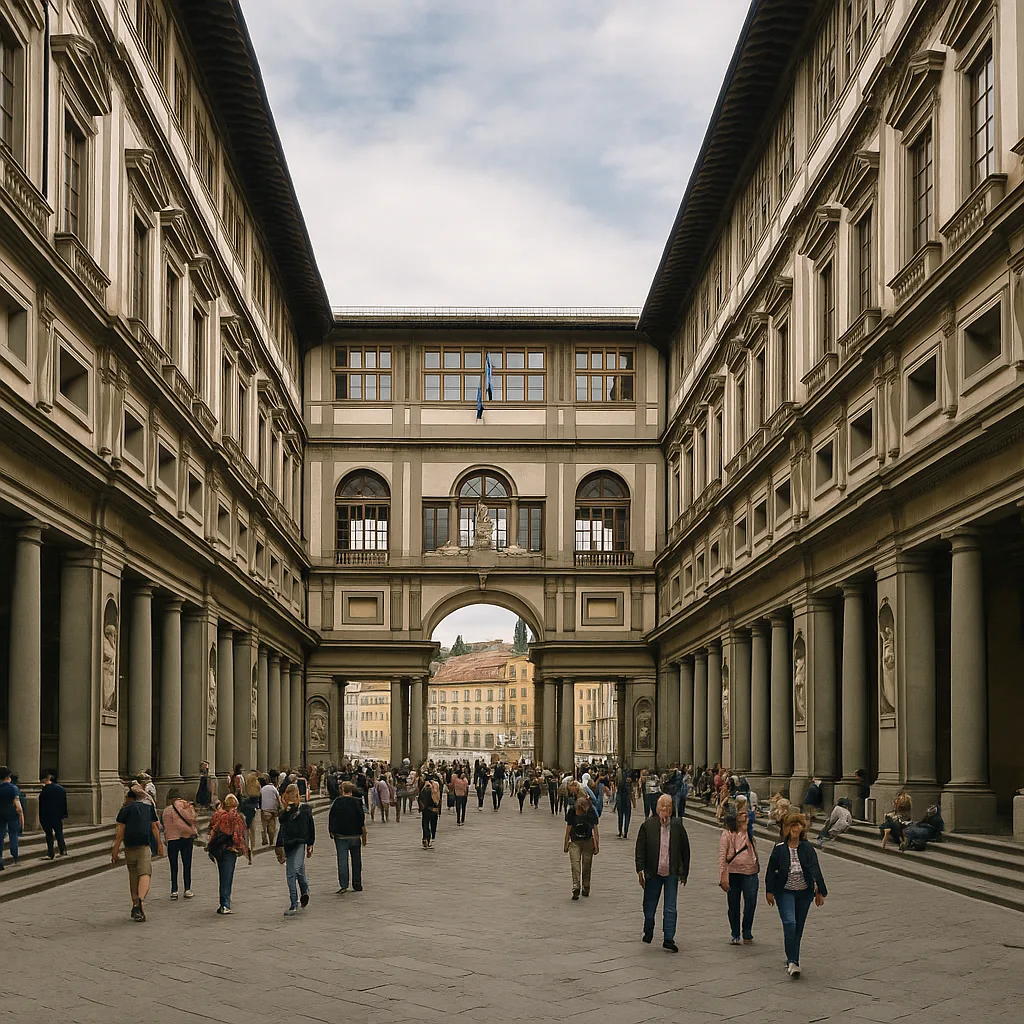
Uffizi Gallery
One of the world's greatest art museums contains the most important collection of Italian Renaissance paintings anywhere — Botticelli, Leonardo, Raphael, Michelangelo, Titian, and Caravaggio under one roof. Pre-book timed tickets.
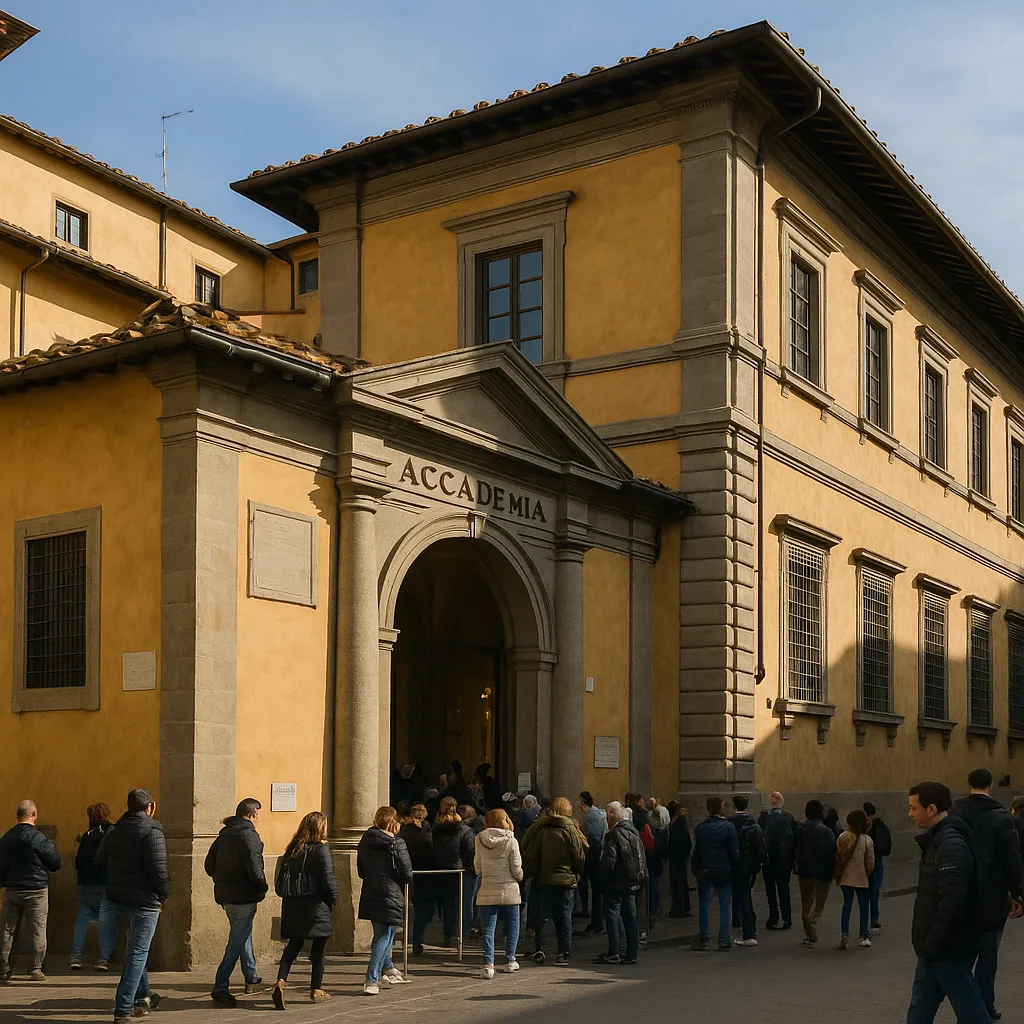
Michelangelo's David (Accademia Gallery)
The world's most famous sculpture stands 5.17 meters tall in a purpose-built rotunda at the Accademia. The perfection of the marble carving must be seen in person — book tickets in advance.
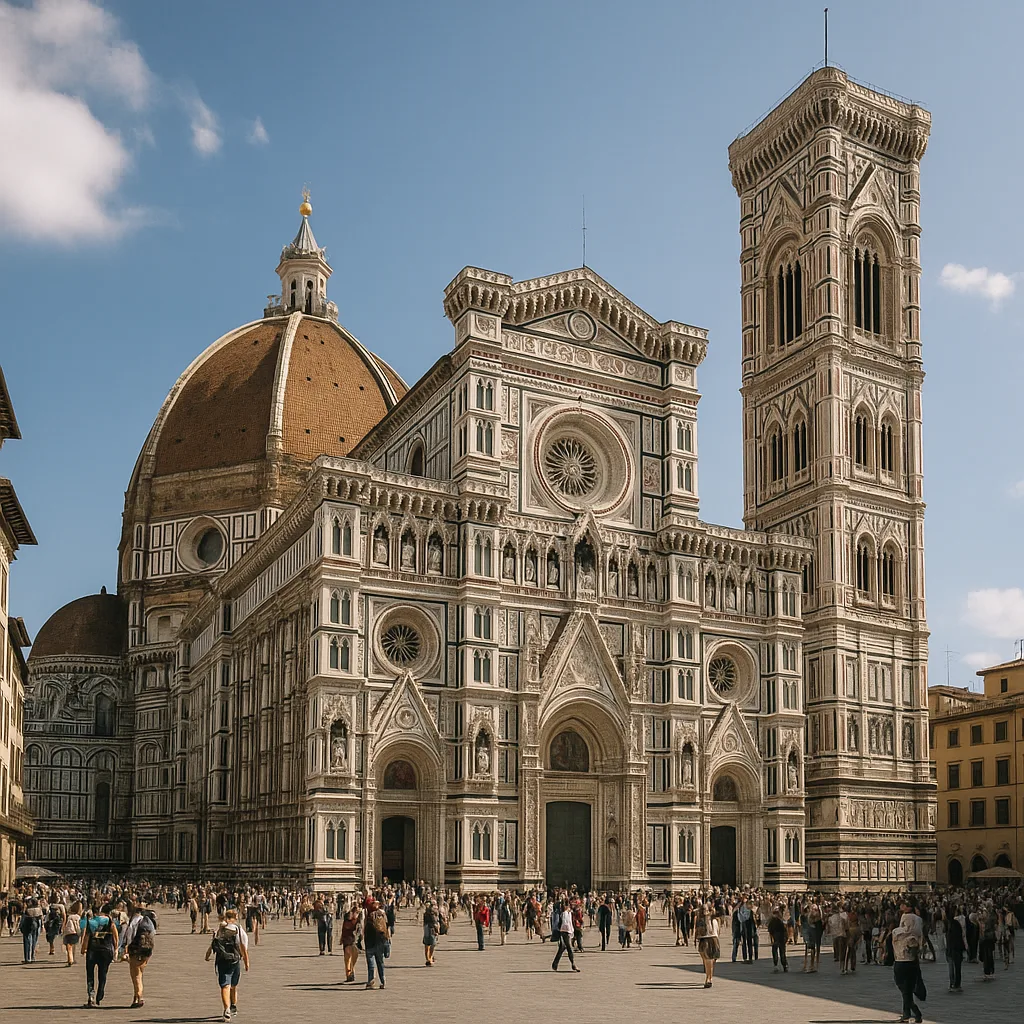
Florence Cathedral (Duomo)
Brunelleschi's dome — the largest brick dome in history and one of architecture's greatest achievements — dominates Florence's skyline. Climb to the top for panoramic city views, and don't miss the Baptistery's golden mosaics.
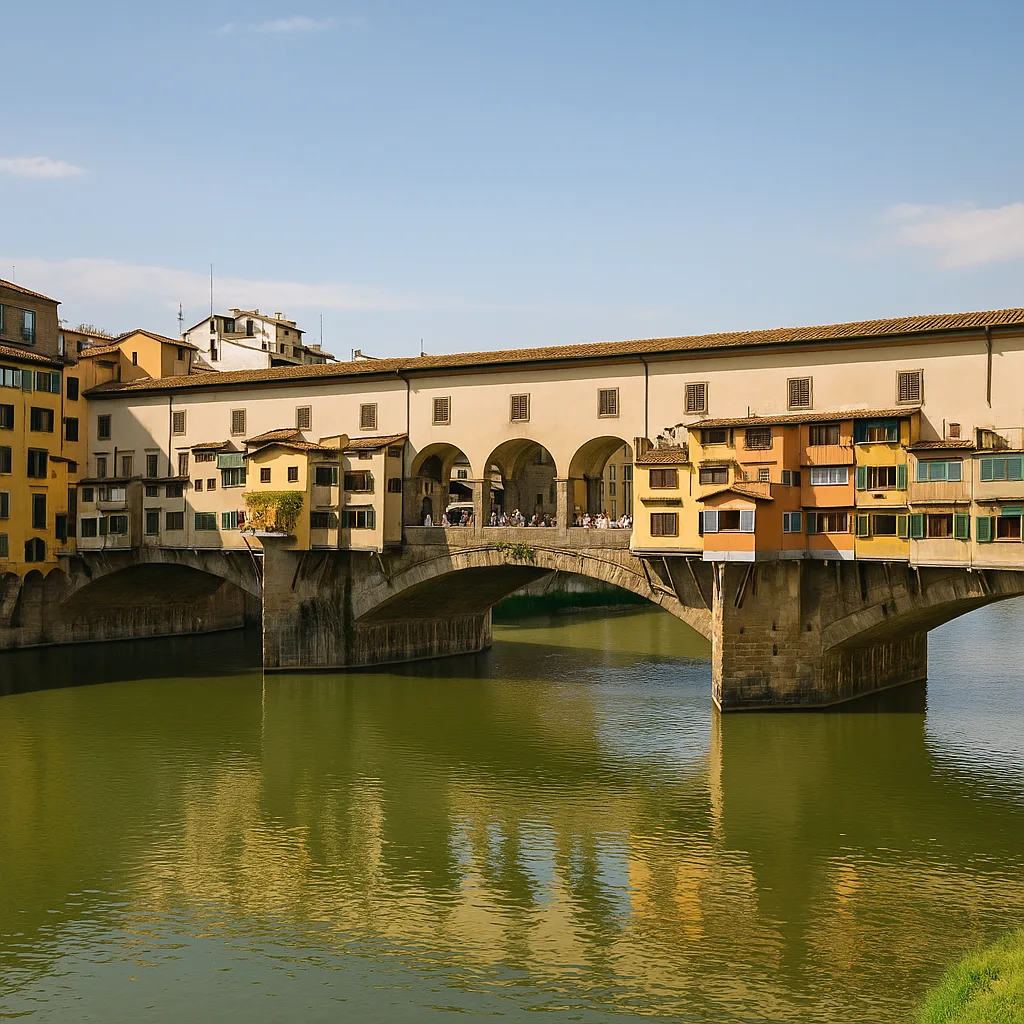
Ponte Vecchio
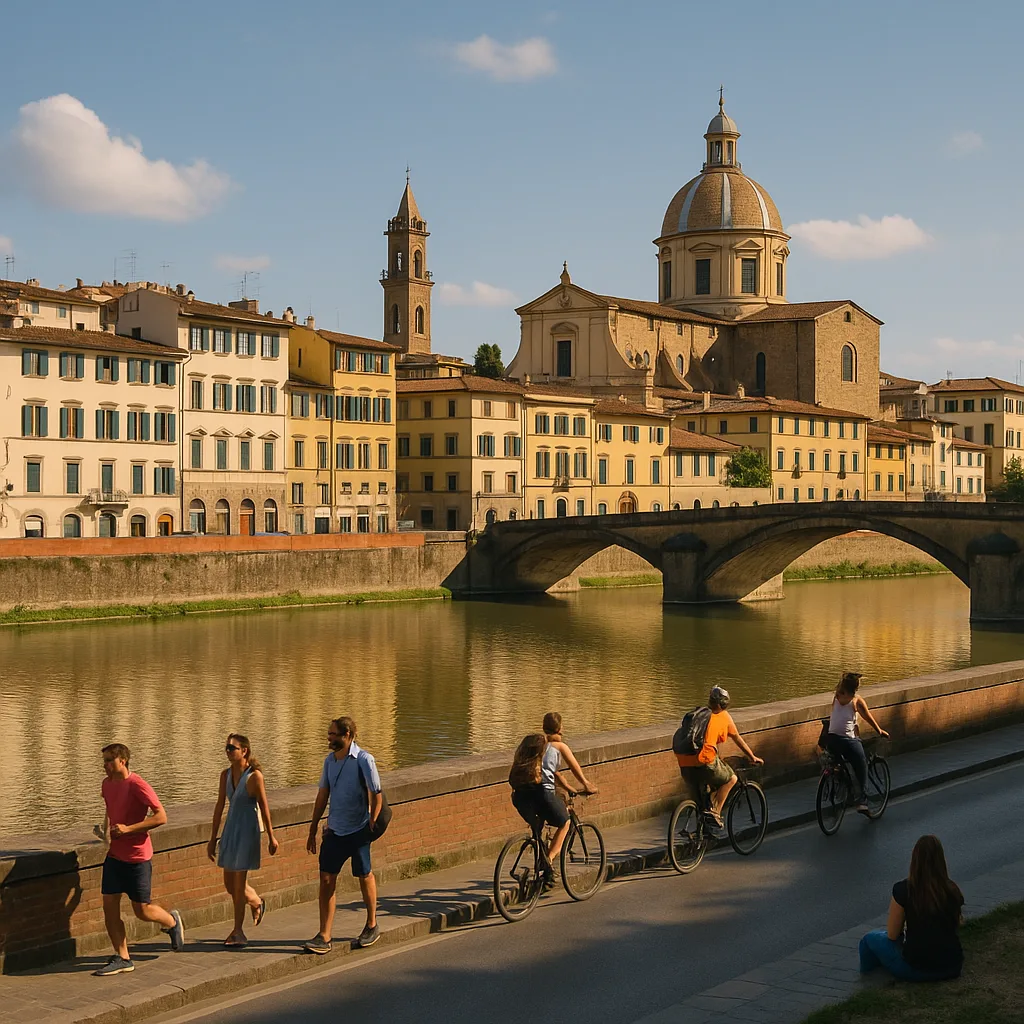
The oldest bridge in Florence (dating to 1345) is lined with goldsmith and jeweler shops — a tradition since the Medici expelled butchers from the bridge in the 16th century. Sunset from here is spectacular.
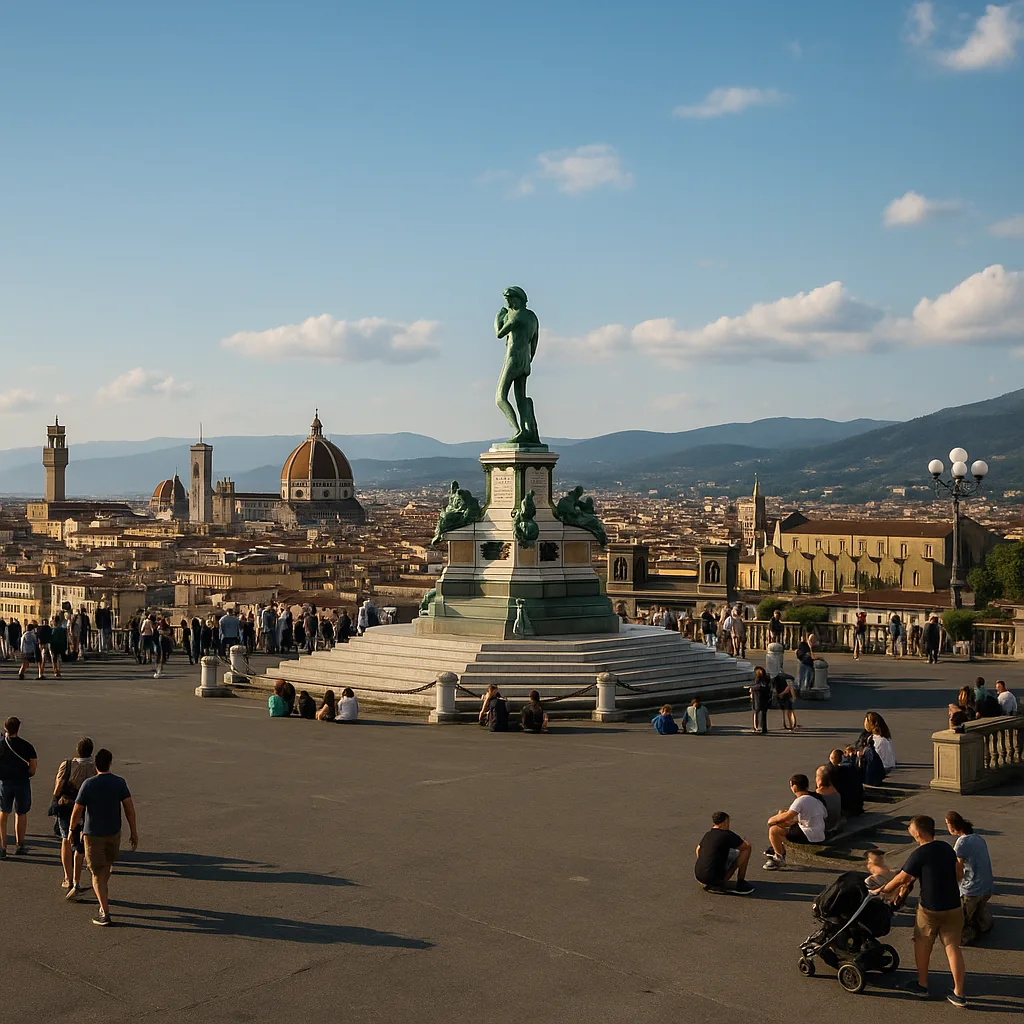
Piazzale Michelangelo
The panoramic terrace on Florence's south bank offers the most photogenic view of the city and the Arno River. Best at golden hour and sunset — bring a bottle of wine from a nearby enoteca.
Boboli Gardens
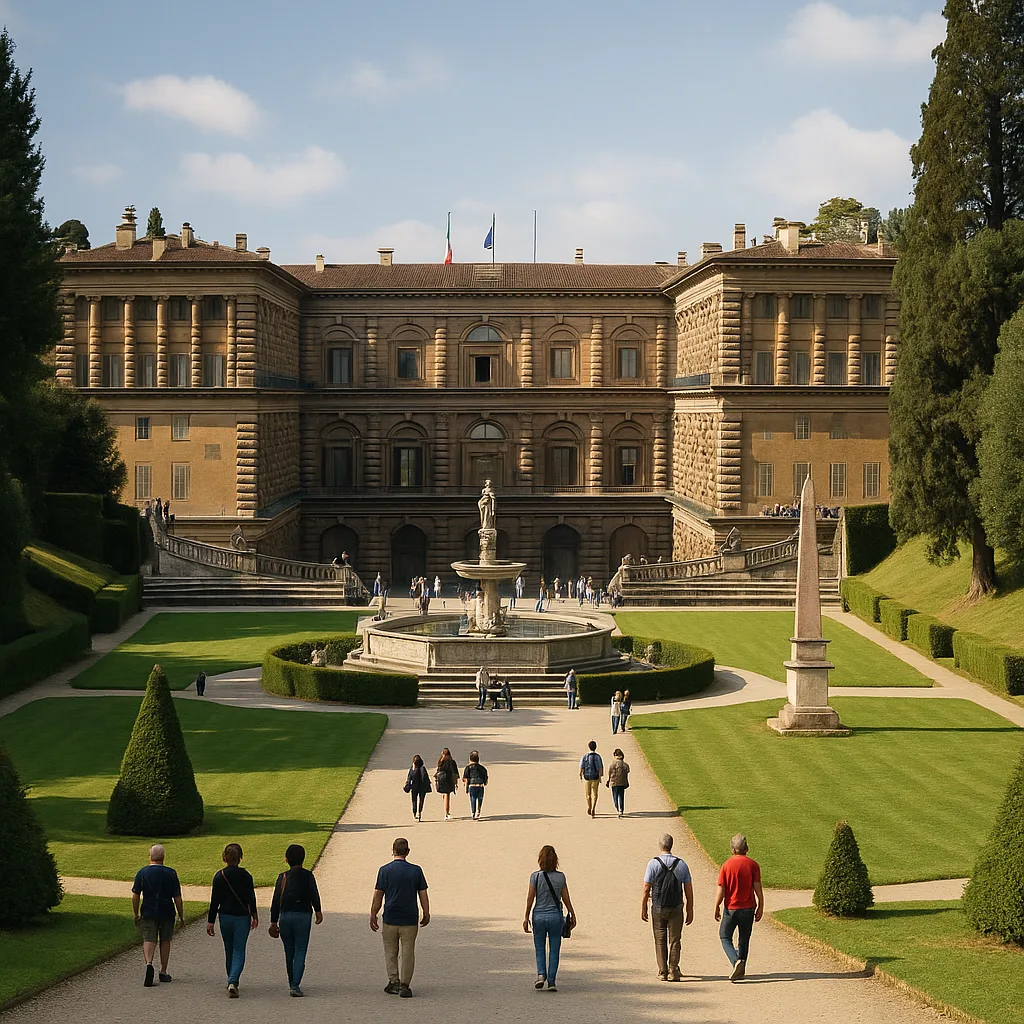
The formal Renaissance gardens behind the Pitti Palace cover 11 acres with fountains, grottos, classical sculptures, and panoramic views — a perfect afternoon retreat from the museum circuit.
Best Neighborhoods in Florence
Oltrarno
The 'other side' of the Arno is Florence's most authentic district — artisan workshops, antique dealers, excellent trattorias, and fewer tourists than the north bank.
Santa Croce
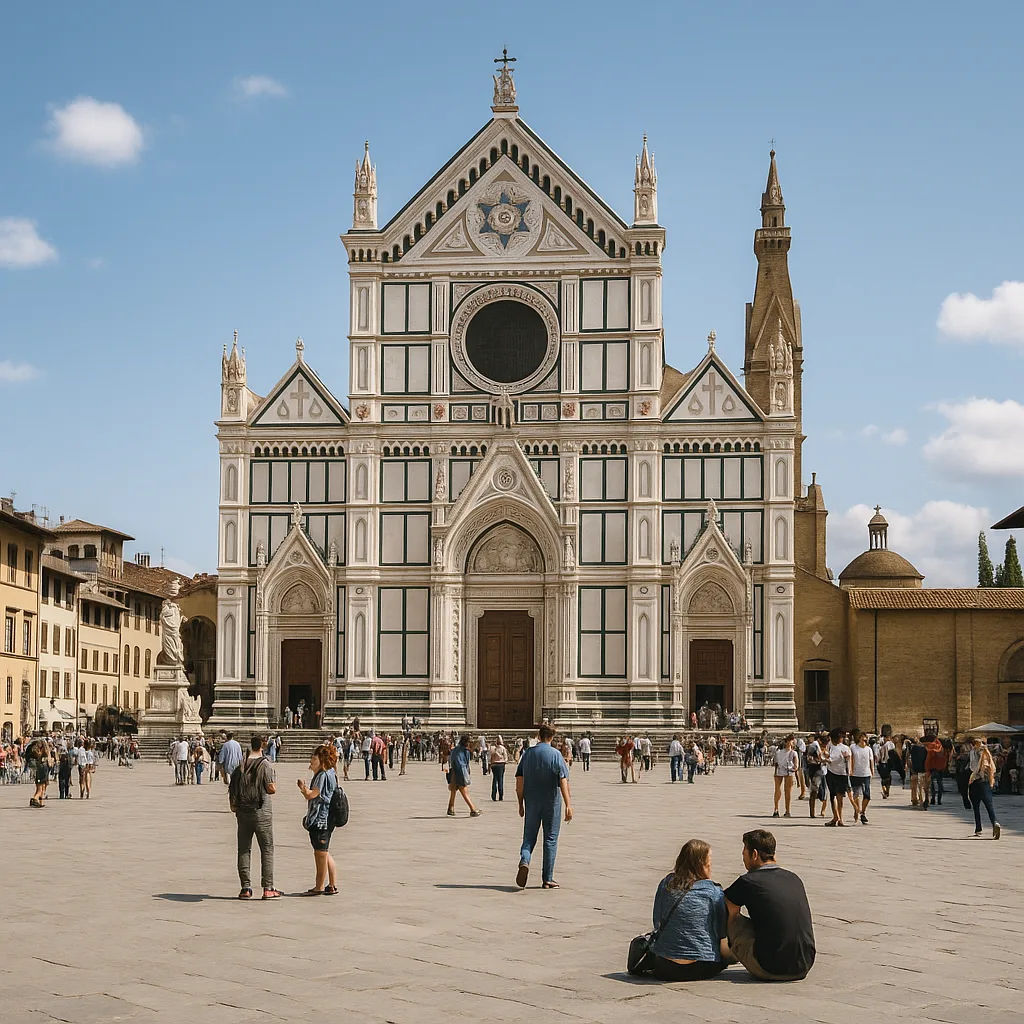
The neighborhood around the Basilica of Santa Croce (where Michelangelo and Galileo are buried) has excellent leather shops, local bars, and the atmospheric Piazza dei Ciompi flea market.
What to Eat in Florence
- Bistecca alla Fiorentina (Florentine T-bone steak) at Buca dell'Orafo
- Lampredotto (tripe sandwich) from a street cart — the real Florentine fast food
- Pappardelle al cinghiale (wild boar pasta)
- Gelato from Gelateria dei Neri or Vivoli
- Cantucci e Vin Santo (almond biscuits dipped in dessert wine)
- Chianti Classico wine tasting in Greve
Best Time to Visit Florence
April to June and September to October offer ideal weather and manageable crowds. July and August are very hot (35°C+) and extremely crowded — the Uffizi line can be 3+ hours without advance tickets. Christmas through February offers quiet, cold Florence with excellent hotel deals.
Getting to and Around Florence
Florence's Peretola airport (FLR) is 6 km from the centre: the T2 tram reaches Santa Maria Novella station in 20 minutes for €1.70, running every 5 minutes until after midnight, and a taxi is a fixed €25 (€27 at night and on holidays). Pisa airport (PSA) is the bigger gateway: the PisaMover shuttle to Pisa Centrale plus a regional train gets you to Florence in about 75 minutes for around €15, and the Autostradale coach is about €11. High-speed Frecciarossa and Italo trains from Rome (1.5 hours), Milan (under 2 hours) and Venice (2 hours) arrive at Santa Maria Novella, ten minutes on foot from the Duomo. Once there you will barely use transport: the historic centre is a ZTL closed to unauthorised cars, and the Duomo, the Uffizi, Ponte Vecchio, Santa Croce and the Accademia are all within 10–15 minutes of each other on foot. City buses and the trams cost €1.70 for 90 minutes (buy tickets in the at bus app or at tobacconists, or tap a contactless card on the tram), and the C2 and C4 minibuses thread the pedestrian streets; bus 12 or 13 climbs to Piazzale Michelangelo, though the 20-minute walk up from the San Niccolò gate is nicer. Taxis do not stop when hailed; call 055 4390 or use the itTaxi app, and expect €10–€15 for a cross-town ride. Buses to Siena (Autolinee Toscane 131, 75 minutes) and Greve in Chianti (bus 365), and trains to Pisa, Lucca and Bologna, all leave from around Santa Maria Novella. Renting a car makes sense only for the day you leave the city; €100-plus ZTL fines arrive months later by post.
Where to Stay in Florence
The centro storico between the Duomo and the Arno is the obvious choice and the most expensive: three-star hotels at €150–€250 a night in April–June and September–October, boutique palazzi at €300–€600, and noisy around Via de' Neri until 1am. Santa Croce, five minutes east, is slightly cheaper (€120–€200) with the leather school, the Sant'Ambrogio market and the best neighbourhood trattorias, and it is where Florentines eat. The Oltrarno, across the river around Santo Spirito and San Frediano, is the pick for a second visit: artisan workshops, the Boboli Gardens and Piazzale Michelangelo on foot, and rooms and apartments at €100–€180 in converted convents and townhouses. Around Santa Maria Novella station the hotels are practical for early trains and the Pisa airport buses, with prices from €90, though the immediate station blocks are charmless. Fiesole, 20 minutes up the hill on bus 7, has villa hotels with views and cool nights in July and August, when the city sits at 35°C. Florence charges a tourist tax of €3–€8 per person per night depending on the hotel's stars, and the city has capped new short-term rentals in the centre, so licensed apartments are fewer and book earlier. Easter week, the Pitti Uomo fashion fairs in January and June, and Christmas all sell out months ahead.
3 Days in Florence: A Sample Itinerary
Every stop below is one of the places named in this guide. Use it as a starting point, or let the planner build a version around your dates, pace and budget.
Day 1: The Duomo, the Uffizi and the Ponte Vecchio
Morning: Florence Cathedral (Duomo)
Florence Cathedral first: climb Brunelleschi's dome at your 8:15am timed slot (the Brunelleschi Pass, €30, also covers the Baptistery, Giotto's bell tower and the museum where Ghiberti's original Gates of Paradise are kept), then the Baptistery's golden mosaics next door.
Afternoon: Uffizi Gallery
A lampredotto from the street cart at the Mercato Nuovo loggia (Da Nerbone inside the Mercato Centrale is the other classic), then three hours in the Uffizi Gallery with a 2pm timed ticket (€25 in high season): Botticelli's Primavera and Birth of Venus on the second floor, Leonardo's Annunciation, and the view of the Ponte Vecchio from the corridor windows.
Evening: Ponte Vecchio
Cross the Ponte Vecchio at sunset as the goldsmiths pull down their wooden shutters, then bistecca alla Fiorentina, sold by weight and served rare, at Buca dell'Orafo beside the bridge (book), and a gelato from Gelateria dei Neri on the walk home.
Day 2: David, San Lorenzo and the Oltrarno
Morning: Michelangelo's David (Accademia Gallery)
The Accademia at its 8:15am opening for Michelangelo's David (€16; book the first slot, and give the unfinished Prisoners in the corridor their due), then the Medici Chapels at San Lorenzo and a coffee among the stalls of the Mercato Centrale.
Afternoon: Boboli Gardens
Cross the Arno to the Oltrarno: the Pitti Palace's Palatine Gallery or straight into the Boboli Gardens (€10) for the amphitheatre, the grotto and the view from the Kaffeehaus terrace, then the artisan workshops around Piazza Santo Spirito.
Evening: Oltrarno
Aperitivo on Piazza Santo Spirito, then pappardelle al cinghiale at a trattoria in the Oltrarno's San Frediano quarter, where Florentines still outnumber visitors on a weeknight.
Day 3: Santa Croce, Chianti and Piazzale Michelangelo
Morning: Santa Croce
The Basilica of Santa Croce at 9:30am for the tombs of Michelangelo, Galileo and Machiavelli and Giotto's frescoes (€8), then the leather school behind the apse and a wander through the Sant'Ambrogio market for cheese and cantucci.
Afternoon: Greve in Chianti
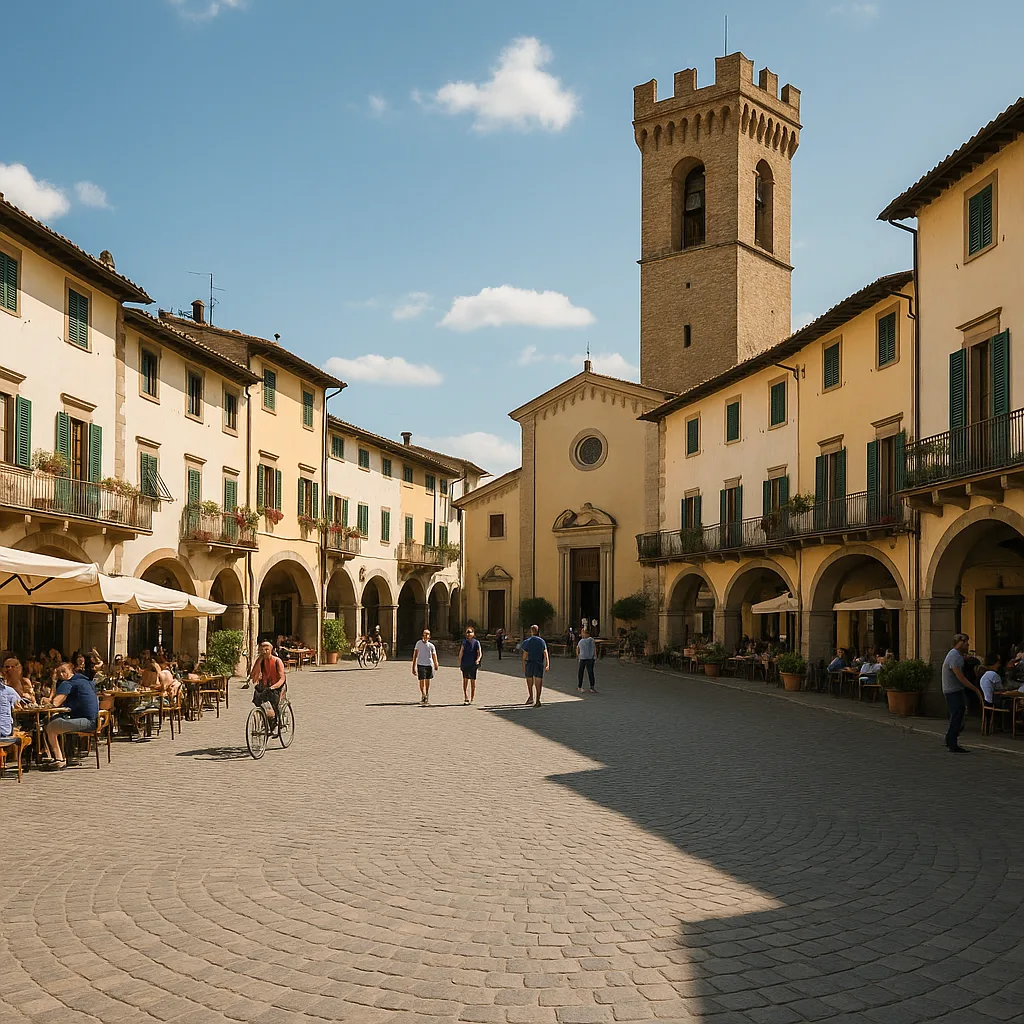
Bus 365 or a hire car south into Chianti: a tasting and lunch at a winery near Greve in Chianti (Castello di Verrazzano and Vignamaggio take bookings), and back in Florence by 5pm.
Evening: Piazzale Michelangelo
Walk up from the San Niccolò gate to Piazzale Michelangelo for sunset over the Duomo, with a bottle from an enoteca in San Niccolò, then cantucci e Vin Santo at a wine bar on the way down.
Plan this trip — get a personalized day-by-day Florence itinerary with drive times, restaurant picks and a packing list.
Florence Travel Tips
- Pre-book the Uffizi, Accademia (David), and Duomo dome tickets at least 2–3 weeks in advance
- Florence is entirely walkable — the historic center is a UNESCO site and best explored on foot
- Visit markets: Mercato Centrale for food, Mercato di Sant'Ambrogio for local produce
- Day trips to Siena, San Gimignano, and Chianti vineyards are easy by bus from Santa Maria Novella station
- Trattorie in Oltrarno serve better food at lower prices than restaurants near the Duomo
Florence FAQ
When is the best time to visit Florence?
April to June and September to October offer ideal weather and manageable crowds. July and August are very hot (35°C+) and extremely crowded — the Uffizi line can be 3+ hours without advance tickets. Christmas through February offers quiet, cold Florence with excellent hotel deals.
How much does a day in Florence cost?
Plan on an average daily budget of $90–$160/day in Florence. The local currency is the Euro (€).
How do I get around Florence?
Florence is entirely walkable — the historic center is a UNESCO site and best explored on foot. Day trips to Siena, San Gimignano, and Chianti vineyards are easy by bus from Santa Maria Novella station.
What are the top things to do in Florence?
Top attractions in Florence include Uffizi Gallery, Michelangelo's David (Accademia Gallery), Florence Cathedral (Duomo), Ponte Vecchio and Piazzale Michelangelo. Florence is best for art, history, food and wine.
What should I eat in Florence?
Must-try food in Florence includes Bistecca alla Fiorentina (Florentine T-bone steak) at Buca dell'Orafo, Lampredotto (tripe sandwich) from a street cart — the real Florentine fast food, Pappardelle al cinghiale (wild boar pasta) and Gelato from Gelateria dei Neri or Vivoli.
Similar Destinations to Florence
- More in Europe → Which cities for a first trip, a 12-day London, Paris and Rome route by Eurostar and one flight, rail passes, ETIAS and Schengen rules, seasons and daily budgets.