Things to Do in Rome, Italy
The Eternal City — 2,800 Years of History Under Open Skies
- Average daily budget
- $100–$180/day
- Currency
- Euro (€)
- Language
- Italian
- Best for
- History, Art, Food, Romance
About Rome
Rome is the world's greatest open-air museum — a city where ancient ruins, Renaissance masterpieces, and Baroque fountains share space with contemporary art galleries and some of Italy's finest trattorias. Walking Rome's cobblestone streets feels like moving through layers of time, where a morning at the 2,000-year-old Colosseum flows naturally into an afternoon espresso beside a Bernini fountain. No other city packs so much history into so compact a space, and no other city wears it so effortlessly.
Top Attractions in Rome
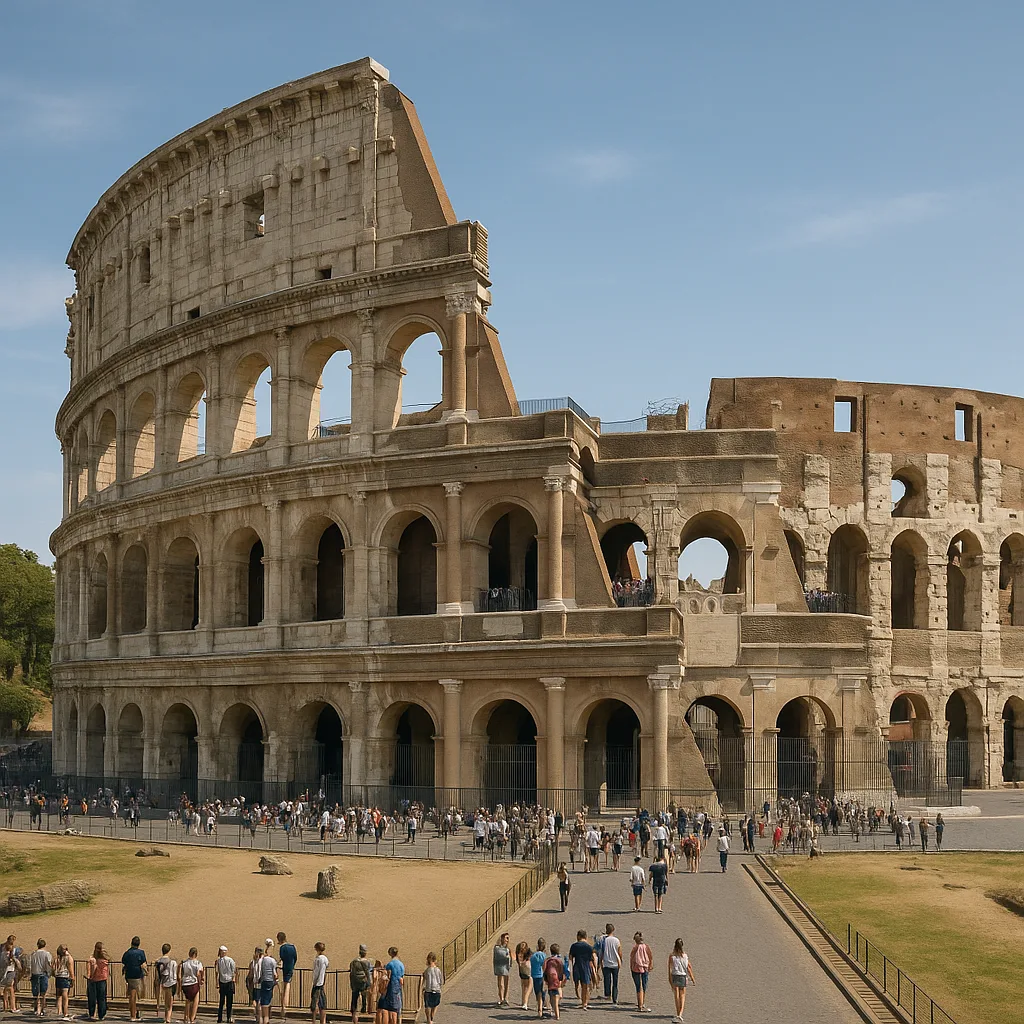
The Colosseum
The world's largest ancient amphitheater could hold 80,000 spectators when gladiatorial contests were at their peak. Book timed-entry tickets well in advance and add the underground and arena floor tour for a truly immersive experience.
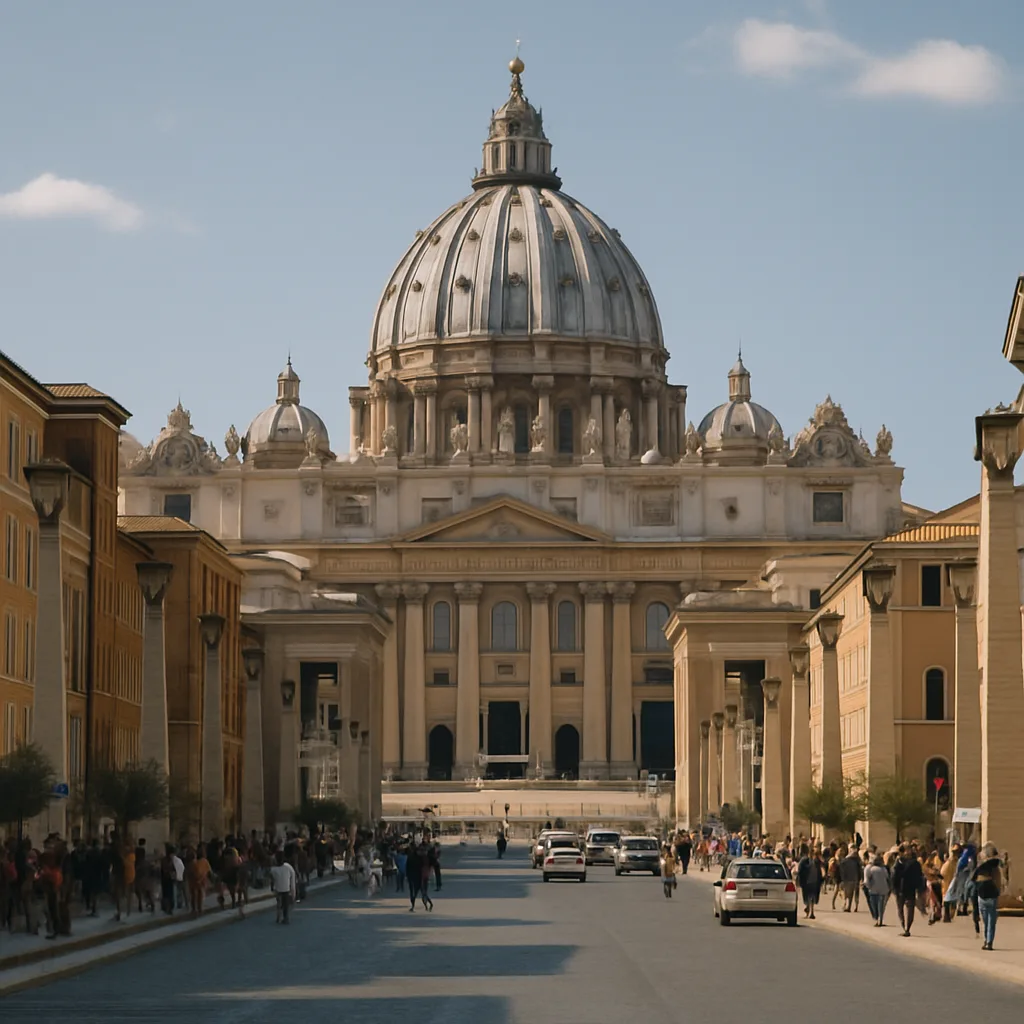
Vatican City & St. Peter's Basilica
The world's smallest sovereign state contains the greatest concentration of art in Western history. Michelangelo's Sistine Chapel ceiling is the highlight of the Vatican Museums — arrive at opening time or book an early-access tour.
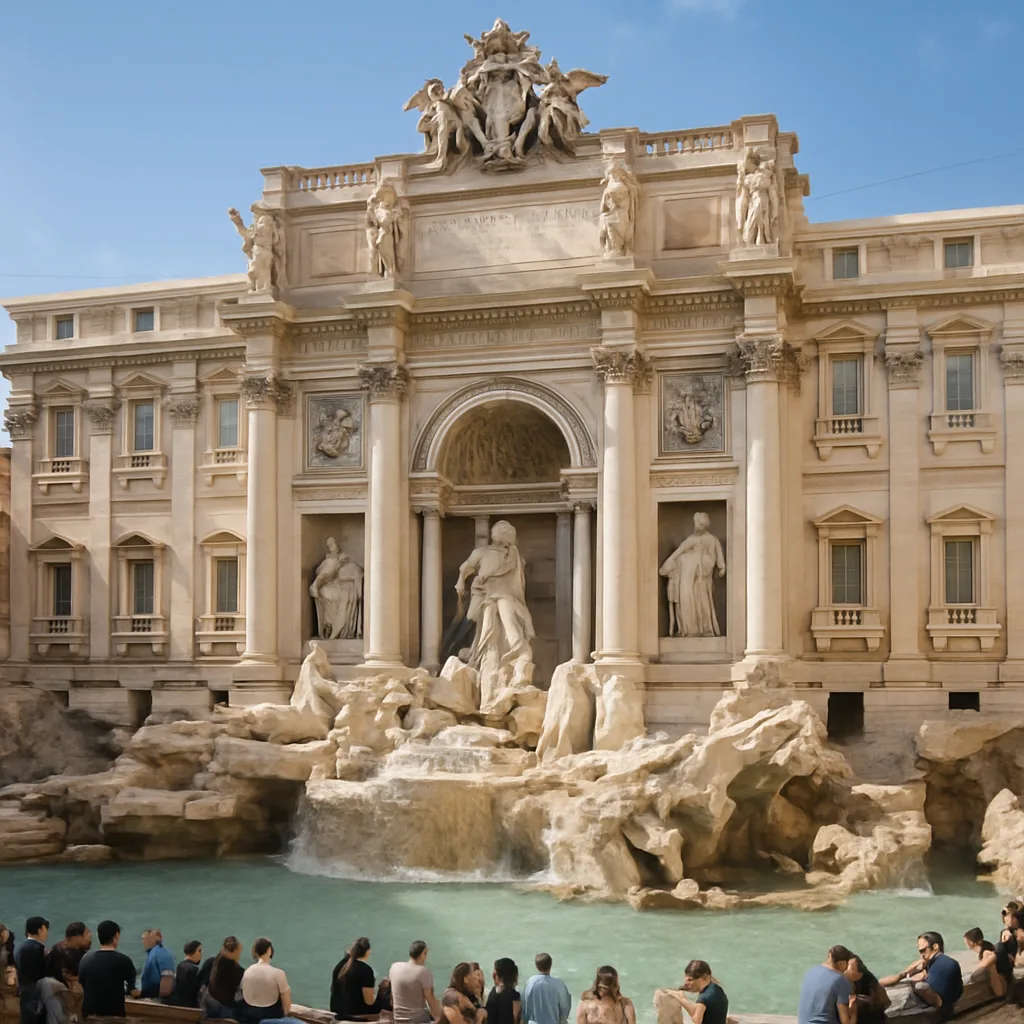
Trevi Fountain
Rome's most theatrical fountain is best experienced at dawn when you might have it almost to yourself. Toss a coin over your left shoulder with your right hand to guarantee a return to Rome.
Roman Forum & Palatine Hill
The ruins of the Roman Forum were once the beating heart of the ancient world. Combine with Palatine Hill (where Rome's wealthiest citizens lived) for an uninterrupted half-day of history.
Borghese Gallery
One of the world's great art collections, with Bernini sculptures and Raphael paintings that must be seen in person. Entry is strictly timed — book two weeks in advance or you won't get in.
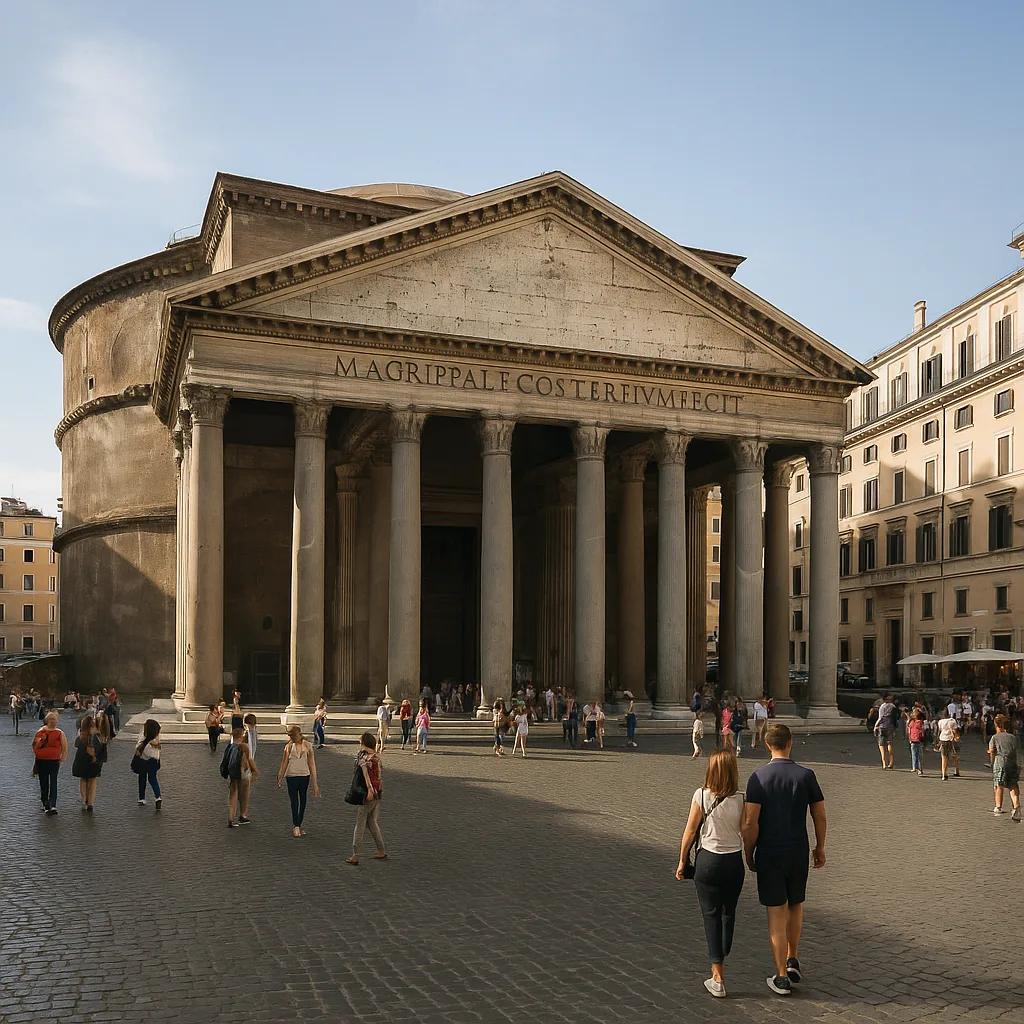
Pantheon
The best-preserved building from ancient Rome has a 2,000-year-old concrete dome that still inspires architects today. Entry is €5 (free for under-18s) and the interior is staggering in its perfection.
Best Neighborhoods in Rome
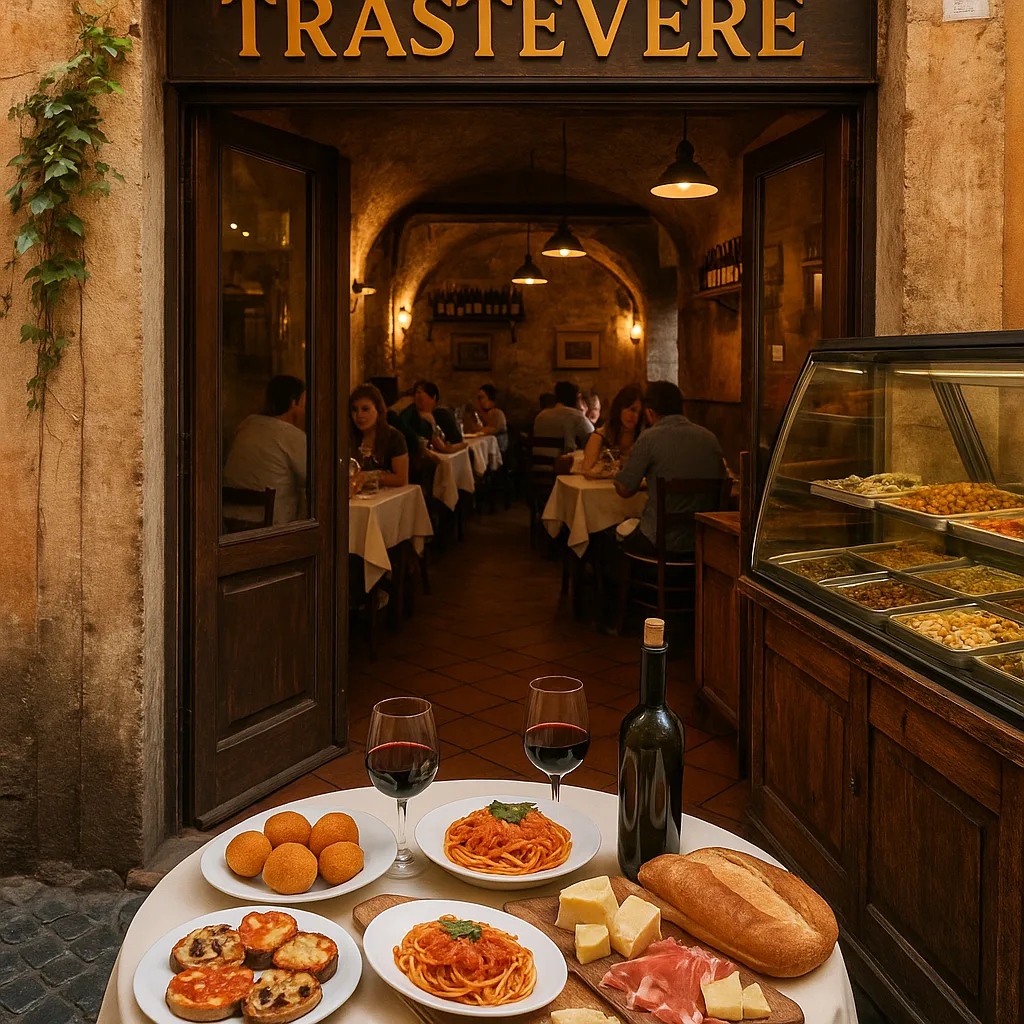
Trastevere
Rome's most atmospheric neighborhood is a tangle of ivy-covered alleys, authentic trattorias, and local bars that come alive with energy every evening. Stay here to feel like a Roman.
Testaccio
The working-class neighborhood where Roman cuisine was born, centered on the famous Testaccio Market. Try offal dishes (quinto quarto), supplì, and the city's best gelato at Fatamorgana.
Prati
Just outside the Vatican walls, Prati offers excellent mid-range restaurants, a quieter local atmosphere, and some of the best pastry shops in Rome — perfect for post-Vatican recovery.
What to Eat in Rome
- Cacio e pepe (pasta with pecorino and pepper)
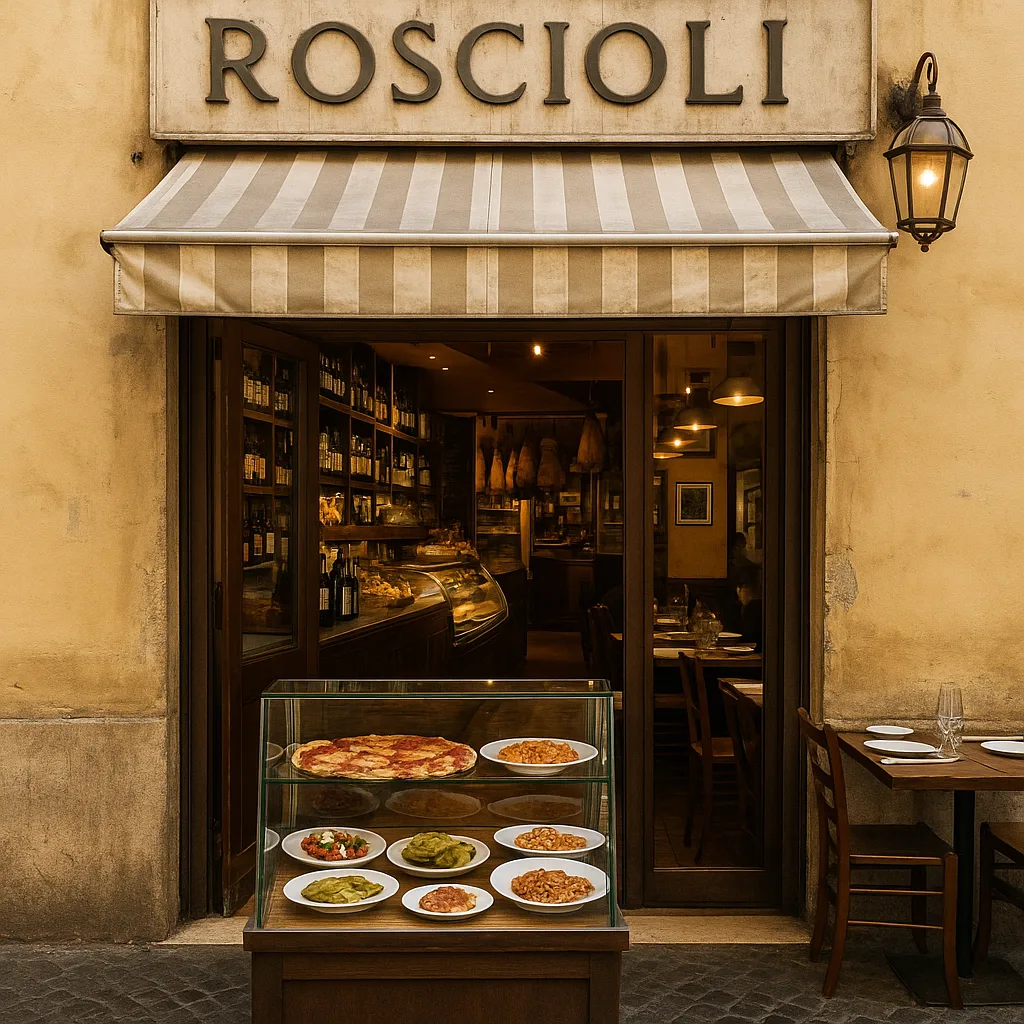
- Carbonara at Roscioli
- Suppli (fried rice balls) at Supplì Roma
- Artichoke alla Romana at Flavio al Velavevodetto
- Gelato at Giolitti
- Maritozzi (cream-filled bun) for breakfast
Best Time to Visit Rome
April, May, September, and October offer perfect weather (18–25°C) and manageable crowds. Summer (June–August) is scorching and extremely crowded at the main sites. Christmas through February is quieter but some sites have reduced hours.
Getting to and Around Rome
Fiumicino (FCO) is 30 km southwest of the centre. The non-stop Leonardo Express train reaches Termini every 15–30 minutes in 32 minutes for €14; the slower FL1 regional train is €8 and stops at Trastevere and Ostiense, useful if you are staying on that side of the river. A licensed taxi is a fixed €50 to anywhere inside the Aurelian Walls (€31 from Ciampino). The historic centre is best on foot: the Pantheon, Trevi Fountain, Piazza Navona and the Spanish Steps sit within a 20-minute walk of one another, and the sampietrini cobbles are hard on wheeled luggage. The metro has only three lines, but Line A (Vatican–Spanish Steps–Termini) and Line B (Colosseum–Termini) reach the big sights; a single ticket is €1.50 for 100 minutes, a 24-hour pass €7 and a 72-hour pass €18, all valid on buses and trams too. Tram 8 links Trastevere with Piazza Venezia. Expect to walk 12–18 km a day if you try to see everything, so comfortable shoes matter more than any pass.
Where to Stay in Rome
Stay inside the centro storico if you want to walk everywhere: the streets around the Pantheon and Campo de' Fiori have small hotels at about €150–€300 a night in April, May, September and October, rising sharply around Easter. Trastevere is the most atmospheric base, with converted-palazzo B&Bs and apartments at €120–€220, a lively evening scene and a 20-minute walk or Tram 8 ride to the centre. Prati, just north of the Vatican, is calmer and better value at €100–€180 with excellent neighbourhood restaurants and Line A on the doorstep. Monti, between the Colosseum and Termini, mixes wine bars and vintage shops with rooms at €110–€200. Testaccio is the pick for food-focused visitors and has some of the cheapest apartments in central Rome. Avoid the blocks immediately around Termini station unless price is the only concern; the area is convenient but charmless after dark. Rome adds a city tax of €4–€10 per person per night depending on the hotel category.
3 Days in Rome: A Sample Itinerary
Every stop below is one of the places named in this guide. Use it as a starting point, or let the planner build a version around your dates, pace and budget.
Day 1: Ancient Rome and Trastevere
Morning: The Colosseum
The Colosseum at the 8:30am opening slot with the arena-floor add-on, then walk under the Arch of Constantine into the Roman Forum and up Palatine Hill on the same ticket; allow three and a half hours for all three.
Afternoon: Pantheon
Lunch on cacio e pepe near Campo de' Fiori, then the Pantheon and the Trevi Fountain in the quieter mid-afternoon light, with a gelato at Giolitti between the two.
Evening: Trastevere
Cross the Tiber to Trastevere for an aperitivo on Piazza di Santa Maria and a carbonara dinner; the ivy-covered lanes are at their best after 8pm.
Day 2: The Vatican, Prati and Testaccio
Morning: Vatican City & St. Peter's Basilica
Vatican Museums at the 8am opening, Sistine Chapel first while it is still quiet, then St. Peter's Basilica and the dome climb (551 steps, or a lift plus 320).
Afternoon: Prati
Lunch at a neighbourhood trattoria in Prati, then Castel Sant'Angelo and the walk across Ponte Sant'Angelo to Piazza Navona.
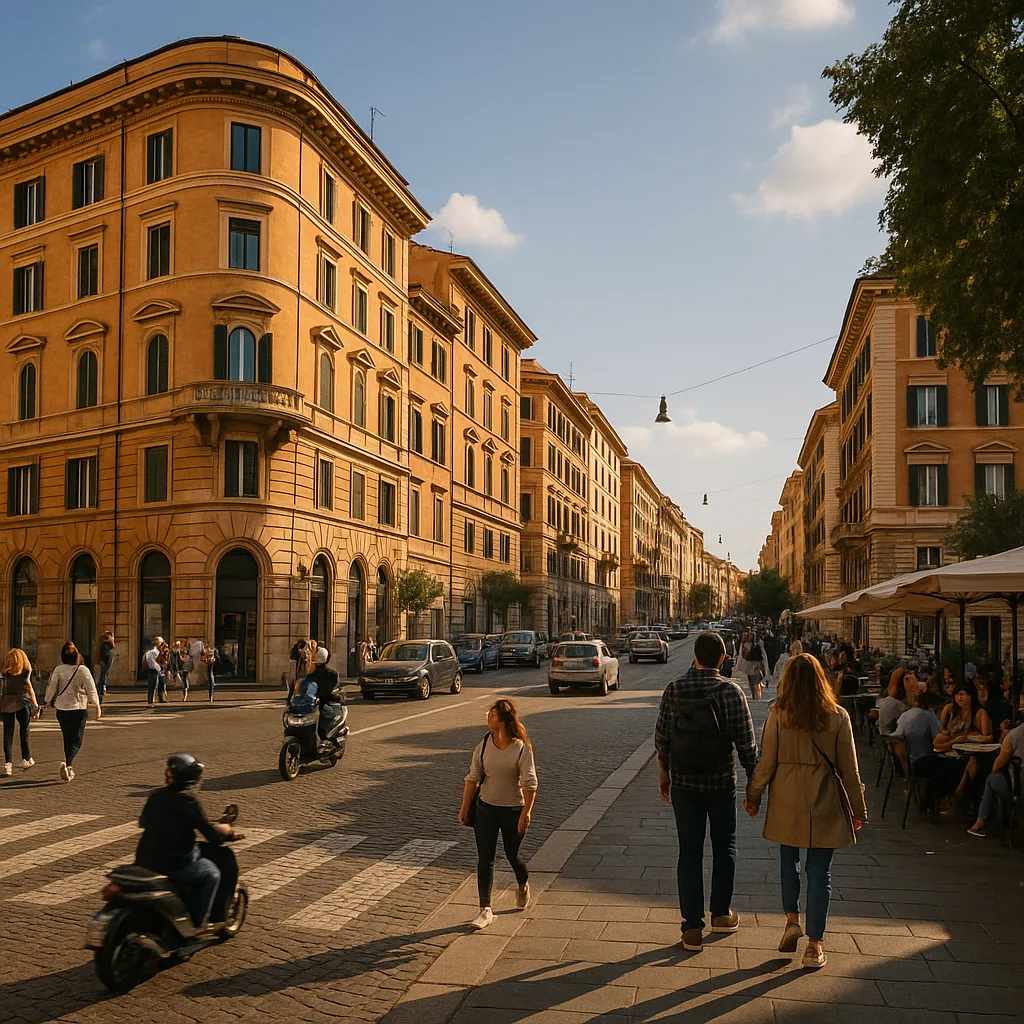
Evening: Testaccio
Dinner in Testaccio, where Roman cooking was born: artichoke alla Romana at Flavio al Velavevodetto, then gelato at Fatamorgana.
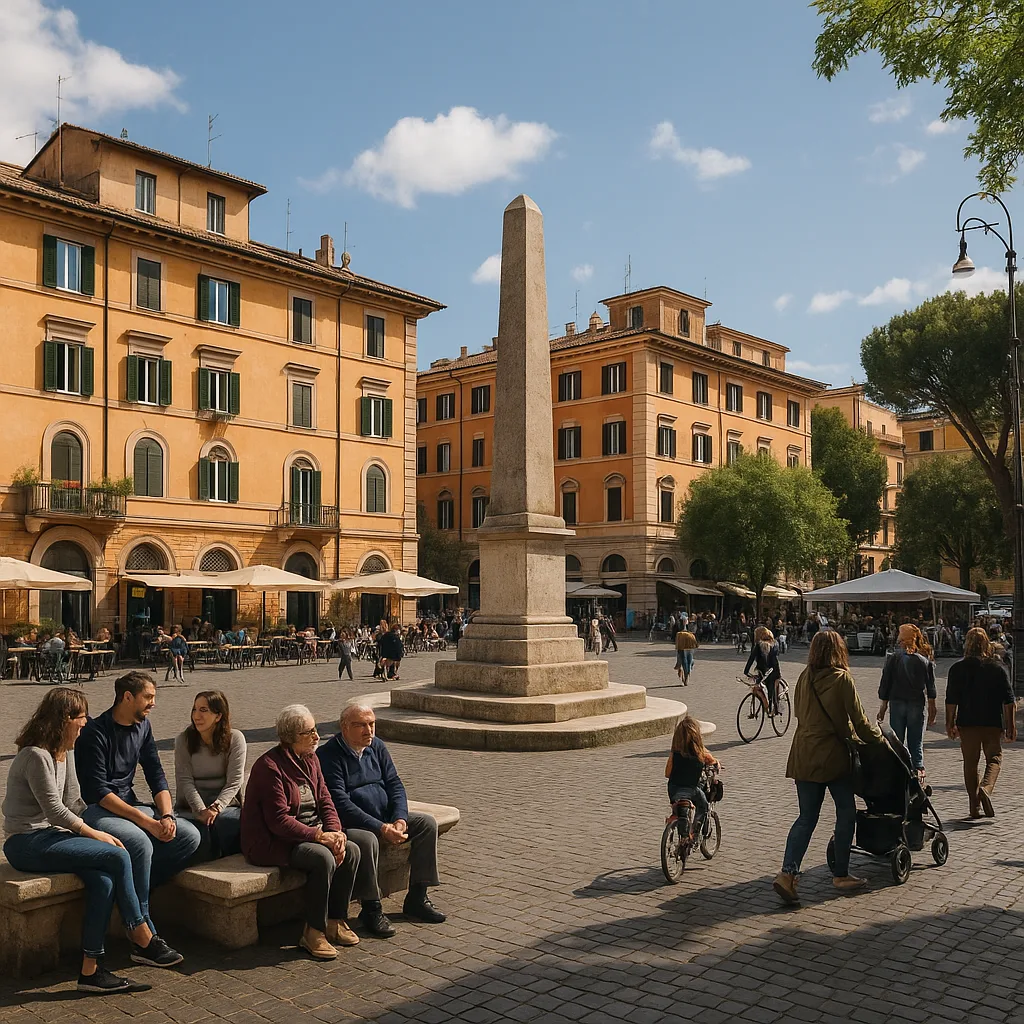
Day 3: Borghese, Roscioli and the Aventine
Morning: Trevi Fountain
Trevi Fountain at 7am while it is nearly empty, a maritozzo for breakfast at a nearby bar, then the Borghese Gallery's 9am slot (booked two weeks ahead) and a walk through the Villa Borghese gardens to the Pincio terrace.
Afternoon: Roscioli
Carbonara at Roscioli near Campo de' Fiori (reserve), then Testaccio Market for supplì and a climb up the Aventine to the Orange Garden and the keyhole view of St. Peter's dome.
Evening: Trastevere
A last Roman dinner in Monti or Trastevere and a walk past the floodlit Colosseum on the way back.
Plan this trip — get a personalized day-by-day Rome itinerary with drive times, restaurant picks and a packing list.
Rome Travel Tips
- Pre-book the Colosseum, Vatican Museums, and Borghese Gallery weeks in advance — walk-up tickets may not be available
- Validate train and bus tickets before boarding — inspectors fine on the spot
- Drinking fountains (nasoni) across the city dispense clean, cold water 24/7
- Dress code applies at the Vatican — no bare shoulders or knees
- Avoid tourist restaurants immediately adjacent to major attractions — walk one or two streets away for much better food at lower prices
Rome FAQ
When is the best time to visit Rome?
April, May, September, and October offer perfect weather (18–25°C) and manageable crowds. Summer (June–August) is scorching and extremely crowded at the main sites. Christmas through February is quieter but some sites have reduced hours.
How much does a day in Rome cost?
Plan on an average daily budget of $100–$180/day in Rome. The local currency is the Euro (€).
How do I get around Rome?
Validate train and bus tickets before boarding — inspectors fine on the spot.
What should I know about safety and etiquette in Rome?
Dress code applies at the Vatican — no bare shoulders or knees.
What are the top things to do in Rome?
Top attractions in Rome include The Colosseum, Vatican City & St. Peter's Basilica, Trevi Fountain, Roman Forum & Palatine Hill and Borghese Gallery. Rome is best for history, art, food and romance.
Similar Destinations to Rome
- More in Europe → Which cities for a first trip, a 12-day London, Paris and Rome route by Eurostar and one flight, rail passes, ETIAS and Schengen rules, seasons and daily budgets.