Things to Do in New Orleans, USA
The Big Easy — Jazz, Creole Cuisine, and America's Most Spirited City
- Average daily budget
- $100–$200/day
- Currency
- US Dollar ($)
- Language
- English
- Best for
- Music, Food, Festivals, Culture
About New Orleans
New Orleans is America's most singular city — a place where French, Spanish, African, and American cultures have blended for 300 years into something utterly unique in the world. The 'Big Easy' pulses with jazz music around the clock, serves some of the most exciting food in America, and celebrates with an abandon that reaches its delirious peak at Mardi Gras. But New Orleans rewards visitors beyond the party: its stunning Creole architecture, the spiritual depth of its African American musical heritage, its surrounding bayou wilderness, and the genuine warmth of its people make it one of the most culturally rich destinations in the United States.
Top Attractions in New Orleans
Frenchmen Street
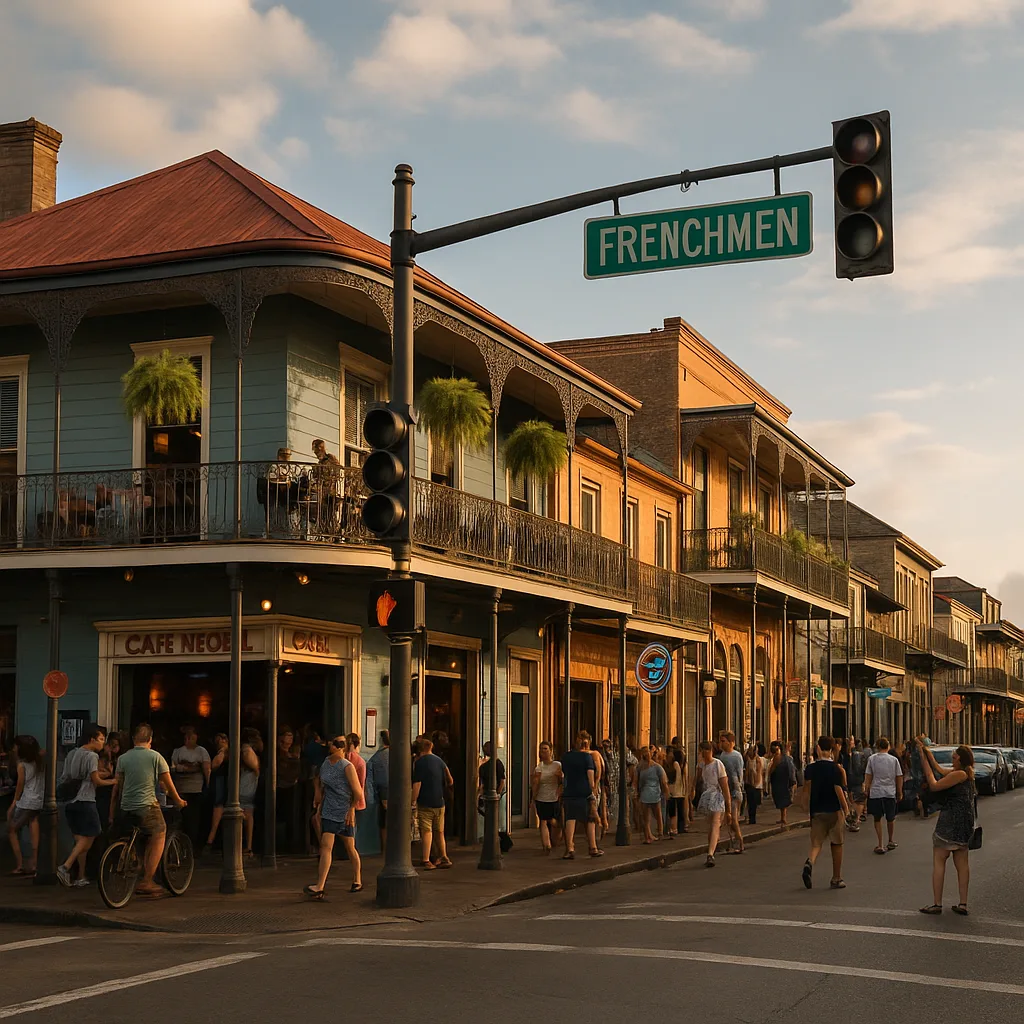
The heart of New Orleans' authentic live music scene — three blocks lined with jazz clubs, brass band stages, and bars where world-class musicians play nightly for the love of it. Start at 10pm when things get serious.
French Quarter & Bourbon Street
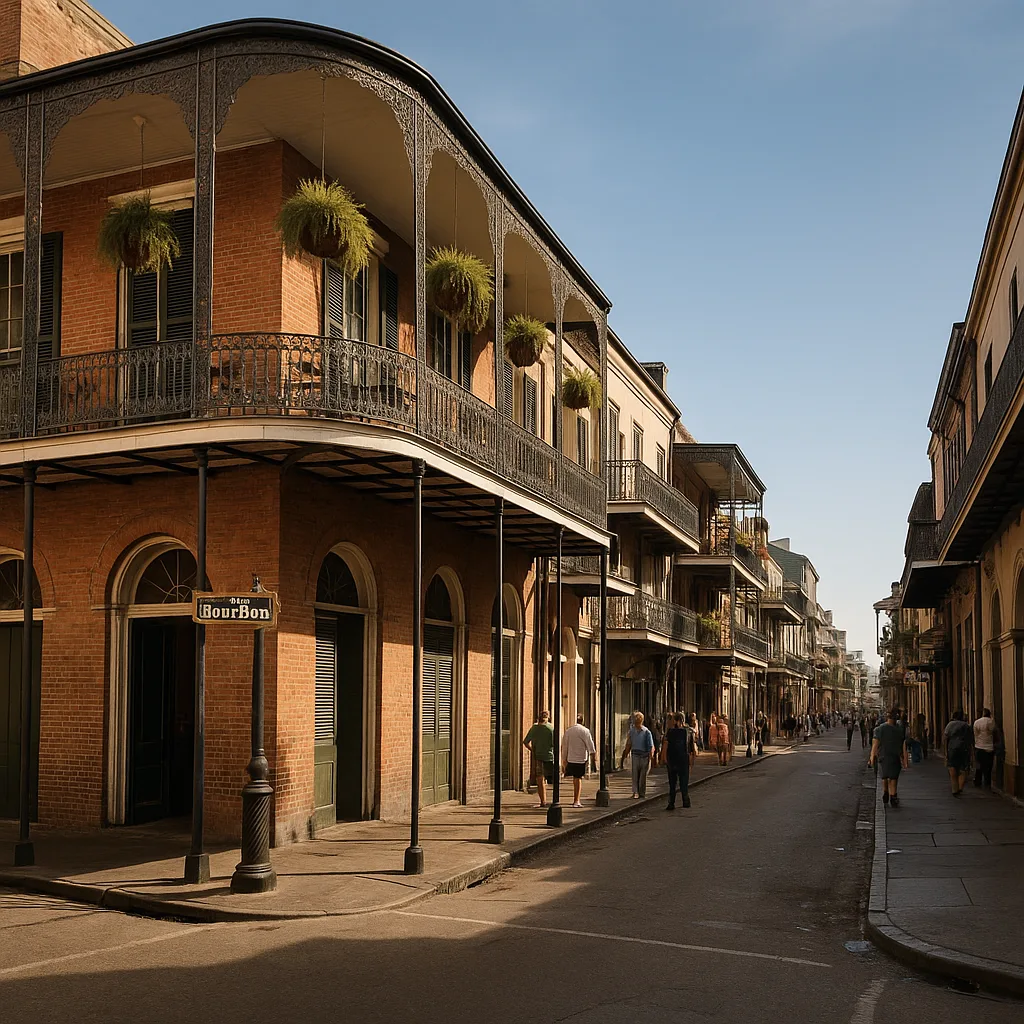
The oldest neighborhood in New Orleans has beautiful Spanish-Creole architecture with iron lacework balconies, the famous Cathedral-Basilica, Jackson Square artists, and Bourbon Street's legendary (if touristy) party scene.
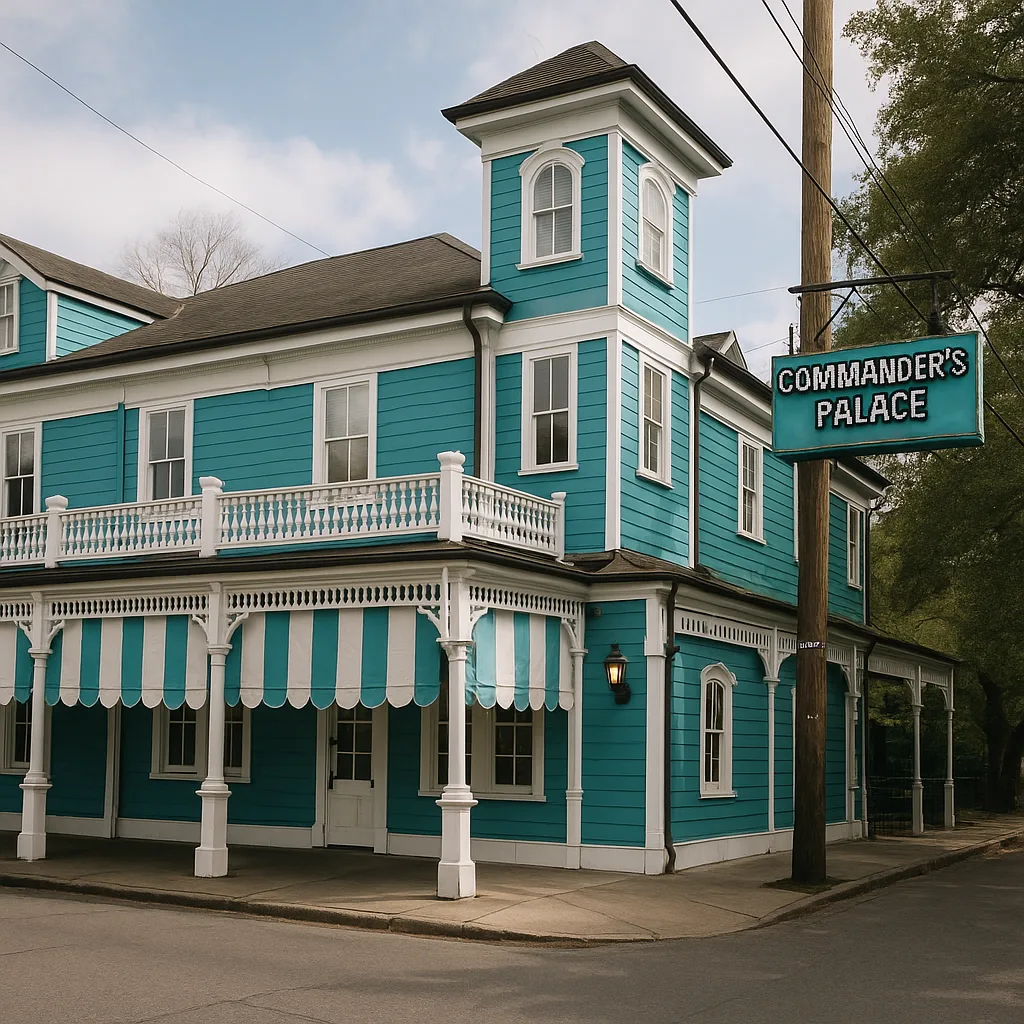
Commander's Palace
One of the greatest restaurants in American history has been setting the standard for Creole cuisine since 1893. The turtle soup, bread pudding soufflé, and celebratory jazz brunch are essential New Orleans experiences.
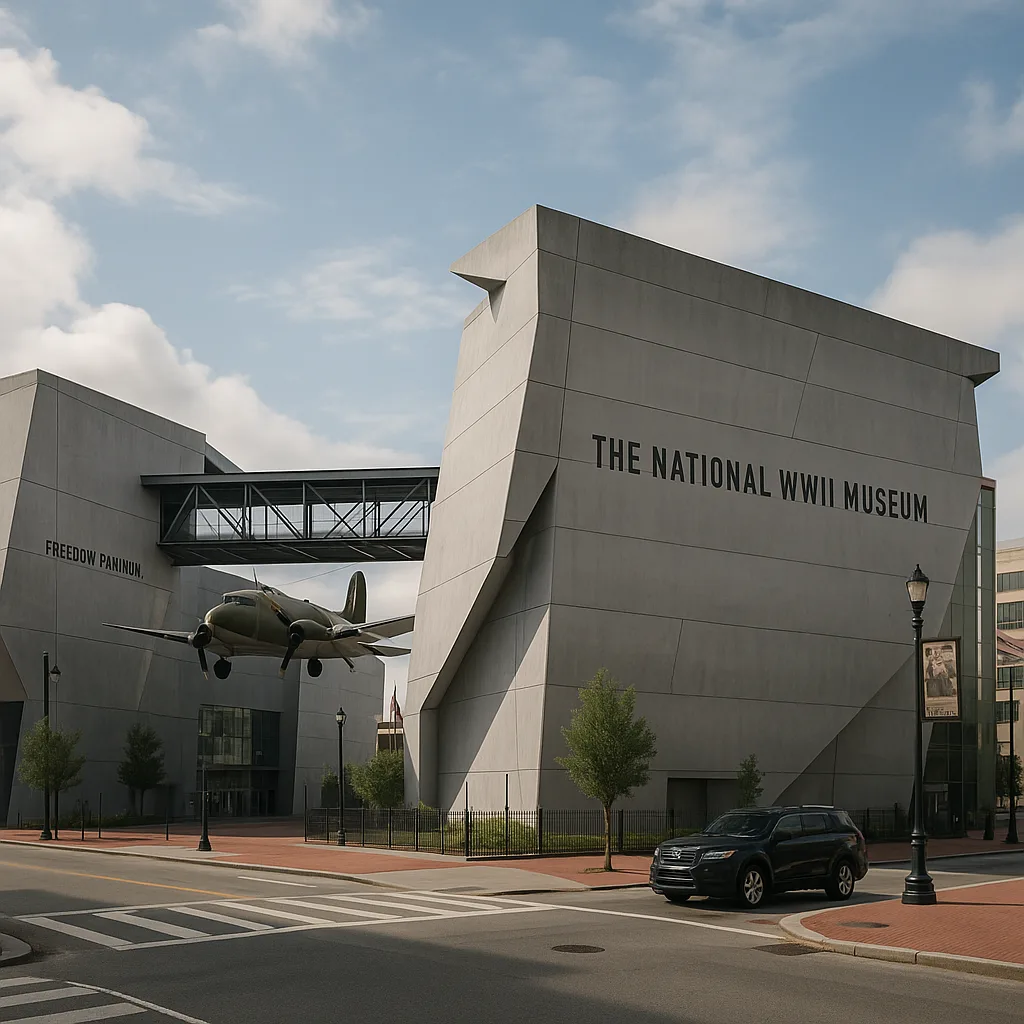
National WWII Museum
Frequently ranked one of the top 10 museums in the United States, this world-class institution brings the war's human stories to life through stunning artifacts, personal accounts, and immersive exhibits.
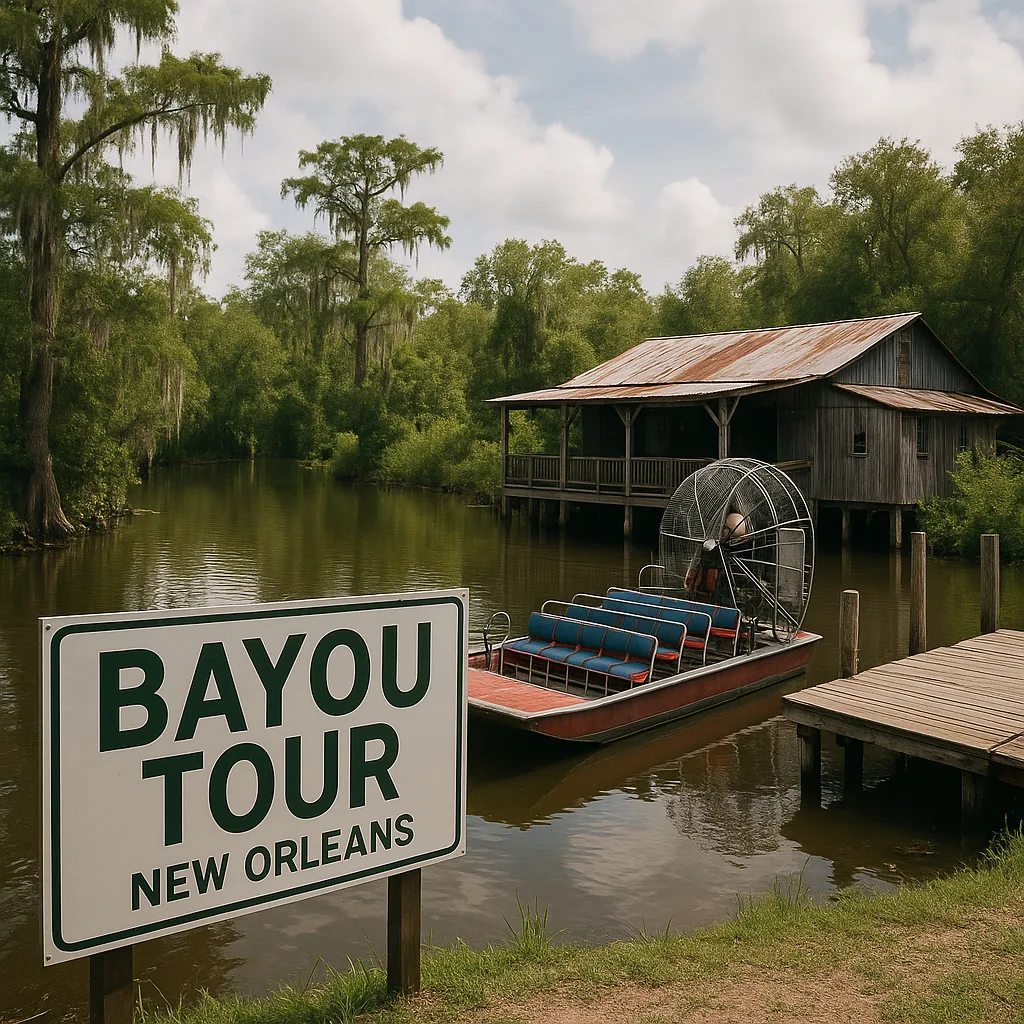
Bayou Tour
A swamp tour through the Louisiana bayou reveals Spanish moss-draped cypress trees, American alligators basking on logs, egrets, and herons in a wilderness that begins just 30 minutes from the city center.
Garden District Walking Tour
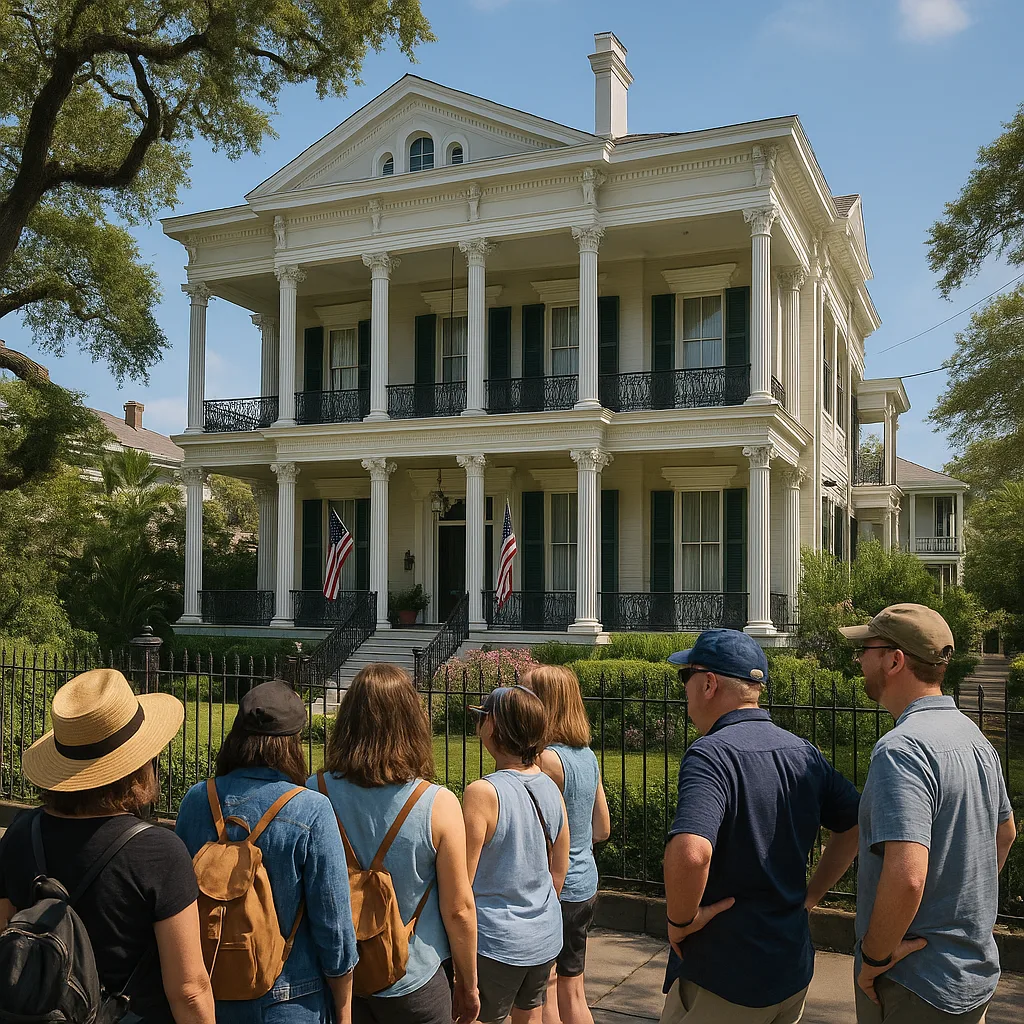
New Orleans' most beautiful neighborhood is a canopy of live oaks draped in Spanish moss over antebellum mansions and ornate Victorian houses. Take a self-guided walk from St. Charles Avenue streetcar.
Best Neighborhoods in New Orleans
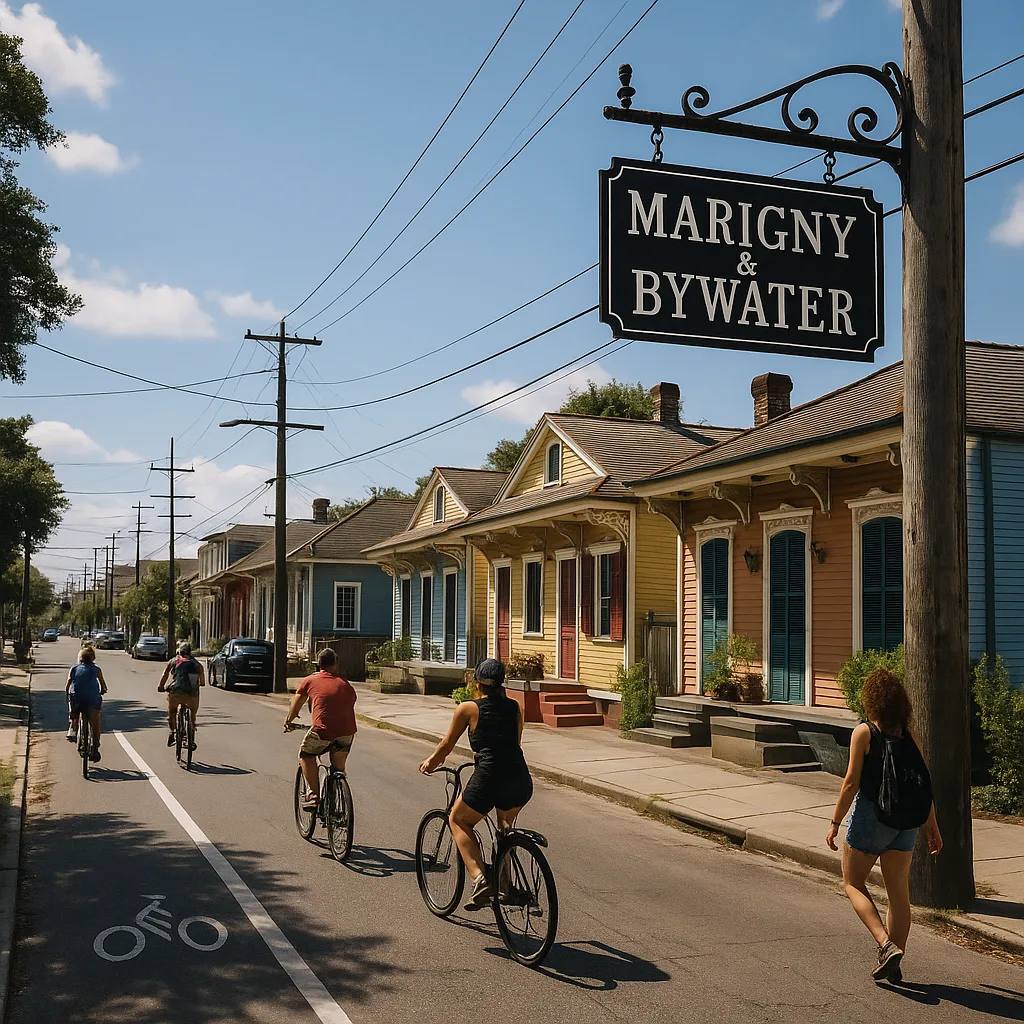
Marigny & Bywater
The creative, bohemian neighborhoods downriver from the French Quarter have the best live music (Frenchmen Street), excellent independent restaurants, and a genuine artistic community.
Garden District
Elegant antebellum mansions and manicured gardens reached by the historic St. Charles streetcar — the most architecturally beautiful neighborhood in the city.
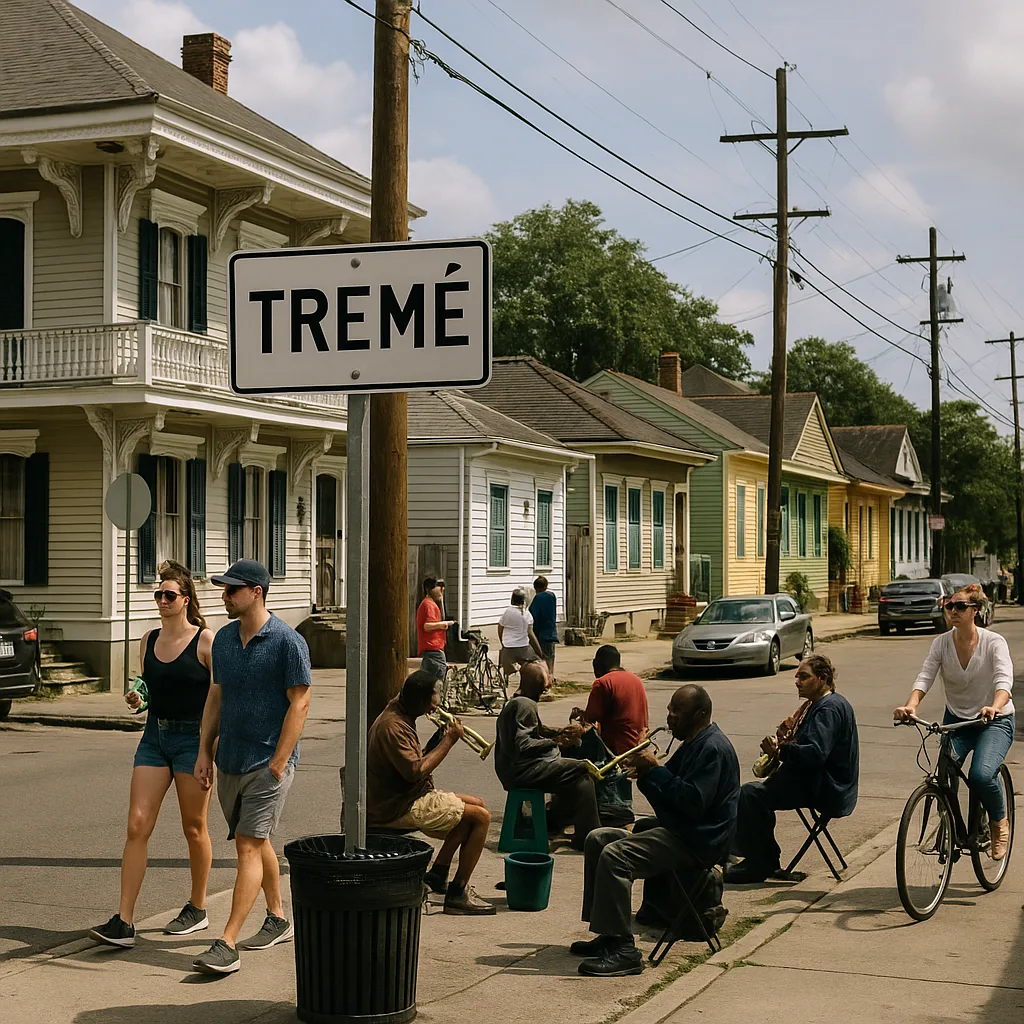
Tremé
The oldest African American neighborhood in the United States and the true birthplace of jazz — still home to second line parades, brass band funerals, and the Backstreet Cultural Museum.
What to Eat in New Orleans
- Beignets at Café Du Monde (open 24 hours)
- Gumbo at Dooky Chase's
- Po'boy sandwich at Domilise's
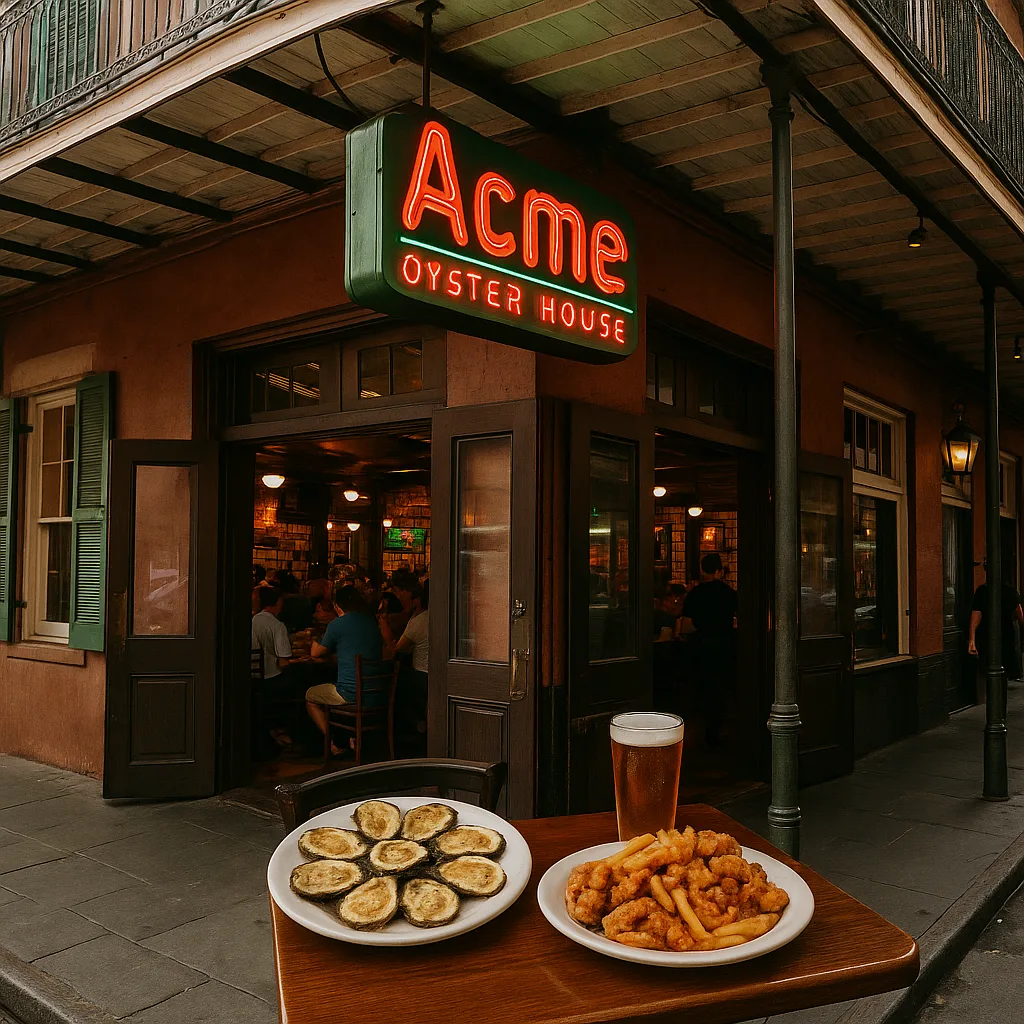
- Oysters on the half shell at Acme Oyster House
- Muffuletta at Central Grocery
- Crawfish étouffée at any classic Creole restaurant
Best Time to Visit New Orleans
February to May is peak time — Mardi Gras (February or early March), Jazz Fest (late April–early May), and beautiful spring weather. October and November are an excellent shoulder season with pleasant temperatures, Halloween's Krewe of Boo parade and the fall festival calendar. June through September is extremely hot, humid, and hurricane season.
Getting to and Around New Orleans
Louis Armstrong International (MSY) is 15 miles west of the French Quarter in Kenner: a taxi is a flat $36 for one or two passengers ($15 each for three or more), Uber and Lyft run $30–$45, shared shuttles about $24 a person, and the 202 Airport Express bus takes 45 minutes to the CBD for $1.50 if you have little luggage. Inside the city the RTA streetcars are the transport and the attraction: the St. Charles line (the oldest continuously operating streetcar in the world) from Canal Street through the Garden District to Audubon Park, the Canal line to City Park and the cemeteries, and the Rampart–St. Claude line along the Quarter's edge to the Marigny, all for $1.25 a ride or $3 for a Jazzy Pass day ticket on the Le Pass app. The French Quarter is 13 blocks by 6 and entirely walkable; Frenchmen Street is a 10-minute walk from Jackson Square, the Garden District a 20-minute streetcar ride. The Algiers ferry from the foot of Canal Street ($2) is the best two-minute view of the skyline. Blue Bikes rent by the minute. Rideshares are cheap for the CBD, Bywater and Mid-City ($8–$15); a car is a liability, with hotel parking at $40–$55 a night and towing zealous. Swamp tours 30–45 minutes out in Jean Lafitte or Slidell pick up from Quarter hotels for about $30 extra. The Quarter's streets are busy and well lit until late, but take a ride back after midnight from Frenchmen or the Bywater rather than walking the dark blocks in between.
Where to Stay in New Orleans
The French Quarter puts you in the middle of it, in Creole townhouses and courtyard hotels at $200–$400 a night in spring and fall and $120–$200 in the July–August heat; the quieter blocks are the lower Quarter below St. Ann Street, away from Bourbon Street, whose hotels are loud until 3am. The Marigny and Bywater, downriver from the Quarter, have the best guesthouses and B&Bs at $130–$250 in painted shotgun houses, Frenchmen Street's clubs on foot and a more local feel; the Bywater is a 25-minute walk or a quick ride. The Central Business District and Warehouse District, upriver, hold the big convention hotels and stylish conversions at $180–$350, near the WWII Museum and the streetcar lines, and quiet on weekends. The Garden District and Uptown along St. Charles Avenue offer mansion B&Bs and small inns at $150–$300 under the live oaks, 15–20 minutes to the Quarter by streetcar. Mid-City near Bayou St. John is the value pick at $100–$180, with Jazz Fest's Fair Grounds nearby. Mardi Gras (February or early March), Jazz Fest (late April to early May) and Halloween triple rates and book out a year ahead; hotels add roughly 15% tax plus $1–$3 a night in fees, and many charge a resort fee, so compare the total.
3 Days in New Orleans: A Sample Itinerary
Every stop below is one of the places named in this guide. Use it as a starting point, or let the planner build a version around your dates, pace and budget.
Day 1: The French Quarter, from beignets to brass bands
Morning: French Quarter & Bourbon Street
Beignets and café au lait at Café Du Monde by 8am, then Jackson Square and St. Louis Cathedral, the French Quarter's Royal Street galleries and the Pontalba balconies, before the crowds build by 11.
Afternoon: Acme Oyster House
Oysters on the half shell at Acme Oyster House on Iberville Street (or a muffuletta from Central Grocery on Decatur), then the French Market, the Historic New Orleans Collection on Royal Street and a loop on the Riverfront streetcar.
Evening: Frenchmen Street
Frenchmen Street from 7pm: The Spotted Cat, d.b.a. and the Blue Nile in a row, with brass bands on the corner of Chartres; tip the band, take a go-cup and stay for the second set at 10pm.
Day 2: Garden District, the WWII Museum and Commander's Palace
Morning: Garden District Walking Tour
The St. Charles streetcar to Washington Avenue for a Garden District Walking Tour on your own: the gates of Lafayette Cemetery No. 1, the mansions on Prytania and First Streets, and Magazine Street's shops for a coffee.
Afternoon: National WWII Museum
Three hours at the National WWII Museum on Magazine Street in the Warehouse District (the Beyond All Boundaries film is worth the extra ticket), then a po'boy at a corner grocery on the walk back.
Evening: Commander's Palace
Dinner at Commander's Palace (jackets for men, book weeks ahead; the turtle soup and the bread pudding soufflé), then a nightcap on the porch of the Columns Hotel on St. Charles Avenue.
Day 3: Tremé, the bayou and the Bywater
Morning: Tremé
Tremé at 9am: Congo Square in Louis Armstrong Park, St. Augustine Church, the Backstreet Cultural Museum's Mardi Gras Indian suits, and gumbo for an early lunch at Dooky Chase's on Orleans Avenue (lunch Tuesday to Friday).
Afternoon: Bayou Tour
A 2pm Bayou Tour from Jean Lafitte, 40 minutes south: two hours on a flat boat among cypress knees, Spanish moss and alligators ($30–$50; the smaller boats get further in).
Evening: Marigny & Bywater
Bywater for sunset from Crescent Park's Rusty Rainbow bridge over the river, dinner at Bacchanal's wine garden with a live band, then a last set at the Marigny's clubs on St. Claude Avenue.
Plan this trip — get a personalized day-by-day New Orleans itinerary with drive times, restaurant picks and a packing list.
New Orleans Travel Tips
- Walk or take the historic streetcars — New Orleans' core neighborhoods are all walkable and parking is a nightmare
- Mardi Gras week accommodation must be booked a full year in advance and prices triple
- The 'go cup' law means you can legally carry a plastic cup of alcohol on the street in New Orleans
- Tip musicians generously at live music venues — they often work for tips
- Don't leave New Orleans without a proper French Quarter ghost tour — the city's history of voodoo and hauntings is part of its character
New Orleans FAQ
When is the best time to visit New Orleans?
February to May is peak time — Mardi Gras (February or early March), Jazz Fest (late April–early May), and beautiful spring weather. October and November are an excellent shoulder season with pleasant temperatures, Halloween's Krewe of Boo parade and the fall festival calendar. June through September is extremely hot, humid, and hurricane season.
How much does a day in New Orleans cost?
Plan on an average daily budget of $100–$200/day in New Orleans. The local currency is the US Dollar ($).
How do I get around New Orleans?
Walk or take the historic streetcars — New Orleans' core neighborhoods are all walkable and parking is a nightmare.
What should I know about safety and etiquette in New Orleans?
Tip musicians generously at live music venues — they often work for tips.
What are the top things to do in New Orleans?
Top attractions in New Orleans include Frenchmen Street, French Quarter & Bourbon Street, Commander's Palace, National WWII Museum and Bayou Tour. New Orleans is best for music, food, festivals and culture.
Similar Destinations to New Orleans
- More in North America → City, beach or national park for a first trip, a 12-day New York, New Orleans and Cancún route by air, a Banff and Yellowstone road trip, park passes, ESTA and eTA notes, seasons and daily budgets.