Things to Do in Marrakech, Morocco
A Sensory Explosion of Spice, Color, and Ancient Medina Magic
- Average daily budget
- $50–$120/day
- Currency
- Moroccan Dirham (MAD)
- Language
- Arabic / Berber / French
- Best for
- Culture, Food, Shopping, Adventure
About Marrakech
Marrakech is one of the world's most intoxicating cities — a Moroccan imperial capital where the 11th-century medina is still a living, working labyrinth of souks, craftsmen, and mosques, all converging on the extraordinary Djemaa el-Fna square. The smells of cumin and orange blossom, the sound of Gnawa musicians and snake charmers, the flash of woven silk and hammered copper — Marrakech delivers a sensory experience unlike anything in Europe or North America. The city is also the gateway to the Atlas Mountains, the Sahara Desert, and some of the world's most spectacular natural landscapes.
Top Attractions in Marrakech
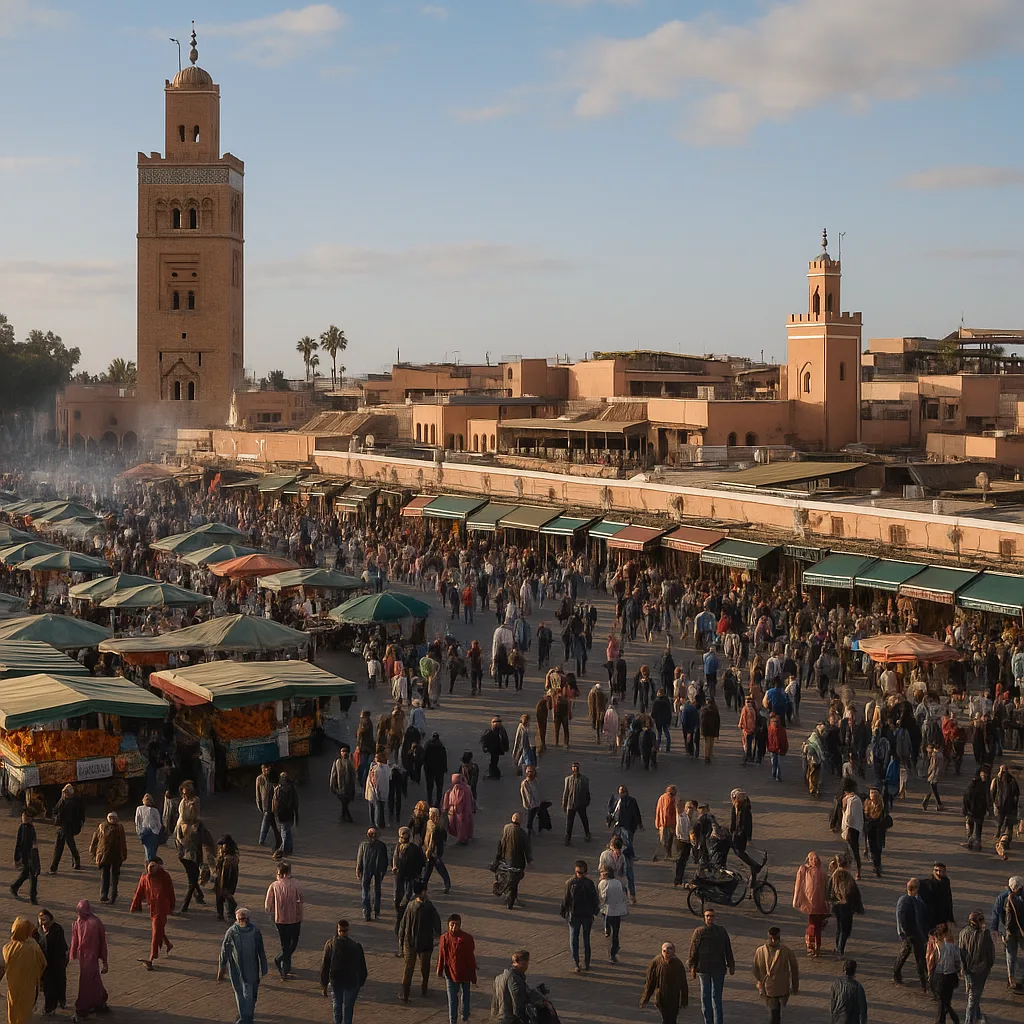
Djemaa el-Fna
The medieval heart of Marrakech transforms across the day: morning orange juice stalls give way to afternoon storytellers and fortune tellers, before an explosion of food stalls, musicians, acrobats, and snake charmers fills the square at night.
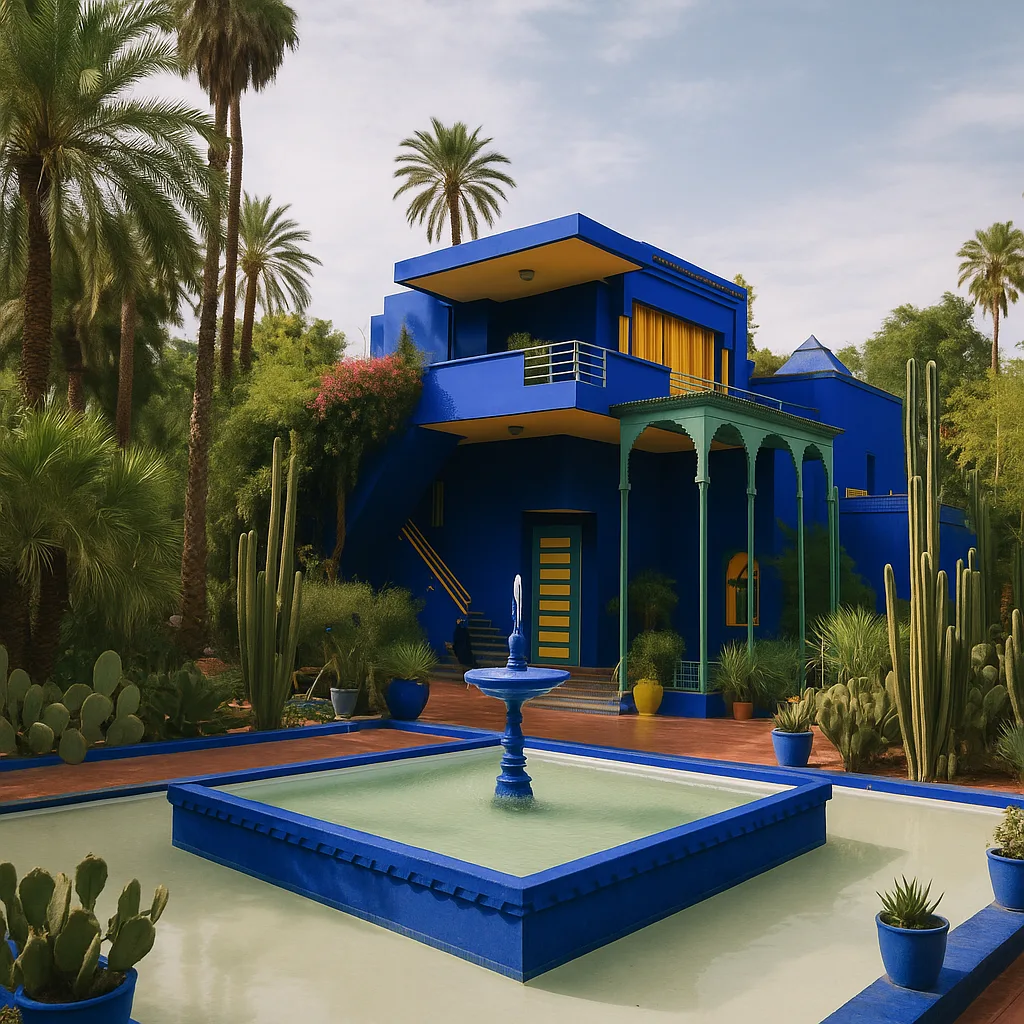
Majorelle Garden
The brilliant cobalt-blue villa and exotic botanical garden designed by French artist Jacques Majorelle (and later owned by Yves Saint Laurent) is Marrakech's most photographed attraction. Book tickets online.
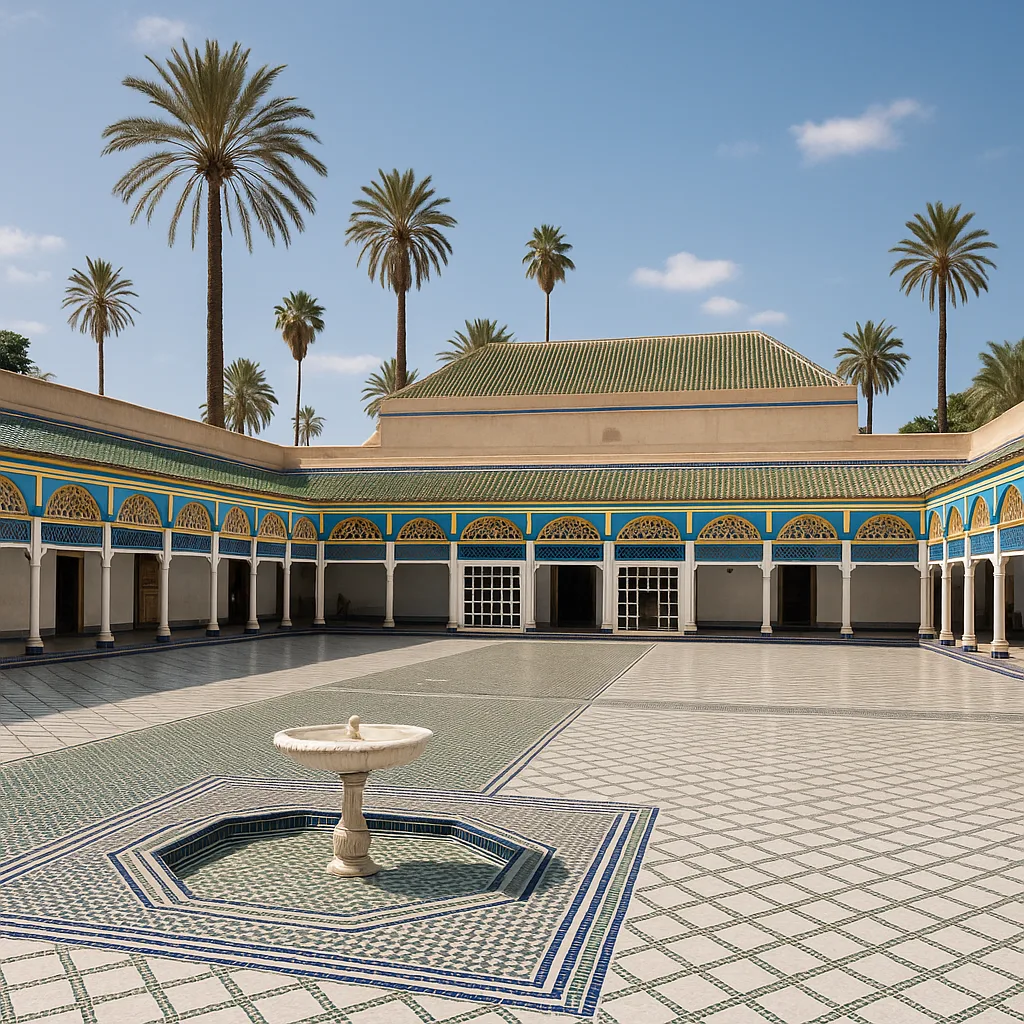
Bahia Palace
A 19th-century palace of intricate zellij tilework, carved plasterwork, painted cedar ceilings, and peaceful courtyard gardens — one of Morocco's finest examples of Islamic architecture.
Souk Circuit
Marrakech's medina souks divide by trade: spice souks, leather souks, metalworkers' souks, and carpet souks. Hire a local guide for the first visit to navigate the labyrinth and get fair prices.
Atlas Mountains Day Trip
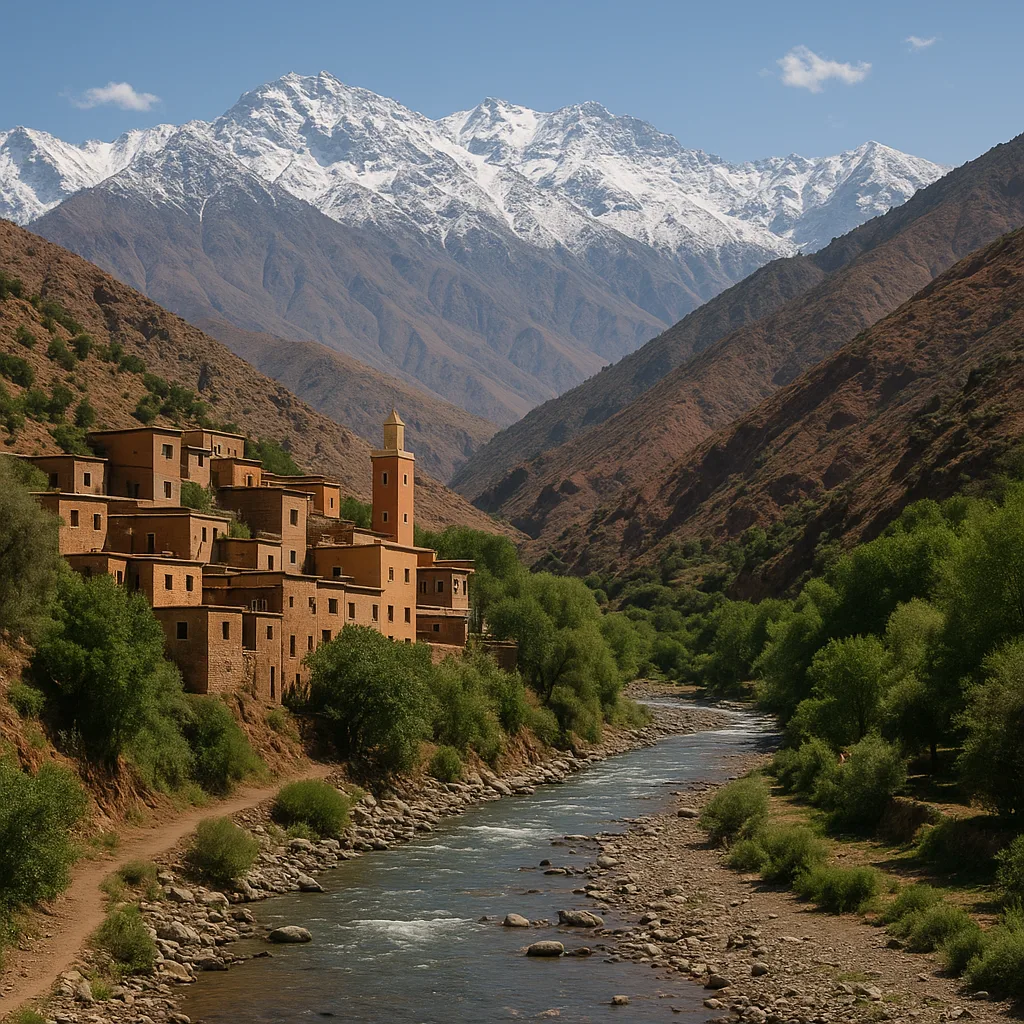
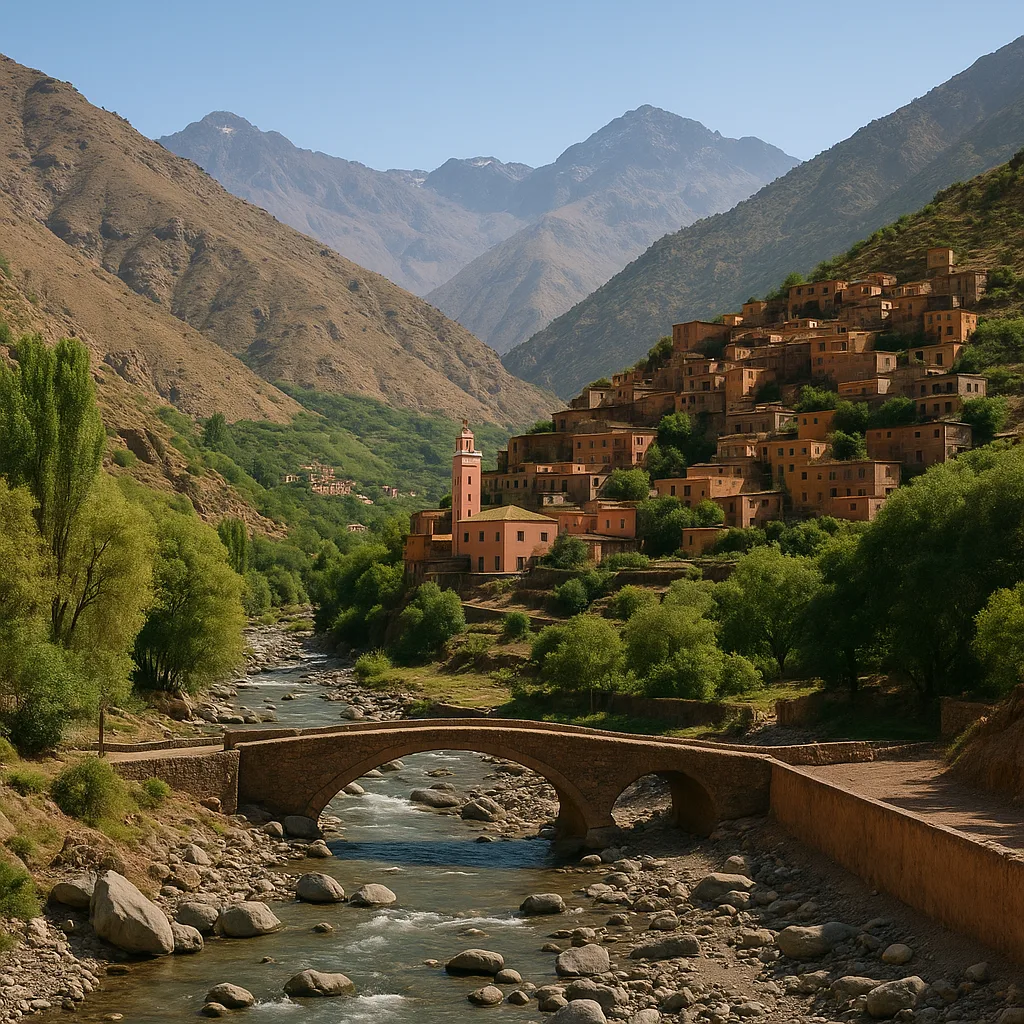
One hour from Marrakech, the High Atlas valleys are home to Berber villages, cascading waterfalls at Ouzoud (3 hours), and the Toubkal National Park — North Africa's highest peak at 4,167m.
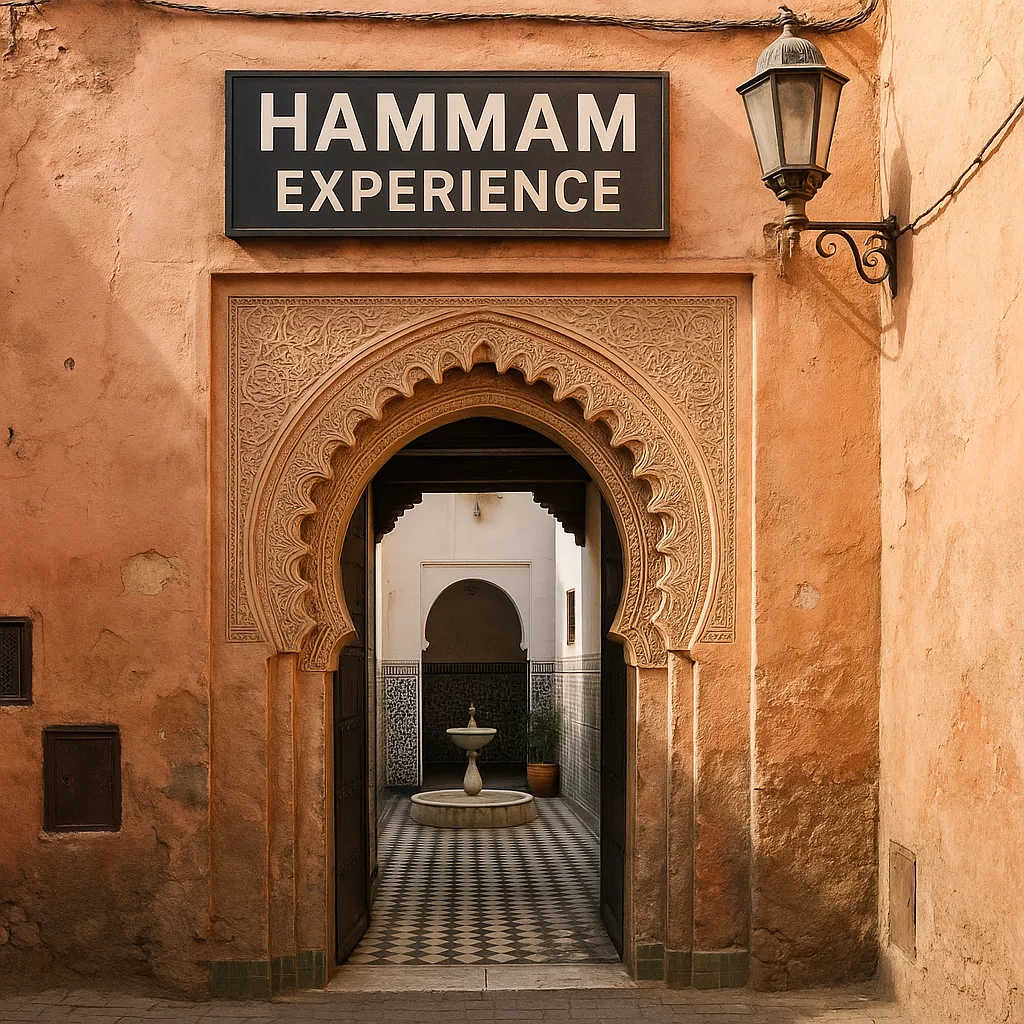
Hammam Experience
A traditional Moroccan hammam (steam bath with black soap scrub and massage) at a local hammam — not a tourist spa — is one of the most memorable cultural experiences in Morocco.
Best Neighborhoods in Marrakech
Medina (Old City)
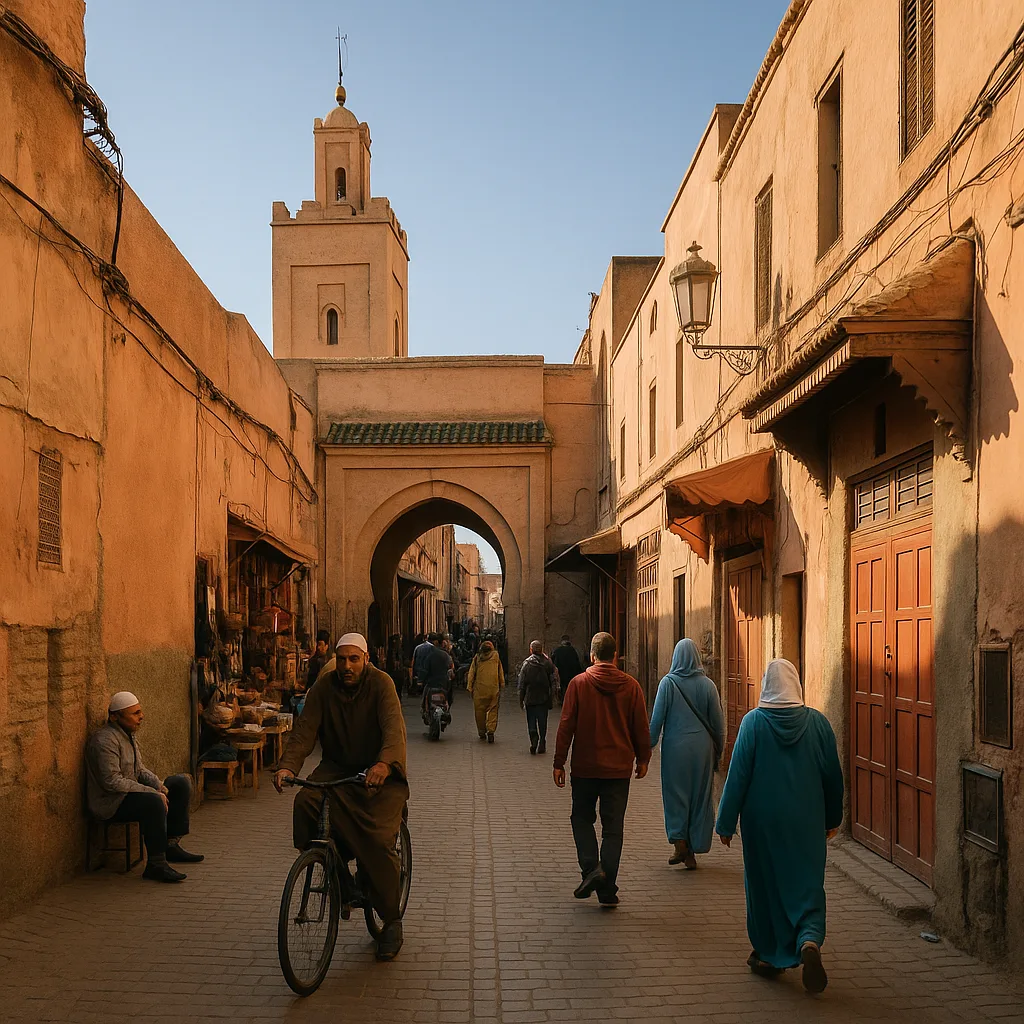
The UNESCO-listed medieval city contains everything historic Marrakech has to offer — get hopelessly lost in the souks and you'll always find something extraordinary.
Gueliz (New City)
The French-designed new town has excellent modern restaurants, art galleries, wine bars, and a calmer atmosphere for those who need a break from medina intensity.
What to Eat in Marrakech
- Tagine (lamb with prunes and almonds)
- Pastilla (pigeon or chicken pie with cinnamon and almonds)
- Harira soup with dates during Ramadan
- Merguez sausages and kefta kebabs at Djemaa el-Fna
- Msemen (Moroccan flat bread) with argan honey
- Fresh orange juice for about 10 dirhams from the Djemaa el-Fna juice carts
Best Time to Visit Marrakech
March to May and September to November are ideal — warm enough for exploring without the brutal summer heat. June through August sees temperatures regularly topping 40°C. December through February is mild and green with occasional rain, and the Atlas Mountains may have snow.
Getting to and Around Marrakech
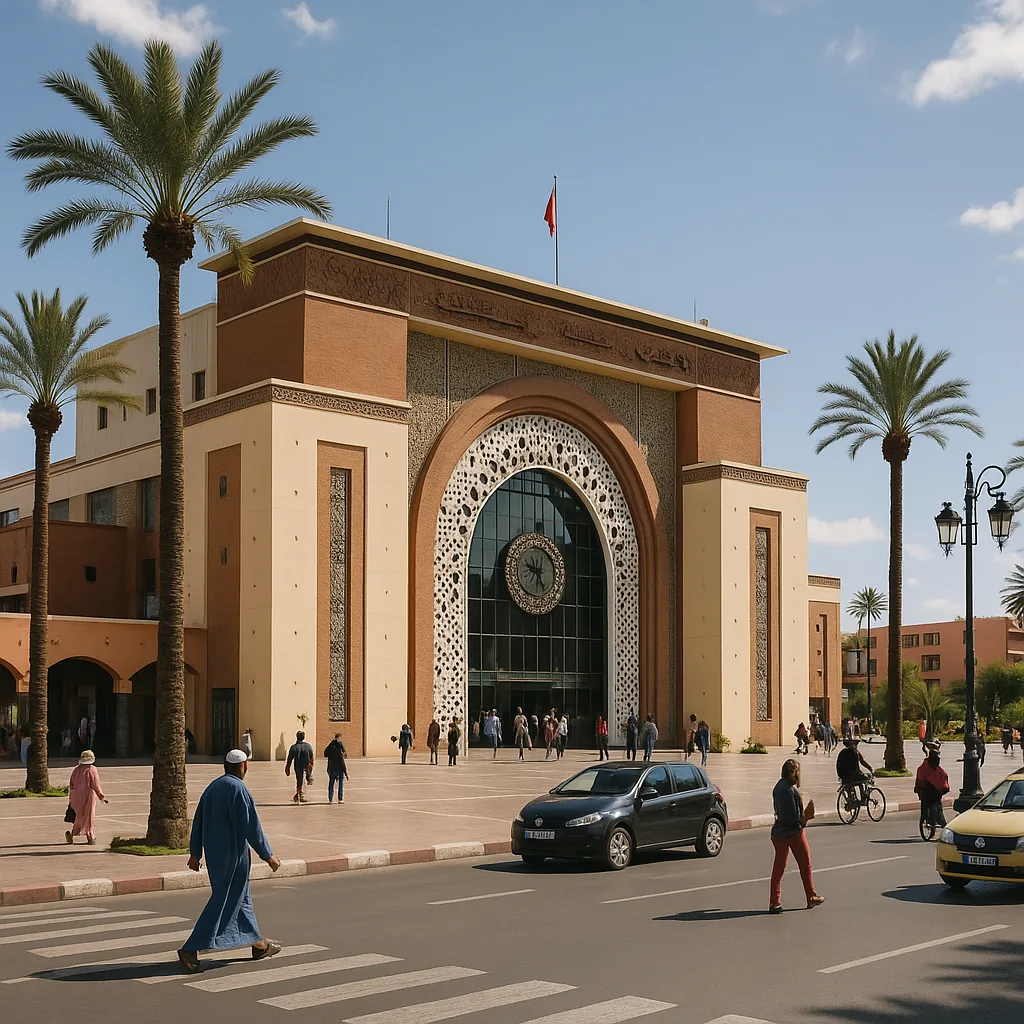
Menara airport (RAK) is 6 km from the medina: the official taxi rate is 70 MAD by day and 100 MAD after 8pm to the medina or Gueliz (drivers will ask for 150–200, so agree the price before loading bags), the L19 airport bus is 30 MAD to Djemaa el-Fna and the railway station, and riad transfers booked ahead cost 150–250 MAD but include someone who knows the way through the lanes, which is worth it at night. The old medina is closed to cars and most of it is 15 minutes across on foot, from Djemaa el-Fna north through the souks to Ben Youssef or south to the Bahia Palace and the Kasbah. Petits taxis (the beige Dacias) are metered by law at roughly 2 MAD a kilometre with a 7 MAD minimum, 20–30 MAD from the square to Gueliz or the Majorelle Garden and 50% more at night; ask for the compteur, and if the driver refuses, take the next one. Grands taxis and the Careem and InDrive apps cover longer trips. The railway station on Avenue Hassan II has ONCF trains to Casablanca (2.5 hours, 100–150 MAD) and Rabat and, with a change to the Al Boraq high-speed line, Tangier; the Supratours and CTM coach stations next door serve Essaouira (3 hours, 80–100 MAD) and the Atlas towns. A car and driver for a day in the Ourika Valley or Imlil runs 600–900 MAD, shared tours from 250 MAD. Calèche horse carriages by the square are a fixed 150–200 MAD an hour. The souks close by 9pm and the medina lanes empty; keep an offline map and the riad's phone number handy.
Where to Stay in Marrakech
Sleeping in a riad inside the Medina is the Marrakech experience: a courtyard house with a plunge pool and a rooftop breakfast, 600–1,200 MAD (€55–€110) a night for a good mid-range one and 2,000–5,000 MAD for the famous names (La Mamounia's rooms start around €600). The derbs around Riad Zitoun el-Jdid and the Mouassine and Dar el-Bacha quarters are central and calm, the Kasbah near the Saadian Tombs quieter still, and Bab Doukkala closest to the taxi ranks; a riad more than 10 minutes' walk from a road means suitcases on a handcart and a guide the first night. Gueliz, the French-built new town, has chain and business hotels at 500–1,200 MAD, wine bars and a 15-minute taxi to the square, and is easier for people who find the medina intense or need step-free rooms. The Hivernage district beside the Menara gardens holds the big resort hotels and nightclubs at 1,500–3,000 MAD, and the Palmeraie outside town has villa hotels with pools for families and a 30-minute drive to everything. Hostels near Djemaa el-Fna start at about 100 MAD a bed. Rates peak at Christmas, Easter and in October–November; July and August are hot enough (40°C) that the same riads drop prices by a third. Ramadan changes opening hours but not prices.
3 Days in Marrakech: A Sample Itinerary
Every stop below is one of the places named in this guide. Use it as a starting point, or let the planner build a version around your dates, pace and budget.
Day 1: The square, the souks and the palaces
Morning: Djemaa el-Fna
Fresh orange juice from the carts on Djemaa el-Fna at 8am while the square is quiet, then the 77-metre Koutoubia minaret next door and a walk north into the souk circuit: the spice souk at Rahba Kedima, the dyers' lane, the Chouari carpenters and the leather souk, with a licensed guide (300–400 MAD for a half day) if it is your first time.
Afternoon: Bahia Palace
Lunch on tagine at a rooftop café by the Ben Youssef Madrasa's courtyard, then south to the Bahia Palace's painted cedar ceilings and courtyards (100 MAD) and the Saadian Tombs beside the Kasbah mosque.
Evening: Djemaa el-Fna night food stalls
Djemaa el-Fna after dark: merguez and kefta kebabs at the numbered food stalls or the snail-soup carts, then Gnawa music and the storytellers' circles, and a mint tea on the terrace of the Café de France to watch the whole square from above.
Day 2: Majorelle, a hammam and Gueliz
Morning: Majorelle Garden
A taxi to the Majorelle Garden for its 8am opening (book the timed ticket online; combined with the Yves Saint Laurent Museum next door about 300 MAD), the cobalt villa, the cactus garden and the Berber Museum before the tour groups arrive at 10.
Afternoon: Hammam Experience
Lunch and the galleries of Gueliz along Avenue Mohammed V, then a Hammam: the local Hammam Mouassine in the medina (about 50 MAD, plus 100 MAD for a scrub) or a spa version at Les Bains de Marrakech (from 400 MAD).
Evening: Gueliz
Sunset over the medina walls from the Menara gardens' pavilion, then pastilla and a glass of Moroccan wine at a Gueliz restaurant, or a rooftop dinner back in the medina at Nomad or Le Jardin.
Day 3: Into the Atlas Mountains
Morning: Atlas Mountains Day Trip
An Atlas Mountains day trip with a driver: 90 minutes to Imlil at 1,740 m under Toubkal, then a two-hour walk with a local guide up through the walnut terraces to the Berber village of Aroumd for tea.
Afternoon: Imlil Valley
Lunch of tagine cooked over charcoal in a gîte with a view of the peaks, then the drive back through the Ourika valley or a stop at the Tin Mal mosque; alternatively, the 3-hour trip to the Ouzoud waterfalls fills the whole day.
Evening: Medina (Old City)
Back in the Medina by 6pm for a last rooftop dinner (Nomad, Le Jardin or the riad's own cook), msemen with argan honey for dessert, and the call to prayer rolling over the roofs.
Plan this trip — get a personalized day-by-day Marrakech itinerary with drive times, restaurant picks and a packing list.
Marrakech Travel Tips
- Hire a licensed guide for your first medina souk visit — navigating without one is genuinely confusing and you'll overpay
- Bargaining is essential and expected at all souks — start at 30% of the first asking price
- Dress conservatively in the medina out of respect for local culture
- Be wary of 'helpful' strangers who offer to show you the way — they'll expect payment
- Download offline maps (Maps.me works well) before entering the medina's narrow streets
Marrakech FAQ
When is the best time to visit Marrakech?
March to May and September to November are ideal — warm enough for exploring without the brutal summer heat. June through August sees temperatures regularly topping 40°C. December through February is mild and green with occasional rain, and the Atlas Mountains may have snow.
How much does a day in Marrakech cost?
Plan on an average daily budget of $50–$120/day in Marrakech. The local currency is the Moroccan Dirham (MAD).
What should I know about safety and etiquette in Marrakech?
Bargaining is essential and expected at all souks — start at 30% of the first asking price. Dress conservatively in the medina out of respect for local culture.
What are the top things to do in Marrakech?
Top attractions in Marrakech include Djemaa el-Fna, Majorelle Garden, Bahia Palace, Souk Circuit and Atlas Mountains Day Trip. Marrakech is best for culture, food, shopping and adventure.
What should I eat in Marrakech?
Must-try food in Marrakech includes Tagine (lamb with prunes and almonds), Pastilla (pigeon or chicken pie with cinnamon and almonds), Harira soup with dates during Ramadan and Merguez sausages and kefta kebabs at Djemaa el-Fna.