Things to Do in Vienna, Austria
Imperial Grandeur, Classical Music, and Kaffeehäuser Culture
- Average daily budget
- $100–$180/day
- Currency
- Euro (€)
- Language
- German
- Best for
- Music, Art, History, Food
About Vienna
Vienna is one of Europe's most imperial and refined capitals — a city where Habsburg palaces, world-class art museums, legendary coffeehouses, and a classical music tradition that produced Mozart, Beethoven, and Schubert create an atmosphere of civilized grandeur unique on the continent. The Austrian capital consistently ranks among the world's most liveable cities, and it's easy to see why: impeccable public transport, extraordinary cultural institutions, magnificent Ringstrasse architecture, and a Viennese coffeehouse culture that has been designated UNESCO Intangible Cultural Heritage make Vienna one of Europe's great slow-travel destinations.
Top Attractions in Vienna
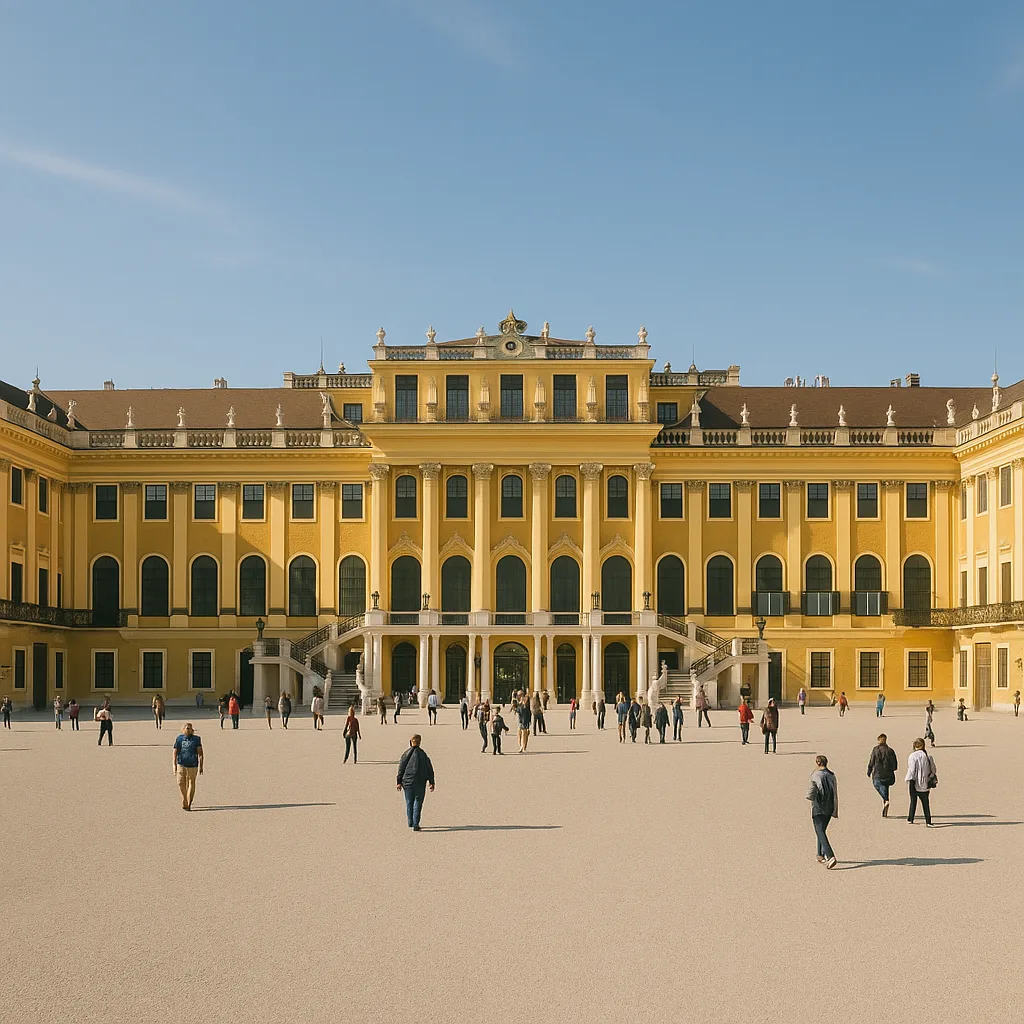
Schönbrunn Palace
The Habsburg imperial summer residence with 1,441 rooms, baroque gardens, a hilltop Gloriette with panoramic views, and Austria's oldest zoo. The palace highlights tour takes 50 minutes; allow half a day for the gardens.
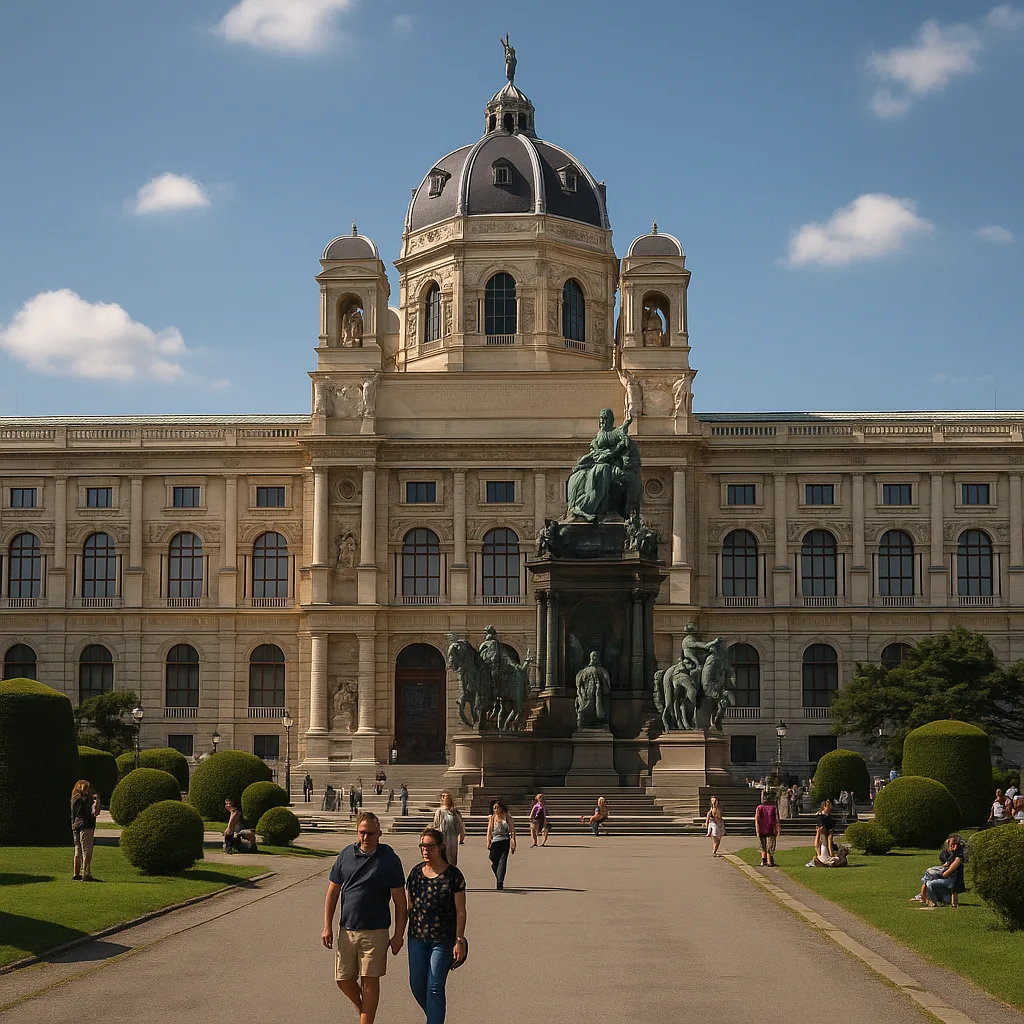
Kunsthistorisches Museum
One of Europe's greatest art museums houses the Habsburg imperial art collection — Bruegel, Vermeer, Raphael, Velázquez, and the world's finest collection of Cellini goldwork.
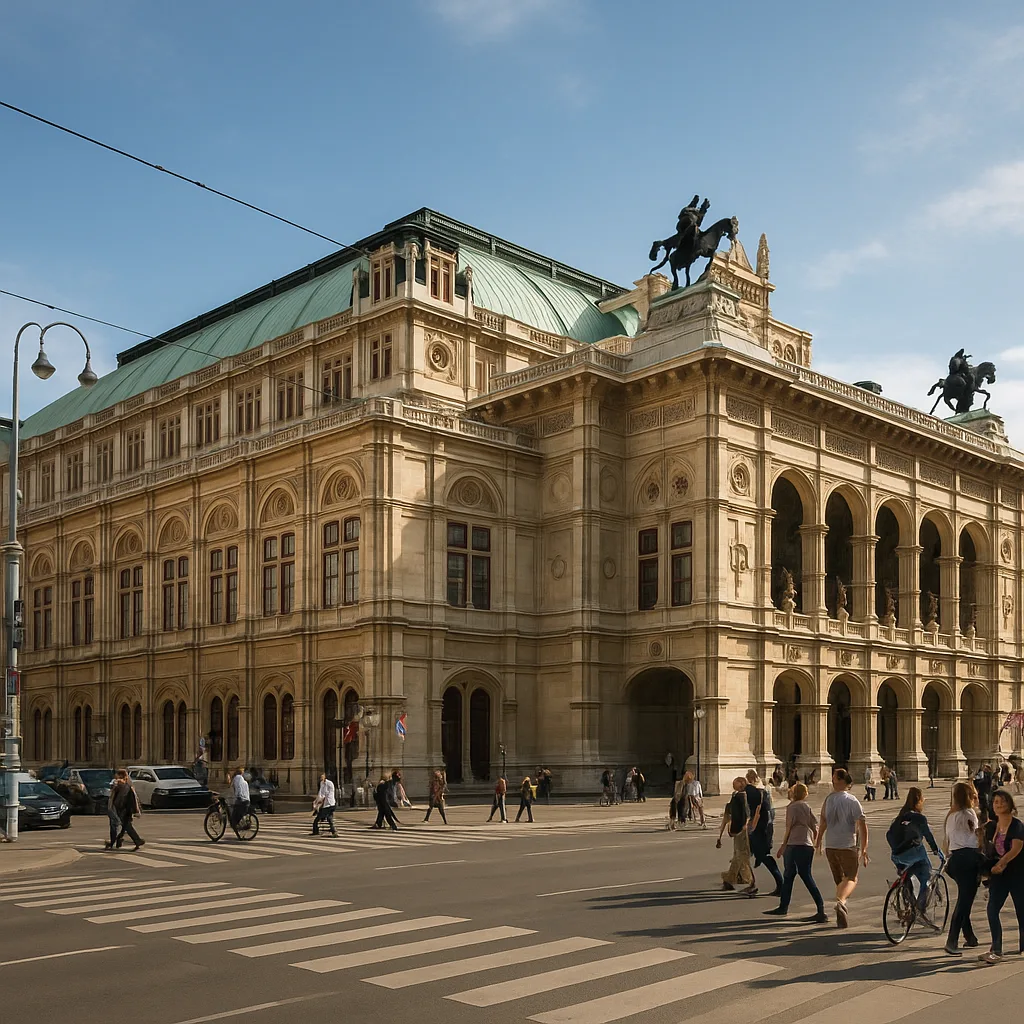
Vienna State Opera (Staatsoper)
One of the world's leading opera houses, built in 1869, offers standing-room tickets for €13–€18 — sold online from 10am on the day of the performance and at the standing-room box office 80 minutes before curtain.
Belvedere Palace & Gardens
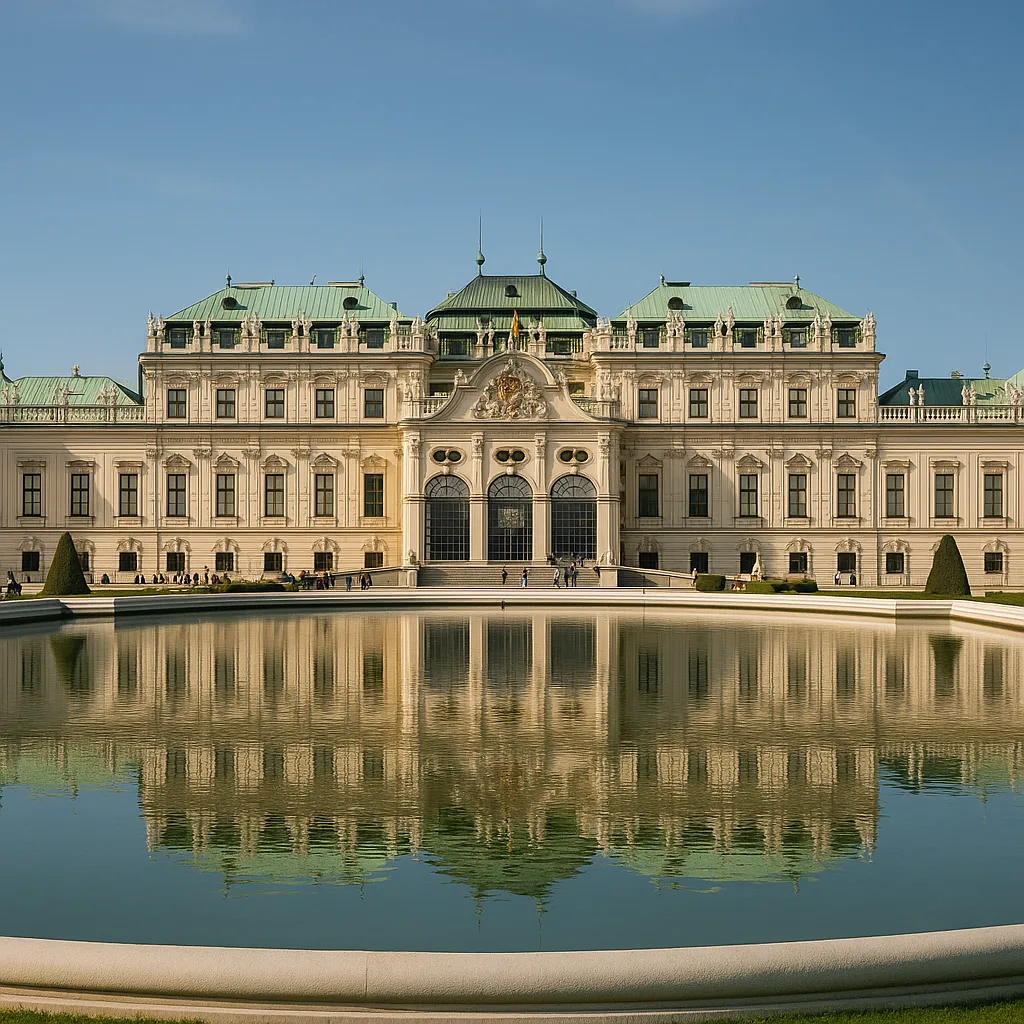
The Baroque summer palace of Prince Eugene houses Klimt's The Kiss (one of the world's most famous paintings) in the upper gallery, surrounded by formal gardens with a reflecting pool.
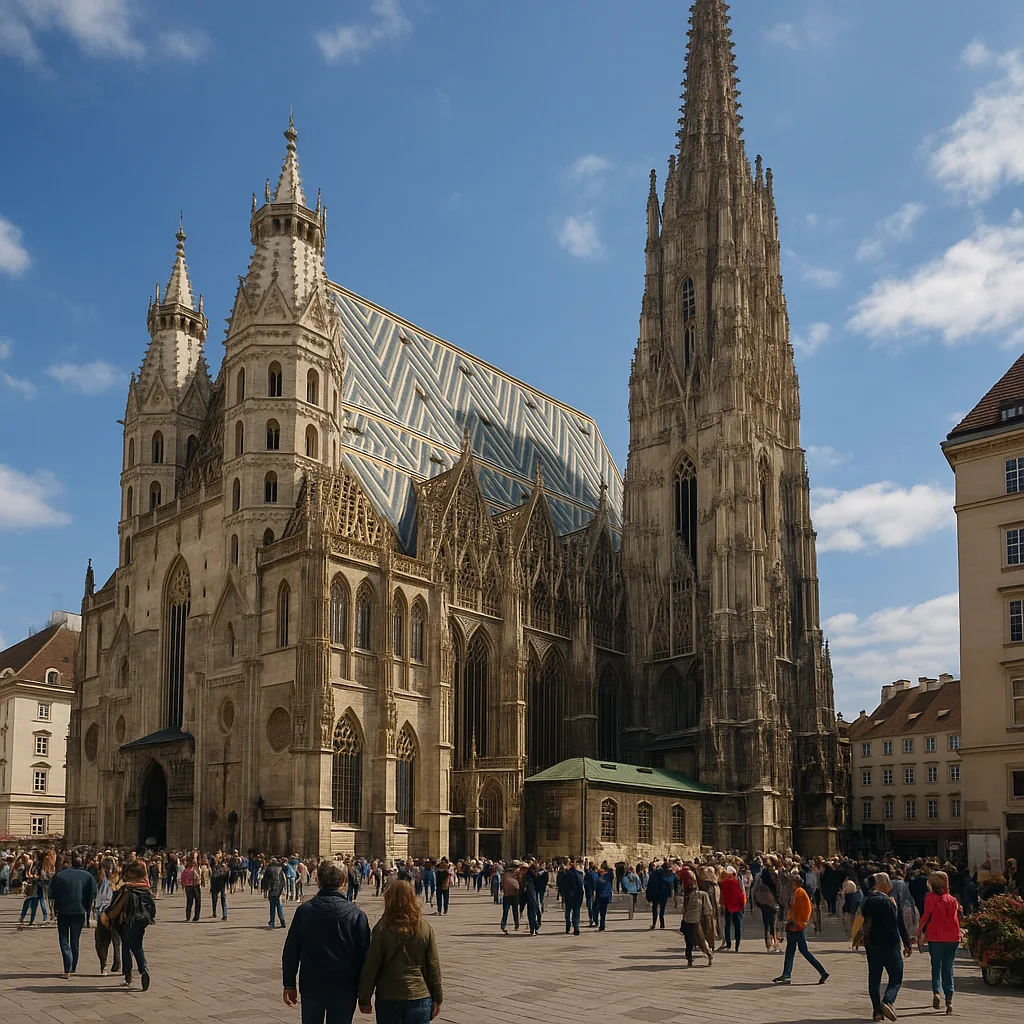
St. Stephen's Cathedral (Stephansdom)
The Gothic cathedral at the heart of Vienna has a colorful glazed tile roof, catacombs containing Habsburg remains, and a tower climb with panoramic views over the city's rooftops.
Best Neighborhoods in Vienna
Innere Stadt (1st District)
The historic center contains the Opera, the Stephansdom, the Hofburg Imperial Palace, and the world's finest concentration of Viennese coffeehouses.
Naschmarkt & Mariahilf
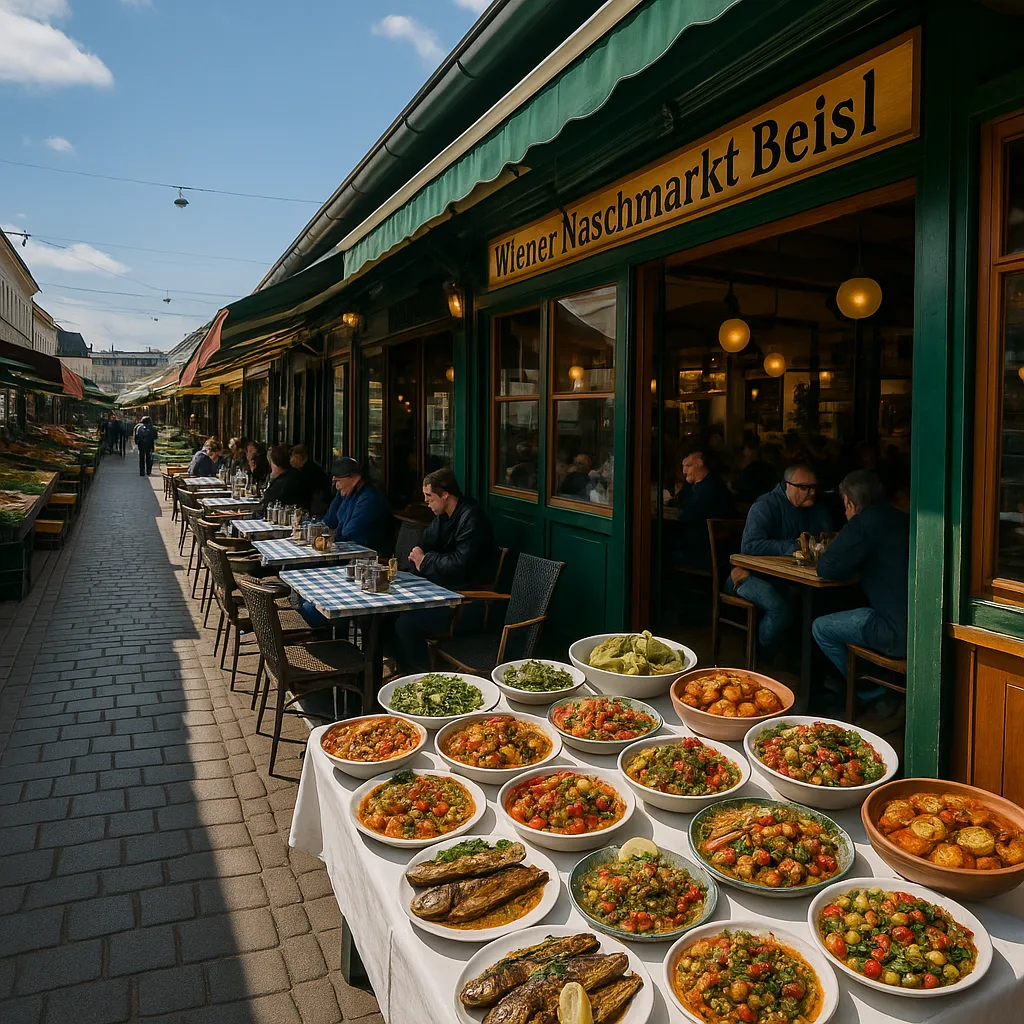
Vienna's most famous open-air market (6th district) sells everything from olives to oysters. The surrounding neighborhood has excellent wine bars and a relaxed local feel.
Prater
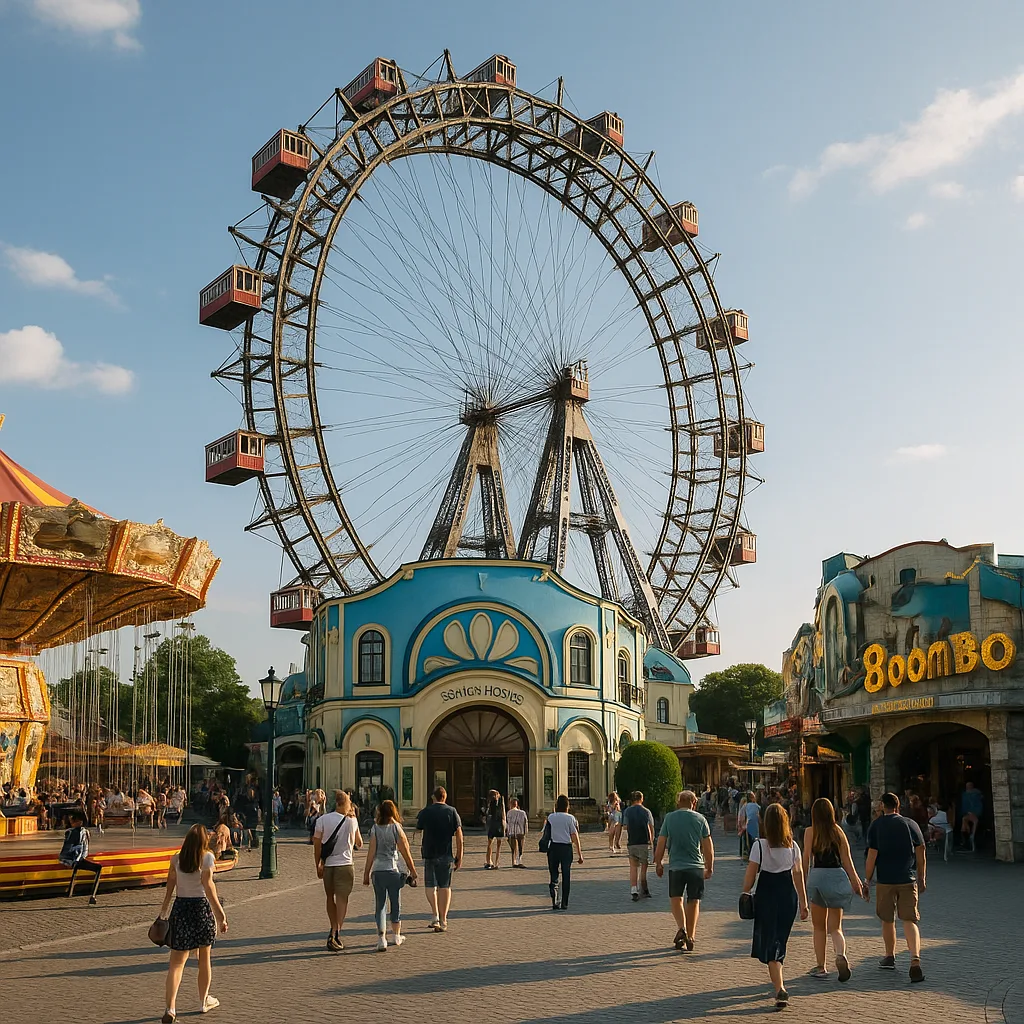
Vienna's vast public park contains the 1897 Wiener Riesenrad Ferris wheel (famous from The Third Man film) and miles of horse-chestnut allée perfect for cycling.
What to Eat in Vienna
- Wiener Schnitzel at Figlmüller
- Sachertorte at Hotel Sacher
- Viennese breakfast (Kipferl and coffee) at Café Central
- Tafelspitz (boiled beef in broth) at Plachutta
- Apfelstrudel at a traditional Konditorei
- A Melange (Viennese coffee with milk foam) in a coffeehouse
Best Time to Visit Vienna
April to June and September to October offer ideal weather for sightseeing. December is magical for Vienna's Christmas markets (among Europe's finest). July and August are warm but increasingly crowded. January and February are very cold but opera season is in full swing.
Getting to and Around Vienna
Vienna airport (VIE) is 18 km southeast of the centre: the S7 S-Bahn reaches Wien Mitte in 25 minutes for about €4.40 (a standard two-zone ticket, which also covers the onward U-Bahn ride), the City Airport Train (CAT) does the same run non-stop in 16 minutes for €14.90, and railjet trains go straight to the Hauptbahnhof in 15 minutes for the same €4.40 fare; a taxi is €40–€50. Once in town the Wiener Linien network of five U-Bahn lines, 28 tram routes and buses is excellent and runs on trust: buy a 24-hour ticket (€8), 48-hour (€14.10), 72-hour (€17.10) or, if you arrive early in the week, a weekly pass (€17.10, valid Monday to Monday) from the red machines or the WienMobil app, validate it once and simply board. Single rides are €2.40. The Vienna City Card (€17 for 24 hours, €25 for 48, €29 for 72) adds discounts but only makes sense if you will use many of them. Trams 1, 2, 71 and D circle the Ringstrasse past the Opera, the Hofburg, the Parliament and the Rathaus, a free architectural tour on any ticket, and the U4 line takes 15 minutes from Karlsplatz to Schönbrunn. The Innere Stadt inside the Ring is a 20-minute walk across and largely pedestrian; Stephansplatz to the Opera is five minutes. Night buses and, on Friday and Saturday, all-night U-Bahn services cover the small hours. Trains to Bratislava (1 hour), Budapest (2.5 hours) and Prague (4 hours) leave from the Hauptbahnhof, on the U1 line.
Where to Stay in Vienna
The Innere Stadt, inside the Ringstrasse, is the classic base with the Stephansdom, the Hofburg, the Opera and the grand cafés on foot; expect €180–€350 a night for a four-star in the spring and September–October seasons, €120–€200 in January and February, and the Sacher and the Imperial from €500. The districts just outside the Ring are better value and a 10-minute tram ride: Mariahilf and Neubau (the 6th and 7th) around the Naschmarkt, Mariahilfer Strasse and the MuseumsQuartier have design hotels and apartments at €100–€180 and the best bars; Wieden (the 4th) near Karlsplatz is quiet and well connected at €110–€200; Leopoldstadt (the 2nd), across the canal by the Prater, has new hotels and hostels at €70–€150 with the U1 and U2 to the centre in five minutes. Around the Hauptbahnhof and Westbahnhof the chain hotels run €90–€150 and suit early trains. The Schönbrunn area in Hietzing is leafy and residential, good for families, 15 minutes on the U4. Vienna's Christmas markets (mid-November to 26 December), the Opera Ball in February and the Vienna Marathon in April push prices up 30–50%. The city charges a 3.2% local tax on the room rate, and breakfast in a Viennese hotel is often worth paying for.
3 Days in Vienna: A Sample Itinerary
Every stop below is one of the places named in this guide. Use it as a starting point, or let the planner build a version around your dates, pace and budget.
Day 1: The Innere Stadt and the Ring
Morning: St. Stephen's Cathedral (Stephansdom)
Coffee and a Kipferl at Café Central under the vaults on Herrengasse at 8am, then the Hofburg's Imperial Apartments and the Sisi Museum, and St. Stephen's Cathedral, climbing the 343 steps of the south tower for the view over the glazed tile roof (about €6.50).
Afternoon: Kunsthistorisches Museum
Wiener Schnitzel at Figlmüller on Wollzeile (the original is the size of the plate; book, or go at 3pm), then the Kunsthistorisches Museum for Bruegel's Hunters in the Snow, the Kunstkammer and the café under the cupola.
Evening: Vienna State Opera (Staatsoper)
The Vienna State Opera: standing-room tickets (€13–€18, released online at 10am on the day and at the Stehplatz box office 80 minutes before curtain), or a Ringstrasse loop on trams 1 and 2 as the buildings light up, followed by Sachertorte at Hotel Sacher's café.
Day 2: Schönbrunn and the Belvedere
Morning: Schönbrunn Palace
The U4 to Schönbrunn Palace for the 8:30am opening: the Grand Tour of 40 rooms (about €30 with a timed slot), then the gardens, the Gloriette hill for the view back over the palace and the Neptune fountain; Austria's oldest zoo is in the same grounds if you have children.
Afternoon: Belvedere Palace & Gardens
Tafelspitz, the boiled-beef ritual with apple-horseradish and chive sauce, at Plachutta on Wollzeile or at its Hietzing branch beside Schönbrunn, then tram or U-Bahn to the Belvedere Palace: Klimt's The Kiss in the Upper Belvedere (about €17 online) and the walk down through the gardens to the Lower Belvedere.
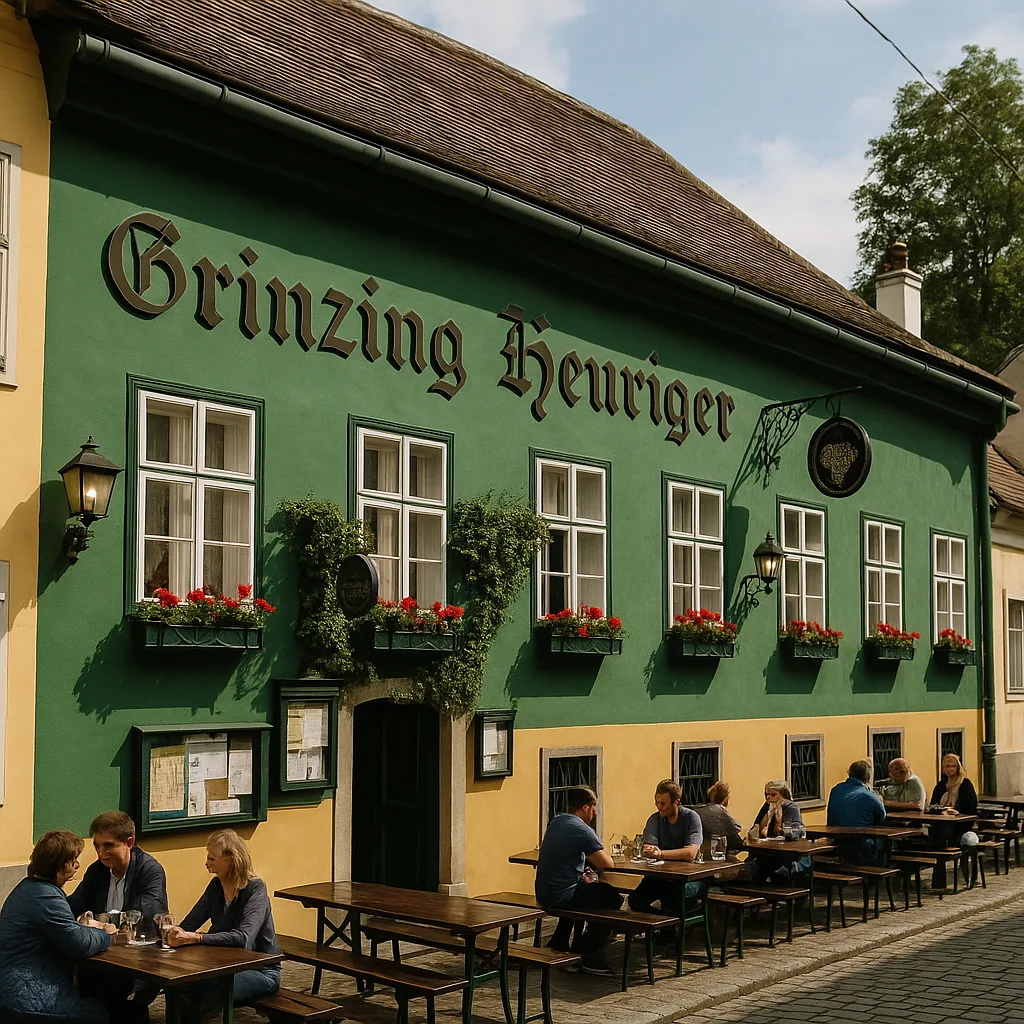
Evening: Grinzing Heuriger
A Heuriger wine tavern in Grinzing or Nussdorf (tram 38 or D, 30 minutes) for a quarter-litre of the year's Wiener Gemischter Satz and a plate from the buffet under the vines, back on the last tram at midnight.
Day 3: The Naschmarkt, the MuseumsQuartier and the Prater
Morning: Naschmarkt & Mariahilf
The Naschmarkt from 9am (closed Sunday): Turkish and Viennese stalls, olives, cheese and a Käsekrainer sausage for breakfast, with the Saturday flea market at the Kettenbrückengasse end; then the Secession building's Beethoven Frieze across the road.
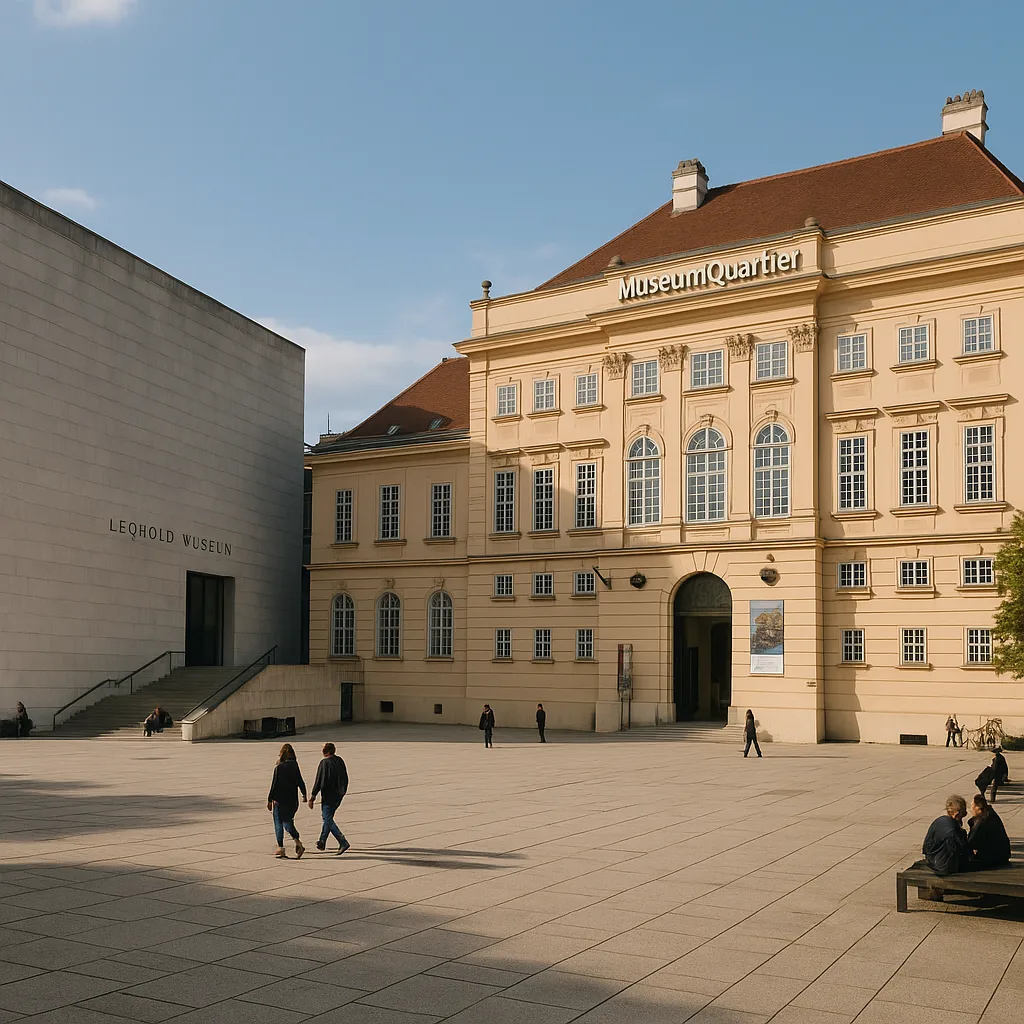
Afternoon: MuseumsQuartier
The MuseumsQuartier for the Leopold Museum's Schiele collection or the mumok, a coffee in the courtyard, then apfelstrudel at a traditional Konditorei such as Demel on Kohlmarkt.
Evening: Prater
The Prater: the Wiener Riesenrad's 1897 cabins at sunset (about €14), a beer in the Schweizerhaus garden under the chestnut trees (March to October), and a walk down the 4.4 km Hauptallee, then a last Melange in a coffeehouse that stays open late, such as Café Sperl.
Plan this trip — get a personalized day-by-day Vienna itinerary with drive times, restaurant picks and a packing list.
Vienna Travel Tips
- Get the Vienna City Card for unlimited public transport and museum discounts
- Viennese coffeehouses are not just for coffee — they're a social institution where you can sit for hours over one Melange
- Standing room tickets at the State Opera (€13–€18) are one of Europe's great cultural bargains — buy online at 10am on the day or queue 80 minutes before the performance
- Most major museums are free on certain holidays and evenings — check schedules
- The Naschmarkt Saturday market includes a lively flea market section excellent for antiques
Vienna FAQ
When is the best time to visit Vienna?
April to June and September to October offer ideal weather for sightseeing. December is magical for Vienna's Christmas markets (among Europe's finest). July and August are warm but increasingly crowded. January and February are very cold but opera season is in full swing.
How much does a day in Vienna cost?
Plan on an average daily budget of $100–$180/day in Vienna. The local currency is the Euro (€).
How do I get around Vienna?
Get the Vienna City Card for unlimited public transport and museum discounts.
What are the top things to do in Vienna?
Top attractions in Vienna include Schönbrunn Palace, Kunsthistorisches Museum, Vienna State Opera (Staatsoper), Belvedere Palace & Gardens and St. Stephen's Cathedral (Stephansdom). Vienna is best for music, art, history and food.
What should I eat in Vienna?
Must-try food in Vienna includes Wiener Schnitzel at Figlmüller, Sachertorte at Hotel Sacher, Viennese breakfast (Kipferl and coffee) at Café Central and Tafelspitz (boiled beef in broth) at Plachutta.
Similar Destinations to Vienna
- More in Europe → Which cities for a first trip, a 12-day London, Paris and Rome route by Eurostar and one flight, rail passes, ETIAS and Schengen rules, seasons and daily budgets.