Things to Do in Barcelona, Spain
Gaudí's Playground on the Mediterranean
- Average daily budget
- $90–$160/day
- Currency
- Euro (€)
- Language
- Catalan / Spanish
- Best for
- Architecture, Beaches, Food, Nightlife
About Barcelona
Barcelona is a city of unapologetic beauty and exuberant energy, where world-class architecture, a legendary food scene, Mediterranean beaches, and an infectious joie de vivre combine into something truly irresistible. Gaudí's surreal masterpieces rise at every turn, the Ramblas buzz day and night, and the Gothic Quarter's labyrinthine lanes hide the city's most atmospheric bars and restaurants. Barcelona manages the enviable trick of being simultaneously a world-famous tourist destination and an intensely local city that Barcelonans genuinely love.
Top Attractions in Barcelona
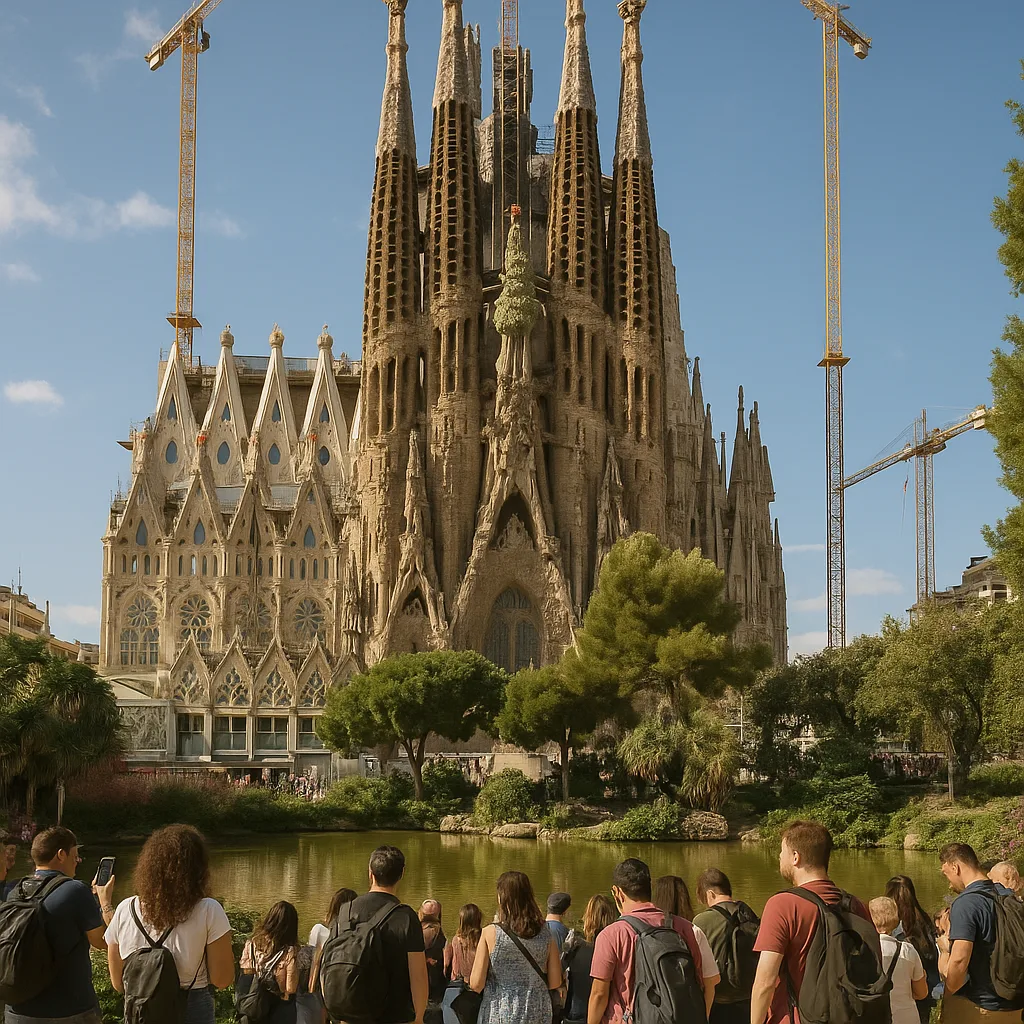
Sagrada Família
Gaudí's unfinished Gothic-Art Nouveau basilica is one of architecture's greatest ongoing projects, under construction since 1882 and due to complete around 2026. Book tickets weeks in advance — they always sell out.
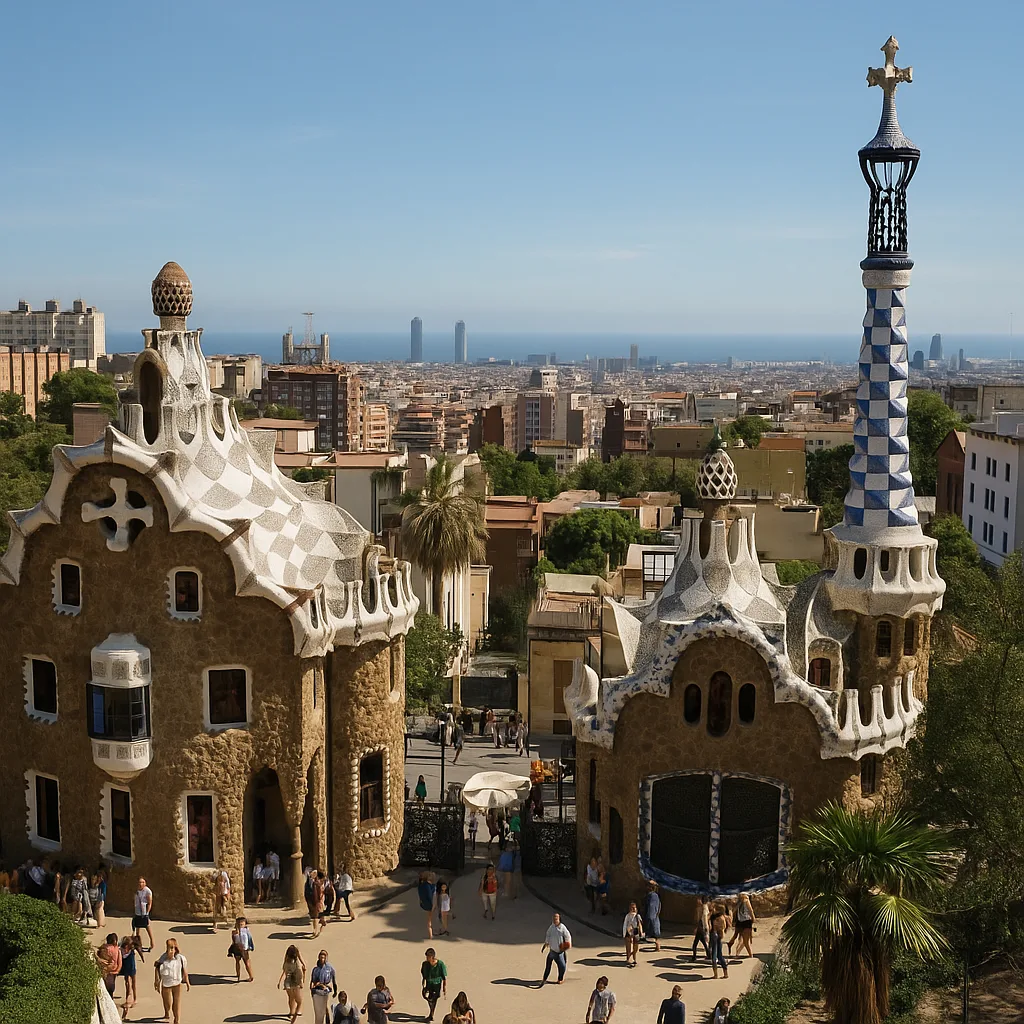
Park Güell
Gaudí's mosaic-tiled park offers city views from its terrace and houses the famous multi-colored salamander (el drac). Book the Monumental Zone tickets well in advance.
Gothic Quarter (Barri Gòtic)
Barcelona's old city core contains 2,000 years of layered history — Roman walls, a medieval cathedral, and narrow lanes connecting excellent tapas bars, boutique shops, and hidden plazas.
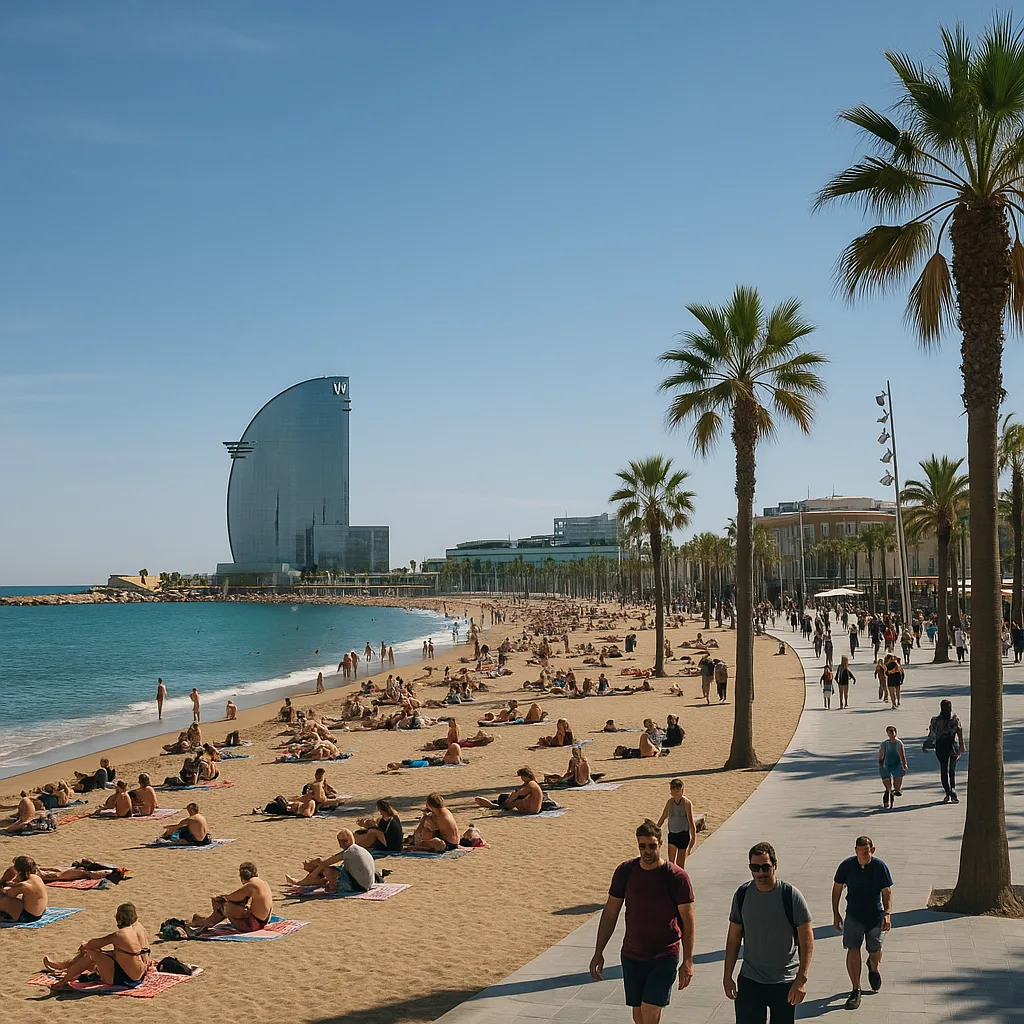
La Barceloneta Beach
Barcelona's main city beach offers a full Mediterranean experience: volleyball, paddleboats, chiringuitos (beach bars), and refreshing paella just meters from the sand.
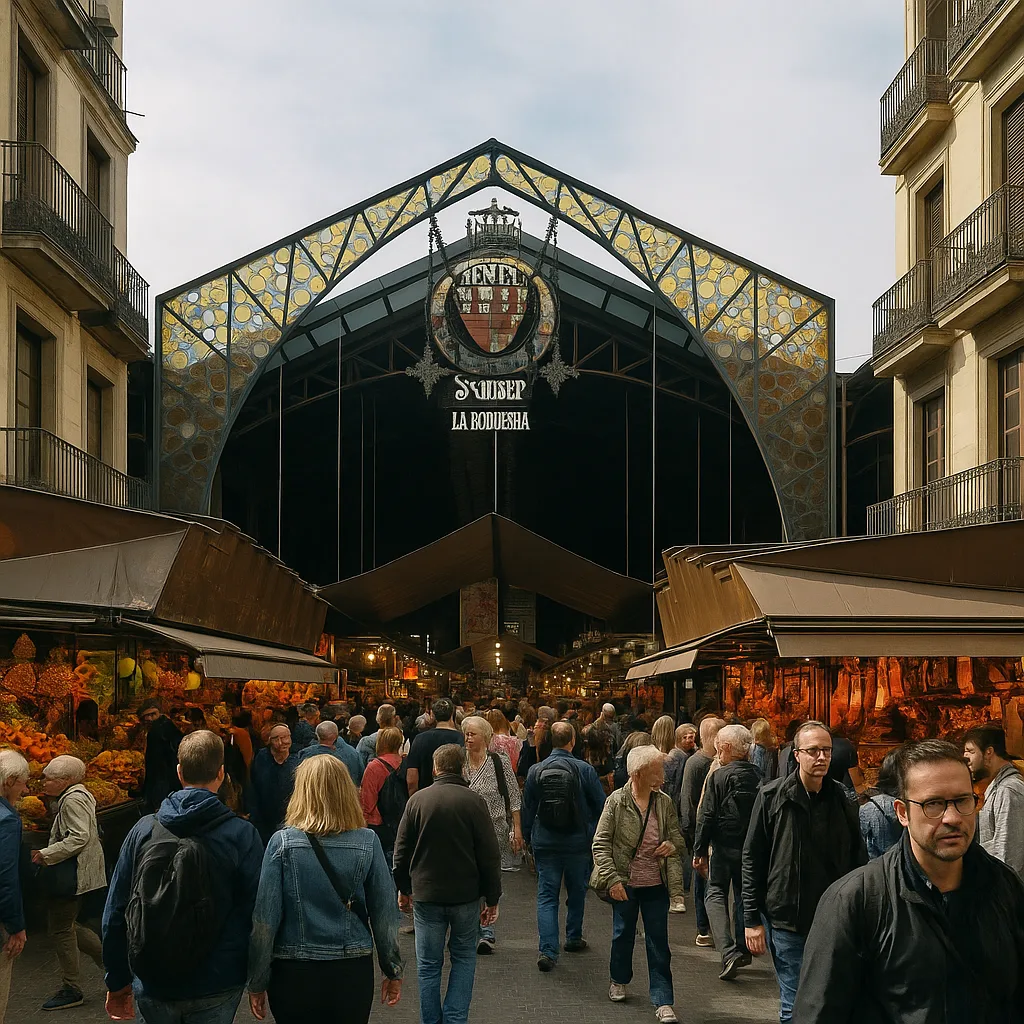
La Boqueria Market
The most famous market on La Rambla is a theatrical showcase of Catalan produce: jamón, fresh seafood, fruit, and the city's best tapas at the market counters inside. Arrive early before the tourist crowds.
Casa Batlló & Casa Milà
Gaudí's two most residential masterpieces along Passeig de Gràcia are worth seeing both outside and in — the rooftop terraces and interior spaces are unlike anything else in architecture.
Best Neighborhoods in Barcelona
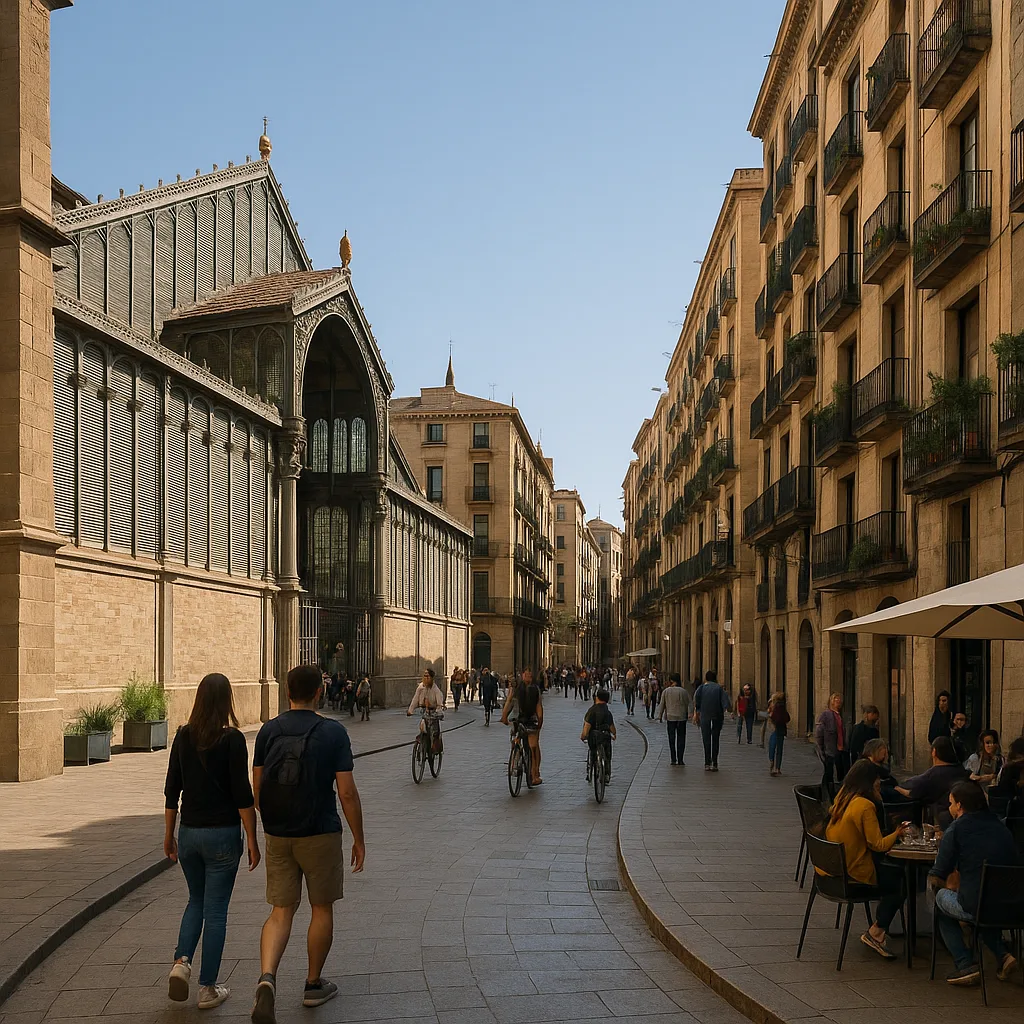
El Born / Sant Pere
Barcelona's hippest neighborhood mixes medieval streets with art galleries, cocktail bars, independent fashion designers, and the beautiful Santa Maria del Mar church.
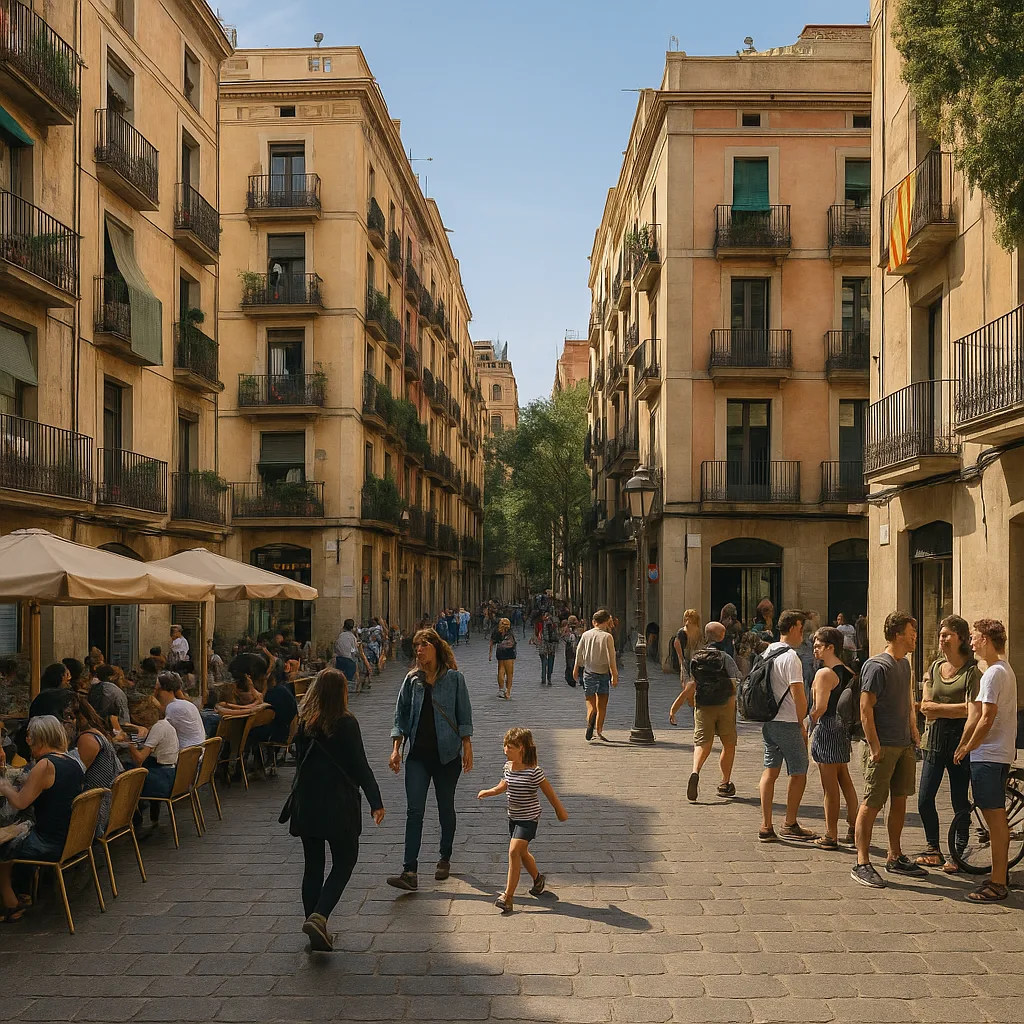
Gràcia
A bohemian village-within-a-city with a thriving local culture, charming plazas, and some of the best value restaurants in Barcelona. A local favorite far from the tourist centers.
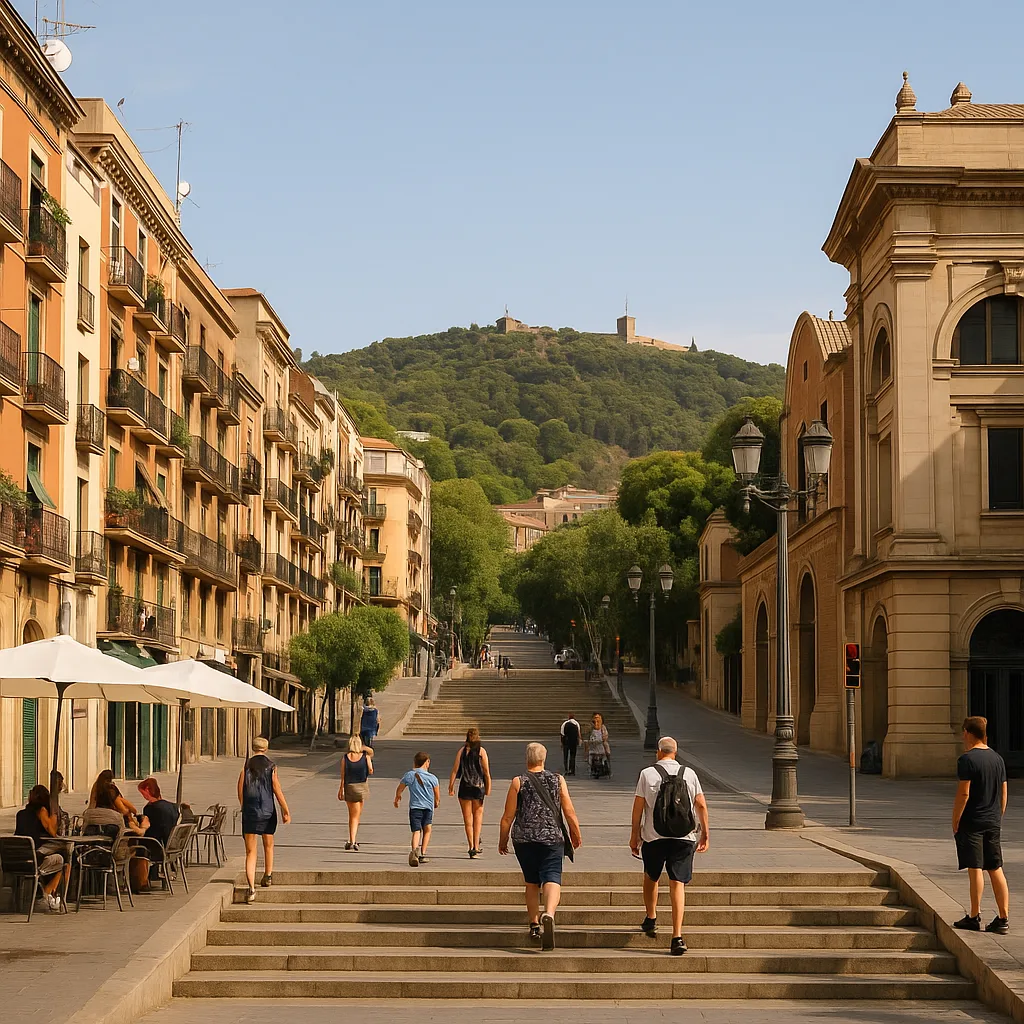
Poble Sec & Montjuïc
Poble Sec's Carrer de Blai is Barcelona's famous pintxos street. Above it, Montjuïc hill houses two world-class art museums, an Olympic stadium, and a castle with sweeping harbor views.
What to Eat in Barcelona
- Pan con tomate (tomato bread — the Catalan staple)
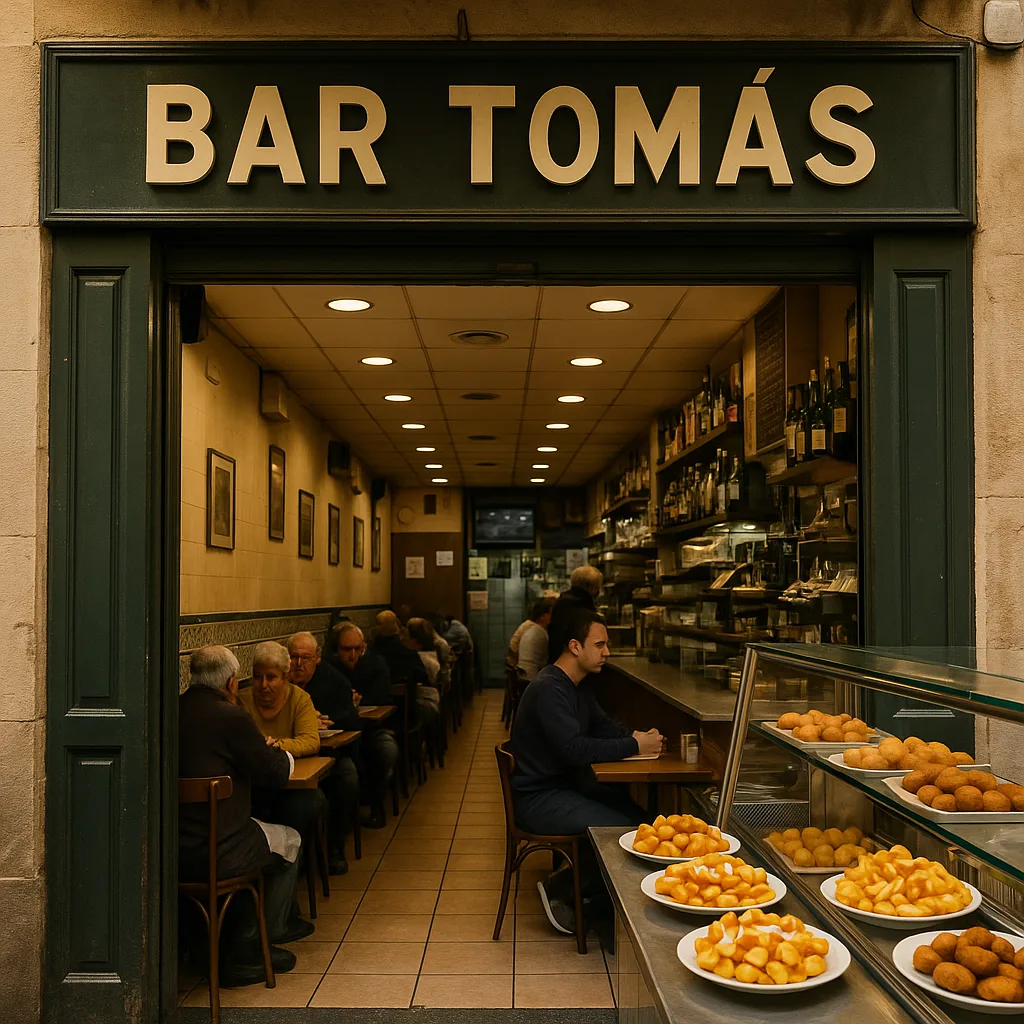
- Patatas bravas at Bar Tomás in Sarrià
- Seafood paella at La Barceloneta
- Jamón Ibérico at Quimet i Quimet
- Crema catalana
- Pintxos on Carrer de Blai
Best Time to Visit Barcelona
May, June, September, and October offer warm but comfortable weather and less congestion than peak summer. July and August are extremely hot and crowded but festive. Spring also means Barcelona's famous festival season including Sant Jordi (April 23).
Getting to and Around Barcelona
El Prat airport is 15 km southwest: the Aerobús runs to Plaça de Catalunya every 5–10 minutes in 35 minutes for about €7.25, the R2 Nord train from Terminal 2 reaches Passeig de Gràcia in 25 minutes on a normal Zone 1 ticket, and the L9 Sud metro needs a €5.70 airport ticket. A taxi is €35–€45 including the airport supplement. The metro runs 5am to midnight, until 2am on Fridays and all night on Saturdays; the T-Casual card gives ten Zone 1 journeys for about €12.15. The city is built for walking: the Gothic Quarter, El Born and La Barceloneta are all within 20 minutes of Plaça de Catalunya, and Casa Batlló and Casa Milà on Passeig de Gràcia are 10 minutes north. The funicular from Paral·lel station and the Montjuïc cable car (about €15.50 return) reach the hill. Bicing is for residents, but rental e-bikes cost €15–€25 a day. Park Güell is uphill in Gràcia: take the L3 to Lesseps and the escalators, or bus 24 from Plaça de Catalunya to the gate.
Where to Stay in Barcelona
The Eixample, especially the blocks between Passeig de Gràcia and Rambla de Catalunya, is the easiest base: wide safe streets, Gaudí on the corner and hotels at €150–€280 a night in May, June, September and October. The Gothic Quarter and El Born put you in the medieval lanes at €120–€250, but light sleepers should ask for an interior room. Gràcia is the local favourite, with small hotels and apartments at €100–€180 and the best-value restaurants around Plaça del Sol. Poble Sec is cheaper still at €90–€160 with the Carrer de Blai pintxos bars and the Montjuïc museums on foot. La Barceloneta rentals are close to the beach but noisy in summer. Barcelona charges a tourist tax of roughly €4–€7 a night depending on hotel category, and the city is phasing out short-term apartment licences, so book hotels or apartments that show a valid HUTB licence number.
3 Days in Barcelona: A Sample Itinerary
Every stop below is one of the places named in this guide. Use it as a starting point, or let the planner build a version around your dates, pace and budget.
Day 1: Gaudí from the Sagrada Família to Park Güell
Morning: Sagrada Família
Sagrada Família at the 9am opening with a tower ticket, then the 30-minute walk down Carrer de Mallorca to Passeig de Gràcia for Casa Batlló and Casa Milà (pick one interior; both roofs are worth it).
Afternoon: Park Güell
A menú del día lunch in the Eixample, then bus 24 to Park Güell for a late-afternoon Monumental Zone slot as the light turns gold over the city.
Evening: Gràcia
Dinner in Gràcia around Plaça del Sol, where the tables spill onto the square.
Day 2: The old city and the sea
Morning: La Boqueria Market
La Boqueria Market at 8am for a counter breakfast before the crowds, then the Gothic Quarter: the cathedral cloister, Plaça del Rei and the Roman walls.
Afternoon: La Barceloneta Beach
El Born for Santa Maria del Mar and the Picasso Museum, then walk to La Barceloneta Beach for a swim and seafood paella at a chiringuito.
Evening: Poble Sec & Montjuïc
Quimet i Quimet in Poble Sec for jamón Ibérico montaditos and vermouth (it closes early), then a pintxos crawl along Carrer de Blai.
Day 3: Montjuïc and the Bunkers
Morning: Poble Sec & Montjuïc
Funicular from Paral·lel to Montjuïc for the Fundació Joan Miró and the Romanesque frescoes of the MNAC, then the Olympic stadium.
Afternoon: Bar Tomás
The cable car up to Montjuïc Castle for the harbour view, then the FGC train to Sarrià for patatas bravas at Bar Tomás.
Evening: El Born / Sant Pere
Sunset at the Bunkers del Carmel above Gràcia, then crema catalana after a last tapas dinner in El Born.
Plan this trip — get a personalized day-by-day Barcelona itinerary with drive times, restaurant picks and a packing list.
Barcelona Travel Tips
- Book Sagrada Família tickets at least 2–4 weeks ahead — they sell out constantly
- Beware pickpockets on La Rambla and in the Gothic Quarter tourist areas
- Lunch (1–4pm) is the main meal — restaurants serve a bargain menú del día (starter, main, dessert, wine) for €12–15
- The T-Casual metro card gives 10 journeys for a fraction of single-ticket prices
- Locals eat dinner very late — restaurants fill up from 9pm onwards
Barcelona FAQ
When is the best time to visit Barcelona?
May, June, September, and October offer warm but comfortable weather and less congestion than peak summer. July and August are extremely hot and crowded but festive. Spring also means Barcelona's famous festival season including Sant Jordi (April 23).
How much does a day in Barcelona cost?
Plan on an average daily budget of $90–$160/day in Barcelona. The local currency is the Euro (€).
How do I get around Barcelona?
The T-Casual metro card gives 10 journeys for a fraction of single-ticket prices.
What should I know about safety and etiquette in Barcelona?
Beware pickpockets on La Rambla and in the Gothic Quarter tourist areas.
What are the top things to do in Barcelona?
Top attractions in Barcelona include Sagrada Família, Park Güell, Gothic Quarter (Barri Gòtic), La Barceloneta Beach and La Boqueria Market. Barcelona is best for architecture, beaches, food and nightlife.
Similar Destinations to Barcelona
- More in Europe → Which cities for a first trip, a 12-day London, Paris and Rome route by Eurostar and one flight, rail passes, ETIAS and Schengen rules, seasons and daily budgets.