Things to Do in Reykjavik, Iceland
Northern Lights, Geothermal Wonders, and the World's Most Dramatic Landscapes
- Average daily budget
- $150–$280/day
- Currency
- Icelandic Króna (ISK)
- Language
- Icelandic
- Best for
- Nature, Northern Lights, Adventure, Photography
About Reykjavik
Iceland is one of the world's most otherworldly destinations — a country shaped by volcanic fire and glacial ice where you can watch the Northern Lights from a hot tub, hike across black lava fields, explore ice caves in a glacier, and watch geysers erupt on schedule. Reykjavik, the world's northernmost capital, is a compact, walkable city of colorful corrugated-iron houses, excellent seafood restaurants, and some of the liveliest bars in the Nordic countries. Whether you're chasing the Aurora Borealis in winter or hiking under the midnight sun in summer, Iceland delivers experiences unlike anywhere on Earth.
Top Attractions in Reykjavik
Northern Lights (Aurora Borealis)
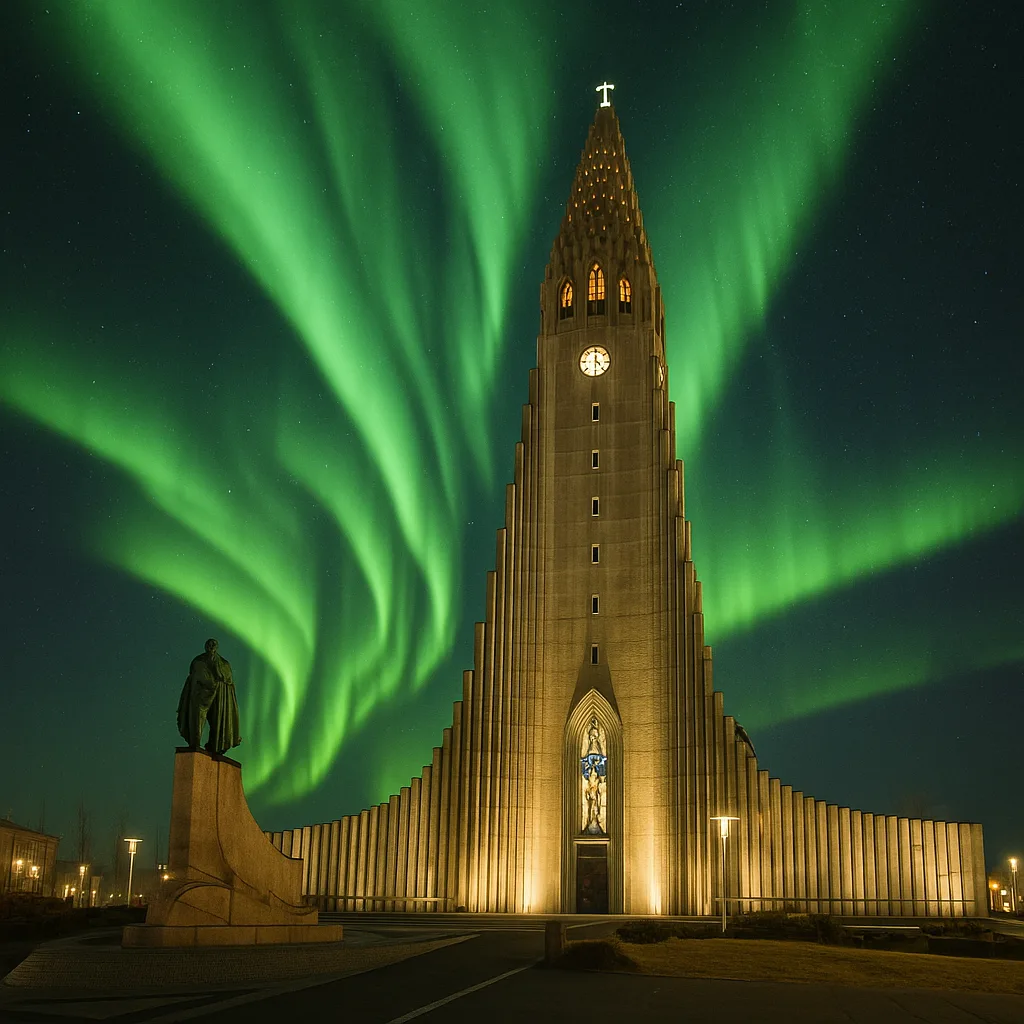
Iceland is one of the world's best places to see the Northern Lights, visible from late August to mid-April on clear, dark nights. Drive outside Reykjavik for maximum visibility, or join a guided tour for expert aurora prediction assistance.
Golden Circle
Iceland's most famous day-trip route covers three unmissable natural wonders: Þingvellir National Park (where tectonic plates meet), Geysir hot spring area (where Strokkur erupts every 5–10 minutes), and Gullfoss waterfall.
Blue Lagoon
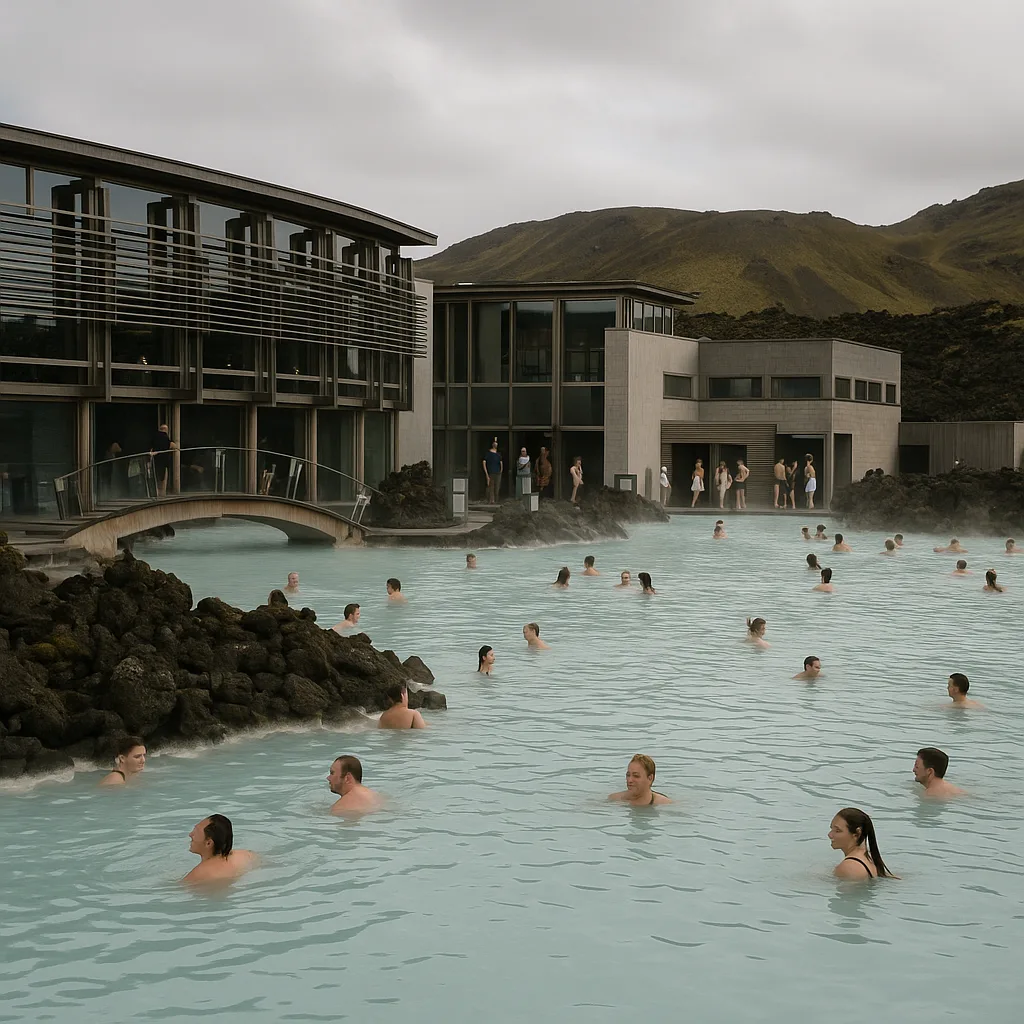
The world's most famous geothermal spa — a milky-blue pool of mineral-rich seawater at 38°C surrounded by black lava. Book well in advance; it sells out, and since late 2023 it has closed at short notice during eruptions on the Reykjanes peninsula, so check the day before and keep Sky Lagoon in Kópavogur as the backup.
South Coast & Jökulsárlón Glacier Lagoon
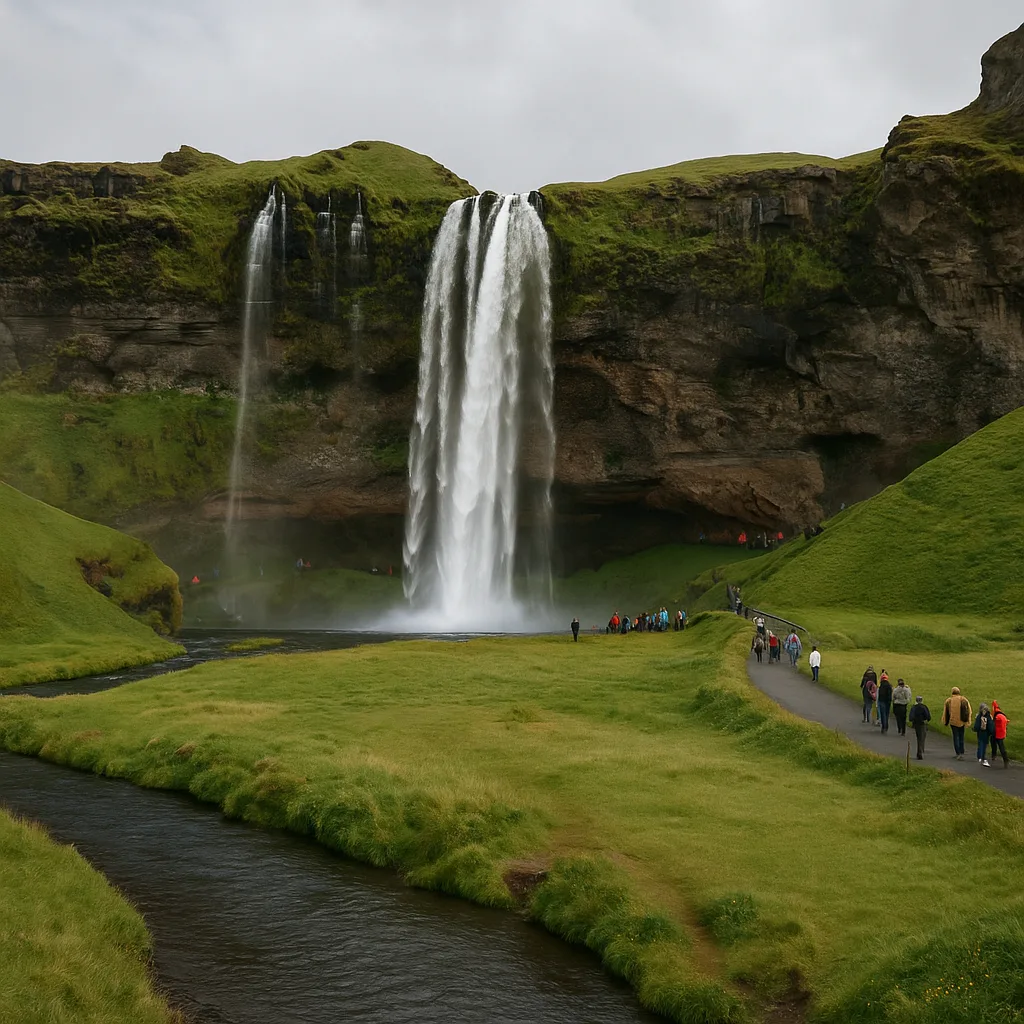
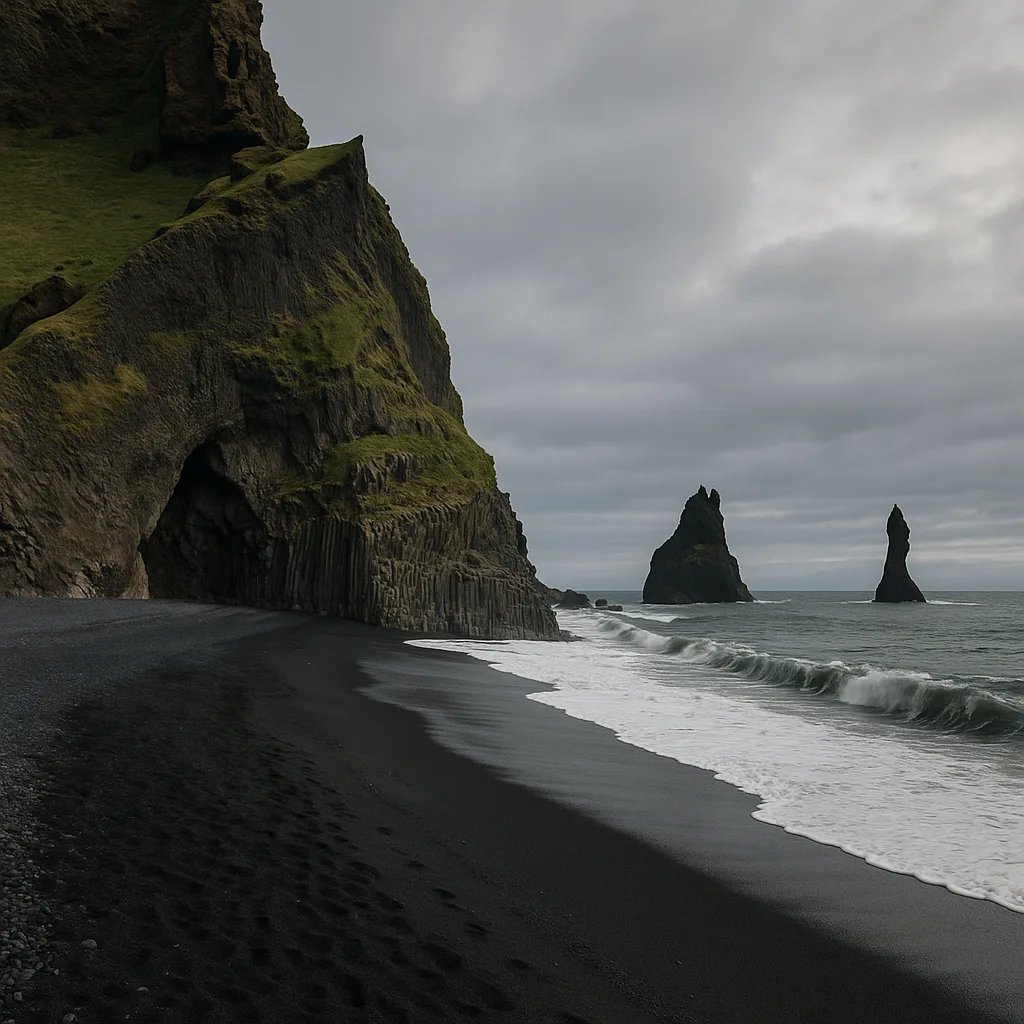
A drive along Iceland's south coast visits Seljalandsfoss waterfall (walk behind it), Skógafoss and the black sand of Reynisfjara beach near Vík; with an overnight stop, or on a 14-hour tour, it continues to the extraordinary Jökulsárlón glacier lagoon, 380 km from Reykjavik, where icebergs calve from Vatnajökull glacier.
Snæfellsnes Peninsula
The 'Iceland in miniature' — one peninsula contains a glacier, a volcano (the destination of Jules Verne's Journey to the Center of the Earth), lava tubes, bird cliffs, and charming fishing villages.
Best Neighborhoods in Reykjavik
Reykjavik Downtown (101)
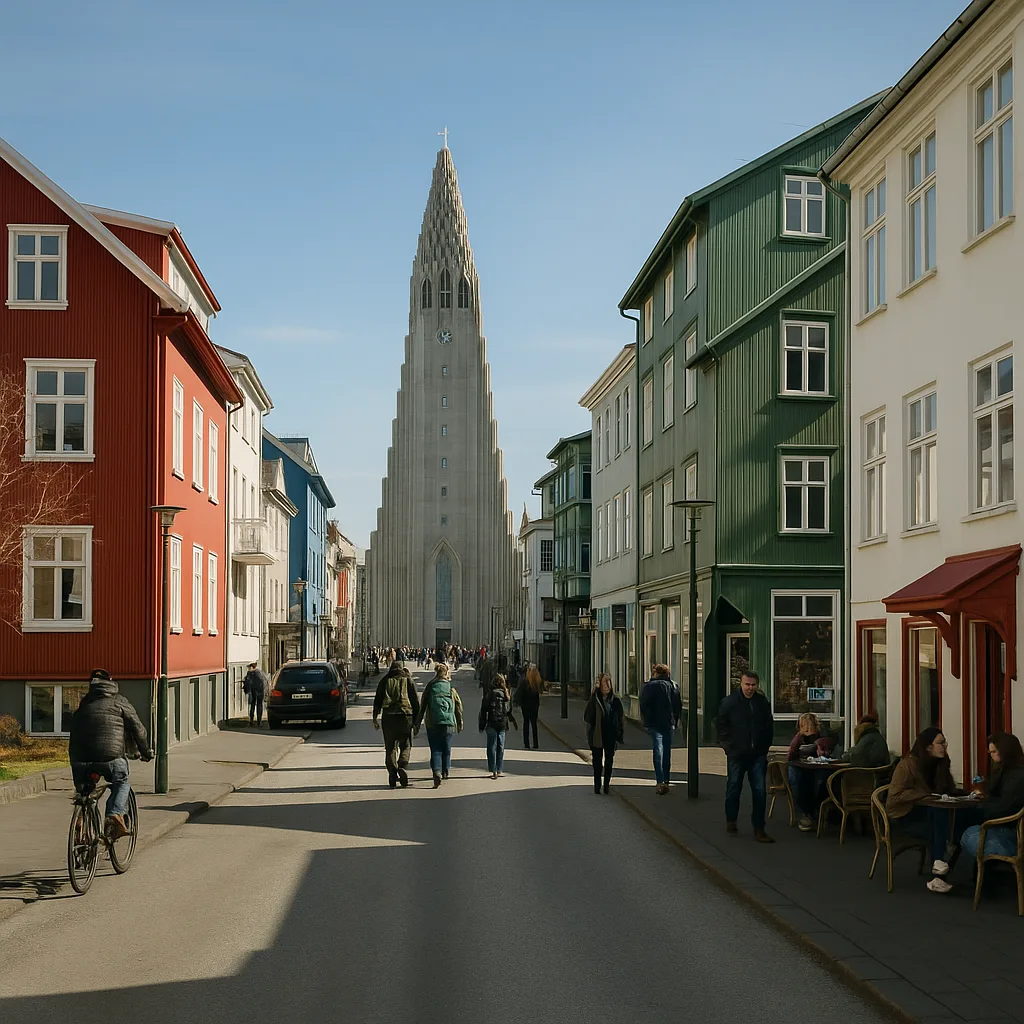
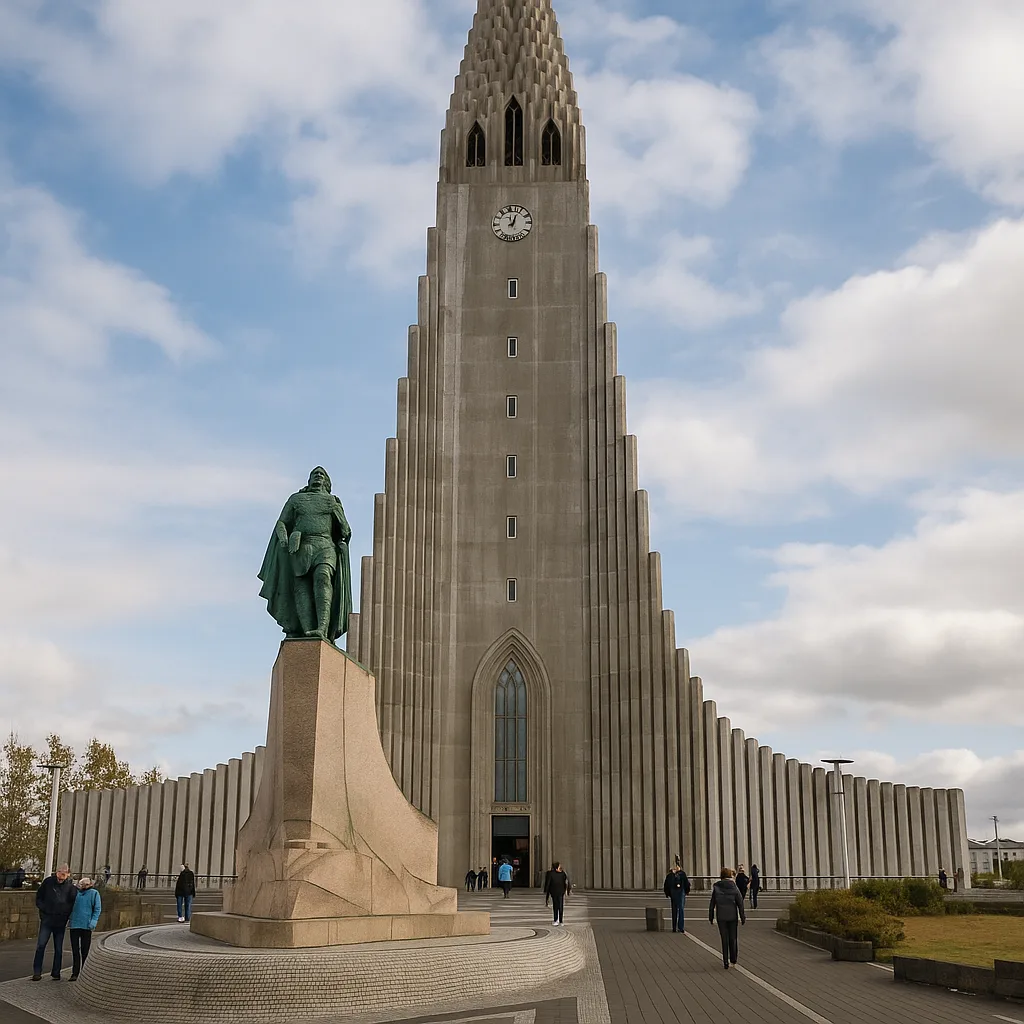
Iceland's compact capital center has the iconic Hallgrímskirkja church, excellent seafood restaurants along Austurstræti, a vibrant weekend nightlife scene, and excellent museums.
The Old Harbour
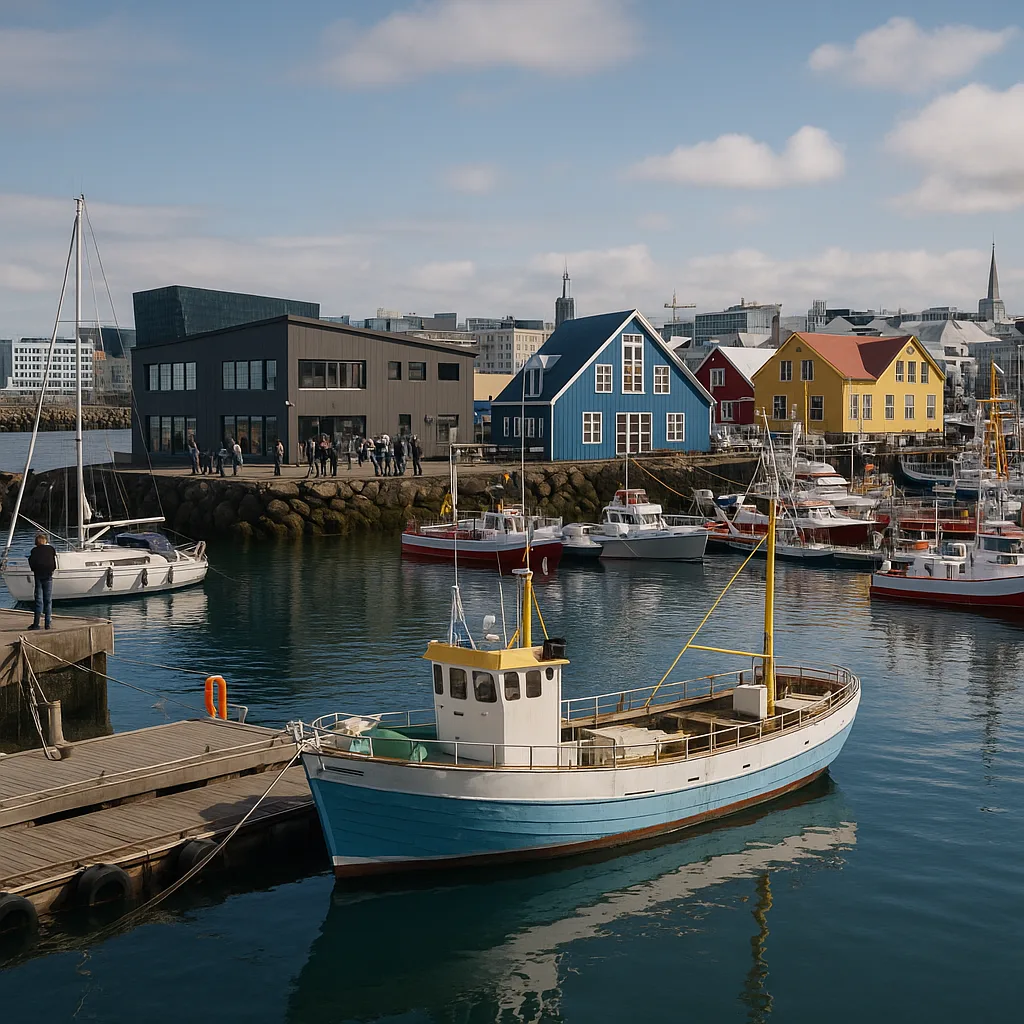
Reykjavik's renovated waterfront district has whale-watching tour boats, the Reykjavik Maritime Museum, several excellent restaurants, and the spectacular Harpa Concert Hall.
What to Eat in Reykjavik
- Skyr (Icelandic dairy) at any grocery store
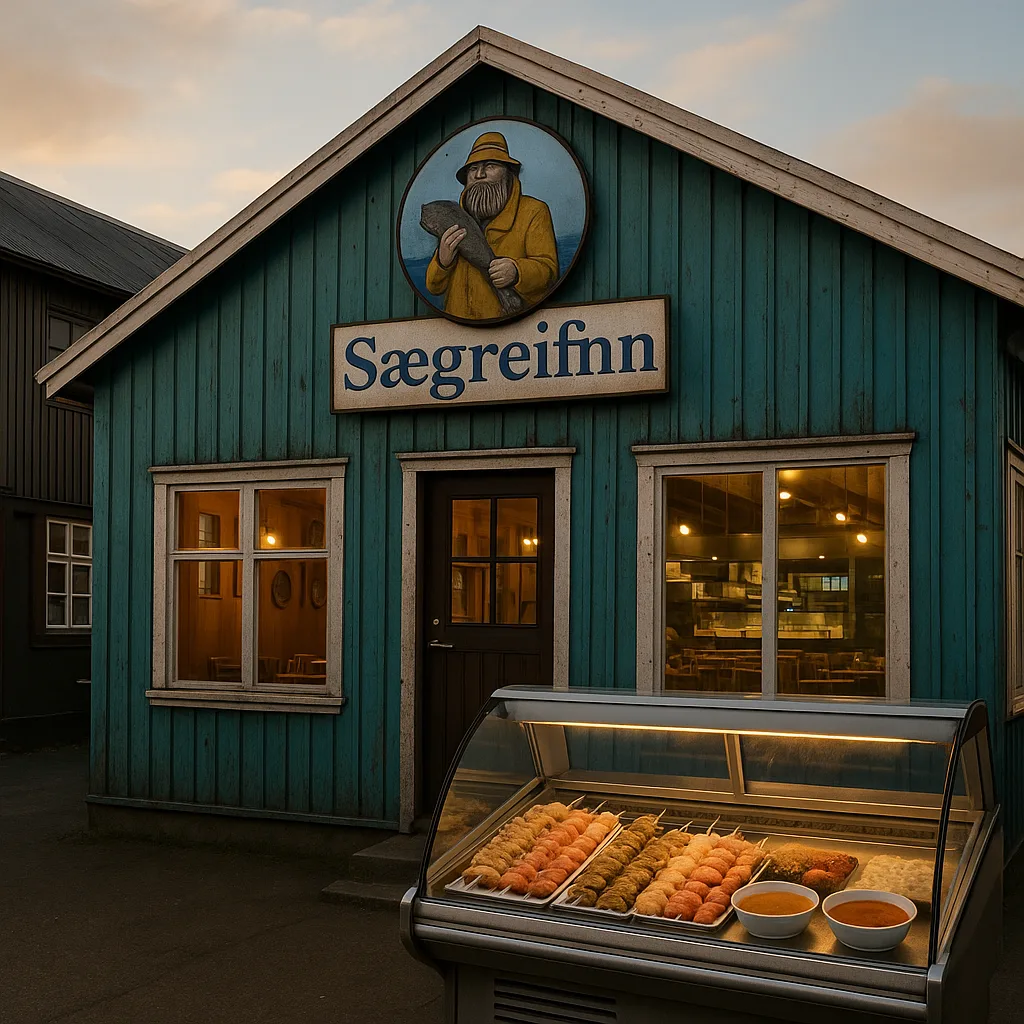
- Langoustine soup at Sægreifinn (Sea Baron)
- Icelandic lamb at Grillmarkaðurinn
- Hot dog from Bæjarins Beztu Pylsur (with everything)
- Kleinur (twisted Icelandic doughnuts)
- Fermented shark (hákarl) for the brave — a truly unique experience
Best Time to Visit Reykjavik
June to August brings midnight sun, green landscapes, and all attractions accessible. September to March offers Northern Lights, snow, and ice caves — but highland roads are closed and weather is harsh. April–May and September–October are shoulder seasons with good balance of conditions.
Getting to and Around Reykjavik
Keflavík (KEF) is 50 km southwest of Reykjavik with no train: the Flybus and Airport Direct coaches meet every flight and take 45–50 minutes to the BSÍ terminal for about ISK 4,500–5,000 each way (ISK 5,500–6,500 with hotel drop-off), the Strætó public bus 55 costs about ISK 2,000 but runs only a few times a day, and a taxi is a painful ISK 20,000–25,000. Many Blue Lagoon transfers go straight from the airport with luggage storage. Reykjavik itself is small: everything in 101 sits within a 25-minute walk of Hallgrímskirkja, and the yellow Strætó city buses (about ISK 650–700 a ride through the Klappið app; no cash on board) cover the outer districts and the Sky Lagoon. For everything else you drive or join a tour. Rental cars run ISK 8,000–15,000 a day in summer and less in winter, when a 4x4 with studded tyres is worth the premium; Route 1 and the Golden Circle roads are paved and plowed, but check road.is and vedur.is every morning from October to April, since wind, not snow, closes roads and rips car doors off their hinges. Fuel is about ISK 320 a litre and most stations are pay-at-pump with a PIN card. Golden Circle tours from Reykjavik cost ISK 10,000–15,000, south coast day tours ISK 15,000–20,000 and northern lights hunts ISK 8,000–12,000, most with free rebooking if the sky does not cooperate. Parking in the centre is paid from 9am to 6pm; the Vesturbær and Harpa garages are the easiest. Domestic flights to Akureyri leave from the city airport, 10 minutes from downtown.
Where to Stay in Reykjavik
Stay in 101, the postcode of Reykjavik Downtown, and you can walk to everything: hotels on and around Laugavegur and Hverfisgata run ISK 30,000–50,000 (roughly $210–$360) a night in summer and 30–40% less from November to March, with Hallgrímskirkja, the bars and the tour pick-up points on foot. The Old Harbour, ten minutes' walk west, has some of the newest hotels and the best-value apartments at ISK 25,000–40,000, beside the whale-watching boats and the fish restaurants of Grandi. Hostels and guesthouses (KEX, Loft, the Bus Hostel by BSÍ) are the budget answer at ISK 6,000–9,000 a dorm bed and ISK 18,000–28,000 for a private room with shared bathroom, and most have kitchens, which matters when a restaurant main course costs ISK 5,000–7,000. Apartments with kitchens in Vesturbær and Hlíðar are quieter and often cheaper than hotels for four nights or more. Families and drivers can look to Hafnarfjörður or Garðabær on the way to the airport for ISK 20,000 rooms with free parking. The northern lights are hard to see from the lit city centre, so a night in a countryside guesthouse near Selfoss or Hella, or a south coast overnight in Vík, doubles your chances. Book June to August at least three months ahead; Iceland has more visitors than beds in summer.
3 Days in Reykjavik: A Sample Itinerary
Every stop below is one of the places named in this guide. Use it as a starting point, or let the planner build a version around your dates, pace and budget.
Day 1: Reykjavik on foot
Morning: Reykjavik Downtown (101)
Hallgrímskirkja's tower at its 9am opening (about ISK 1,400) for the view over the coloured rooftops, then Reykjavik Downtown along Skólavörðustígur and Laugavegur, with a cinnamon bun at Brauð & Co and a hot dog with everything from Bæjarins Beztu Pylsur by the harbour.
Afternoon: The Old Harbour
The Old Harbour for a 1pm whale-watching trip (3 hours, about ISK 13,000; minke and humpback whales are most likely from April to October), then the Harpa concert hall's glass facade and the Sun Voyager sculpture on the shore path.
Evening: Sægreifinn
Langoustine soup at Sægreifinn on the harbour, then the swimming pool at Sundhöllin or Laugardalslaug for the hot tubs among locals (about ISK 1,300), and a beer on Laugavegur during the happy hours before 7pm.
Day 2: The Golden Circle and a lagoon
Morning: Golden Circle
Drive or join a tour on the Golden Circle: Þingvellir National Park's rift valley at 9am before the coaches, then Geysir, where Strokkur erupts every 5–10 minutes, and the two-tier Gullfoss waterfall (bring a waterproof).
Afternoon: Blue Lagoon
Lunch on tomato soup in Friðheimar's greenhouse, then the Secret Lagoon at Flúðir on the way back or, if you have booked it, the Blue Lagoon at 5pm as the crowds thin (Comfort ticket from about ISK 12,000; check for Reykjanes eruption closures and use Sky Lagoon as the fallback).
Evening: Northern Lights (Aurora Borealis)
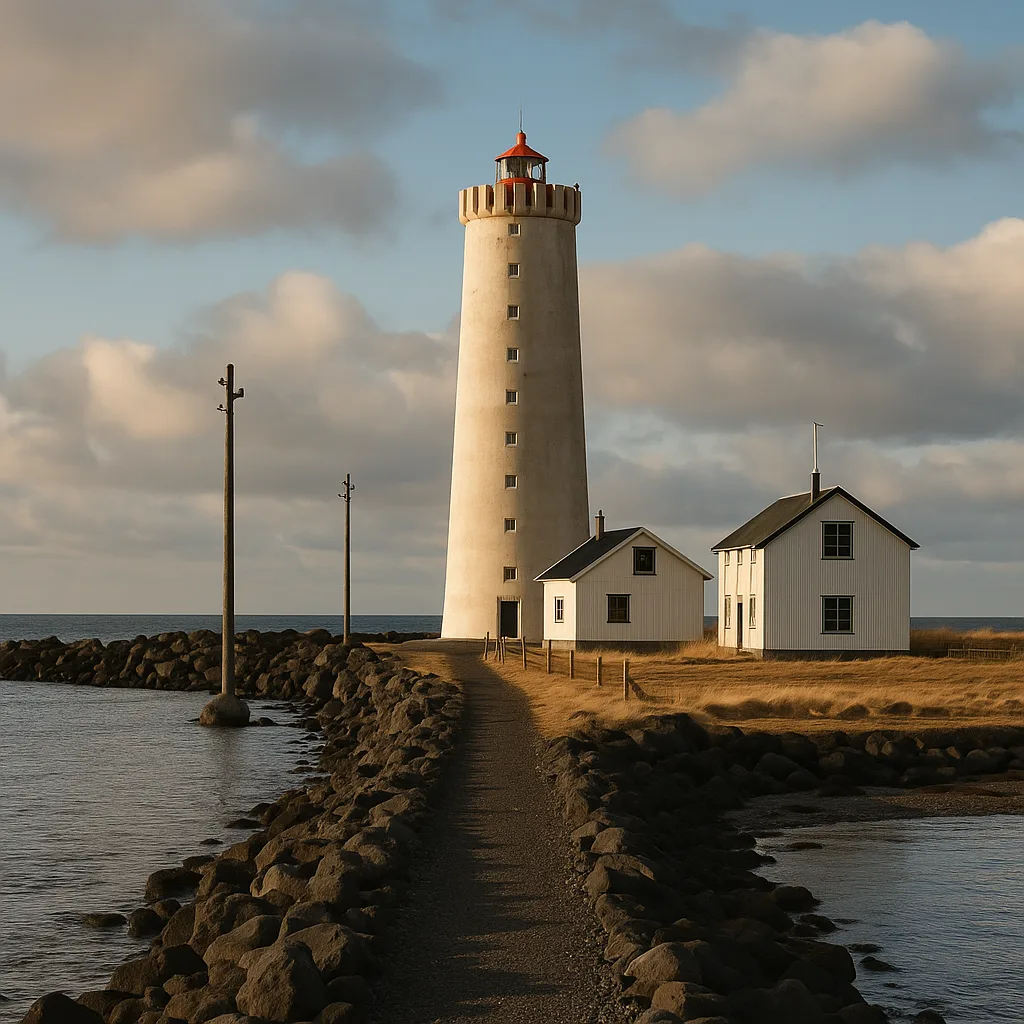
Icelandic lamb at Grillmarkaðurinn (book ahead), then between late August and April a Northern Lights hunt: tours leave at 9pm, or drive 30 minutes to Grótta lighthouse or Þingvellir when the aurora forecast on vedur.is is 3 or higher.
Day 3: The south coast
Morning: Seljalandsfoss
Leave by 7:30am on Route 1 for the South Coast: Seljalandsfoss (walk behind the curtain; 2 hours from the city), then Skógafoss and the 500 steps to its top.
Afternoon: Reynisfjara Beach
Reynisfjara's black sand and basalt columns near Vík (stay well back from the sneaker waves, which have killed visitors), the Dyrhólaey arch, and fish and chips in Vík; with an overnight in Vík, Jökulsárlón Glacier Lagoon and the Diamond Beach are 2.5 hours further east the next morning.
Evening: Grótta Lighthouse
Back in Reykjavik by 8pm for a last dinner in the Old Harbour's Grandi district, or skyr and a kleina from the grocery store, and one more aurora check from the shore path at Grótta.
Plan this trip — get a personalized day-by-day Reykjavik itinerary with drive times, restaurant picks and a packing list.
Reykjavik Travel Tips
- Rent a car — Iceland's Ring Road (Route 1) is best explored on your own schedule
- Book the Blue Lagoon, popular tours, and accommodation well in advance — Iceland is heavily visited year-round
- Iceland is expensive — budget $100–200/day minimum for food and activities
- Weather changes in minutes — always carry waterproofs and layers regardless of the forecast
- Download the Vedur weather app and Safetravel Iceland app before driving in winter months
Reykjavik FAQ
When is the best time to visit Reykjavik?
June to August brings midnight sun, green landscapes, and all attractions accessible. September to March offers Northern Lights, snow, and ice caves — but highland roads are closed and weather is harsh. April–May and September–October are shoulder seasons with good balance of conditions.
How much does a day in Reykjavik cost?
Plan on an average daily budget of $150–$280/day in Reykjavik. The local currency is the Icelandic Króna (ISK).
How do I get around Reykjavik?
Rent a car — Iceland's Ring Road (Route 1) is best explored on your own schedule. Download the Vedur weather app and Safetravel Iceland app before driving in winter months.
What are the top things to do in Reykjavik?
Top attractions in Reykjavik include Northern Lights (Aurora Borealis), Golden Circle, Blue Lagoon, South Coast & Jökulsárlón Glacier Lagoon and Snæfellsnes Peninsula. Reykjavik is best for nature, northern lights, adventure and photography.
What should I eat in Reykjavik?
Must-try food in Reykjavik includes Skyr (Icelandic dairy) at any grocery store, Langoustine soup at Sægreifinn (Sea Baron), Icelandic lamb at Grillmarkaðurinn and Hot dog from Bæjarins Beztu Pylsur (with everything).
Similar Destinations to Reykjavik
- More in Europe → Which cities for a first trip, a 12-day London, Paris and Rome route by Eurostar and one flight, rail passes, ETIAS and Schengen rules, seasons and daily budgets.