Things to Do in Kyoto, Japan
Japan's Ancient Capital — Temples, Geisha, and Timeless Beauty
- Average daily budget
- $80–$160/day
- Currency
- Japanese Yen (¥)
- Language
- Japanese
- Best for
- Culture, Temples, Food, Tradition
About Kyoto
Kyoto is where Japan's soul lives — the country's imperial capital for over a thousand years and home to 17 UNESCO World Heritage Sites, more than 1,600 Buddhist temples, and 400 Shinto shrines. While Tokyo pulses with contemporary energy, Kyoto moves to a different rhythm: the rustling of bamboo groves, the clack of wooden geta sandals on stone paths, the whisper of geiko and maiko in the Gion district's lantern-lit alleys. For travelers seeking Japan's traditional culture at its purest — tea ceremony, Noh theater, temple gardens, seasonal kaiseki cuisine — Kyoto is unmissable.
Top Attractions in Kyoto
Fushimi Inari Taisha
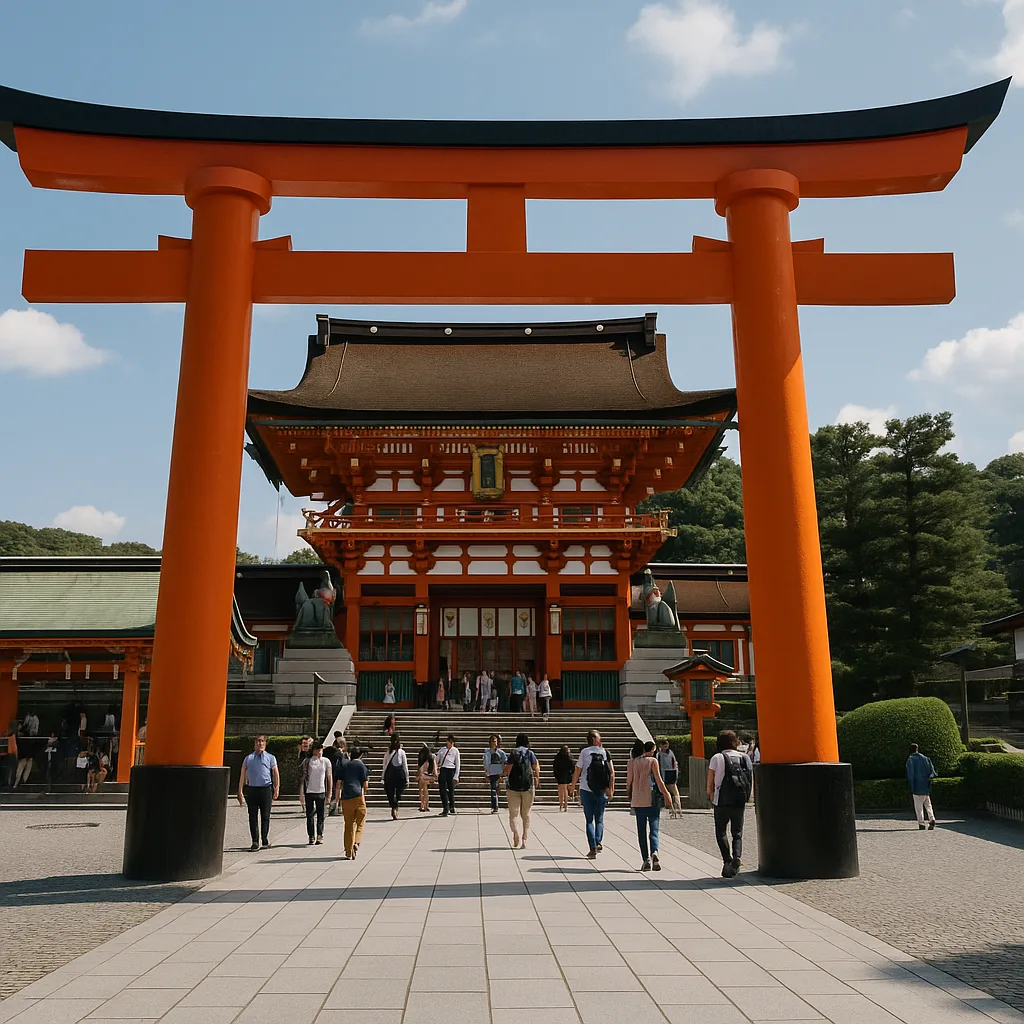
10,000 vermillion torii gates wind 4km up a forested mountain in the most visually striking shrine experience in Japan. Visit at dawn for near-solitude, or hike to the upper shrines where crowds thin dramatically.
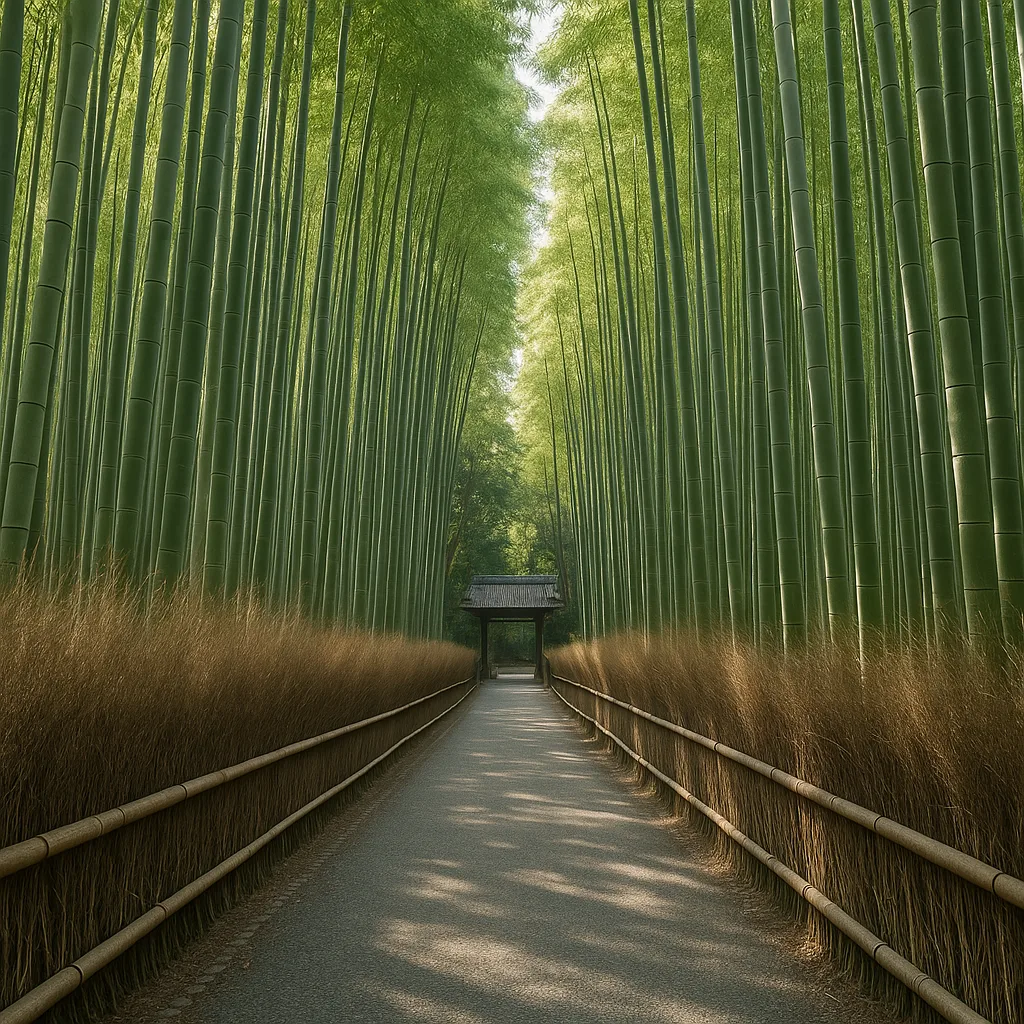
Arashiyama Bamboo Grove
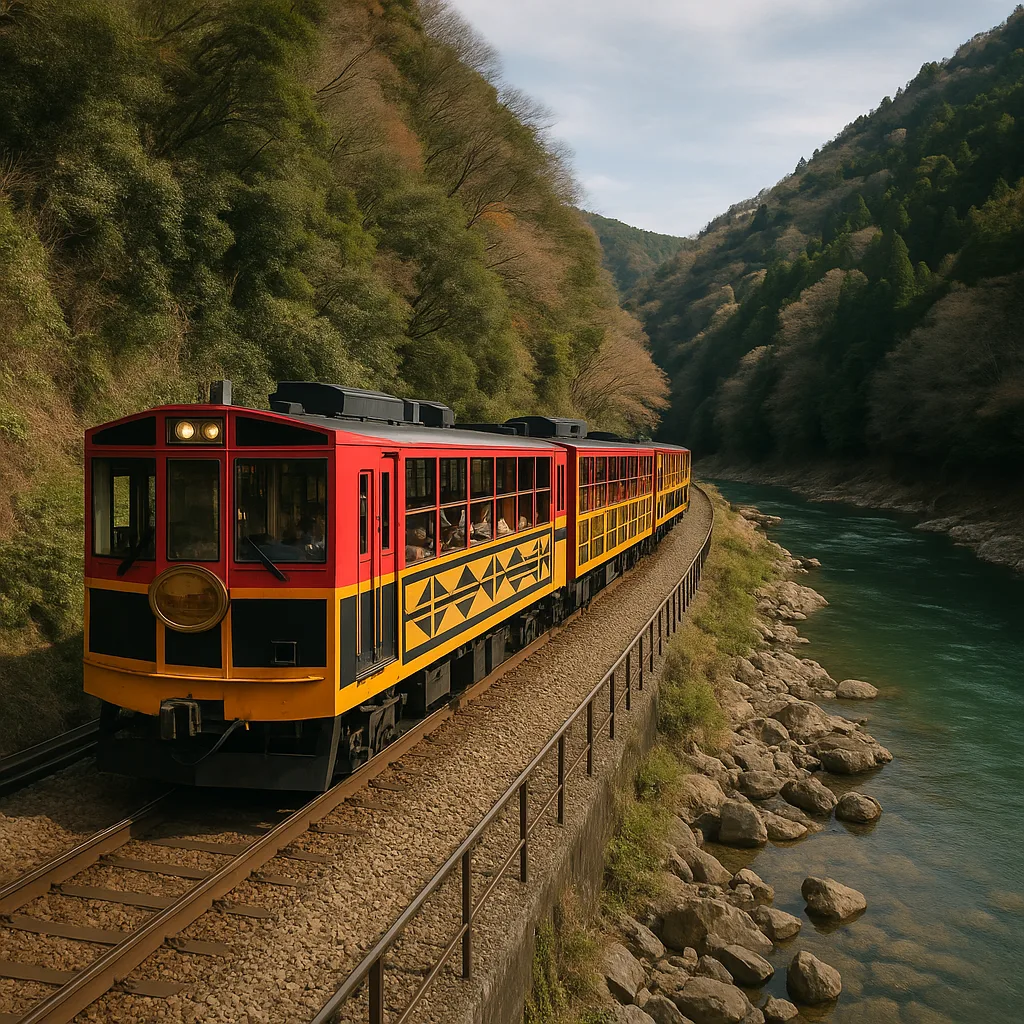
A short walk from Tenryu-ji temple, the otherworldly bamboo forest is most magical in early morning mist. Combine with a katsura river boat ride and the Sagano Scenic Railway for a perfect Arashiyama day.
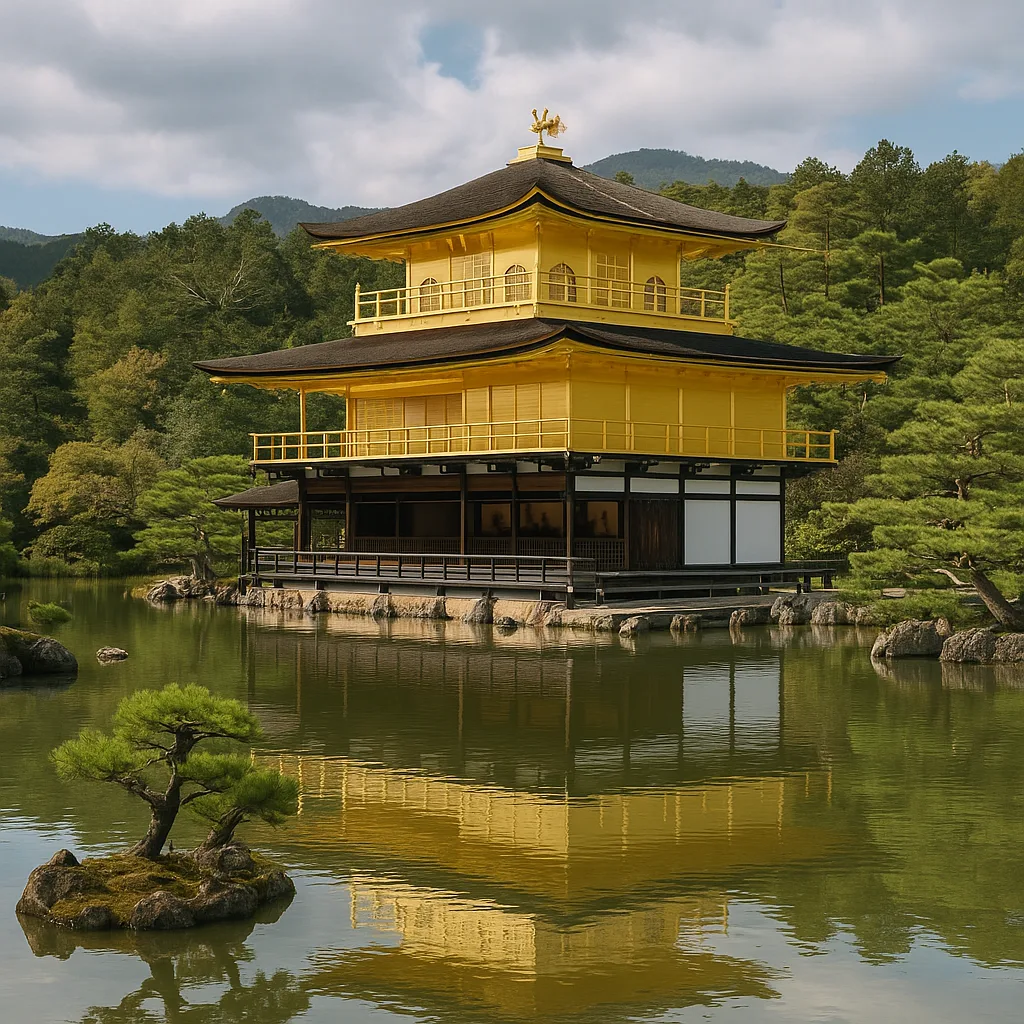
Kinkaku-ji (Golden Pavilion)
The upper two floors of this 14th-century Zen temple are covered entirely in gold leaf, reflected in the surrounding pond — one of Japan's most extraordinary architectural sights.
Gion District
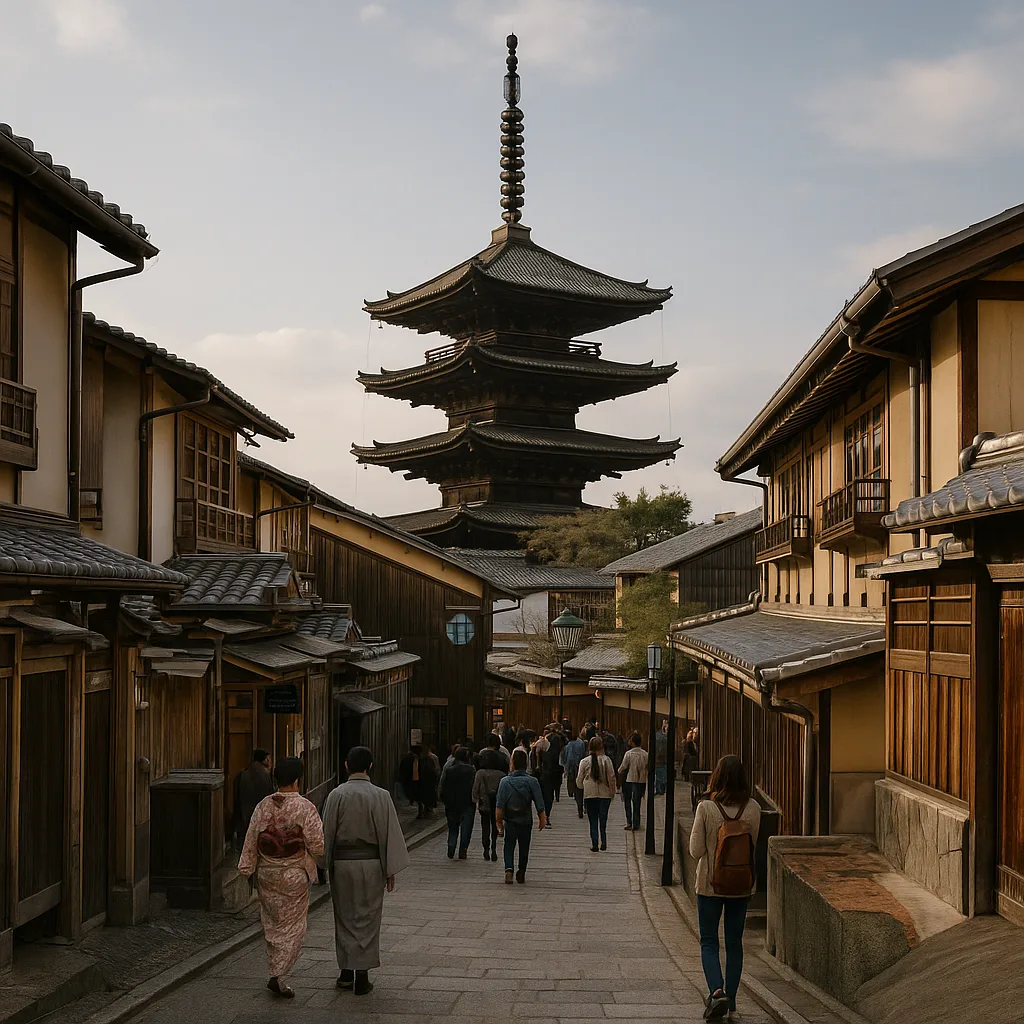
Kyoto's most famous geisha district is most atmospheric in the early evening when maiko and geiko walk to their appointments. Hanamikoji Street and the alleys off Shijo are the best spots for a chance encounter.
Nishiki Market
Kyoto's 'Kitchen' is a narrow 400-meter covered market arcade with over 100 stalls selling pickled vegetables, fresh tofu, grilled skewers, matcha products, and knives — perfect for food lovers.
Philosopher's Path
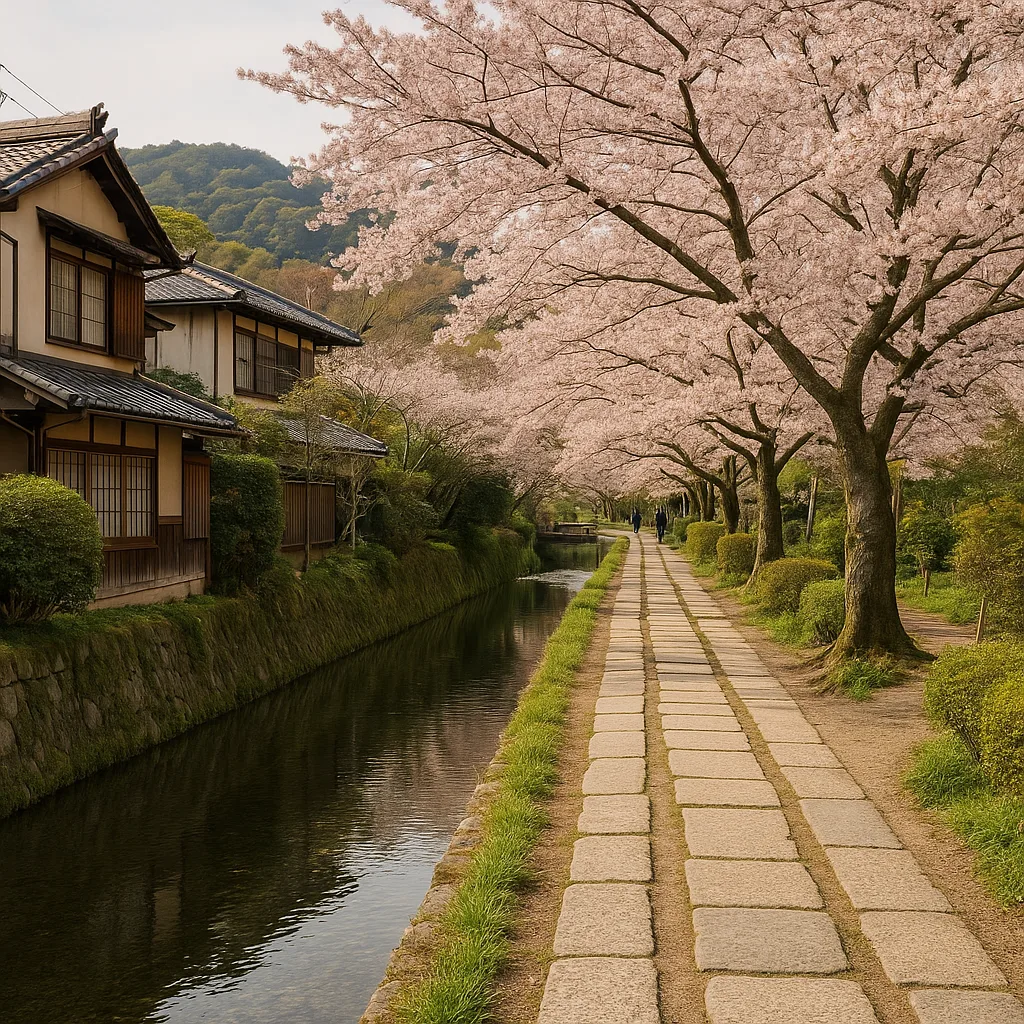
A 2km stone path along a canal lined with cherry trees, connecting several important temples including Nanzen-ji. In late March, it becomes one of Japan's most celebrated cherry blossom walks.
Best Neighborhoods in Kyoto
Gion
Kyoto's historic entertainment district has perfectly preserved 17th-century machiya townhouses converted into exclusive restaurants, sake bars, and the headquarters of traditional geisha culture.
Higashiyama
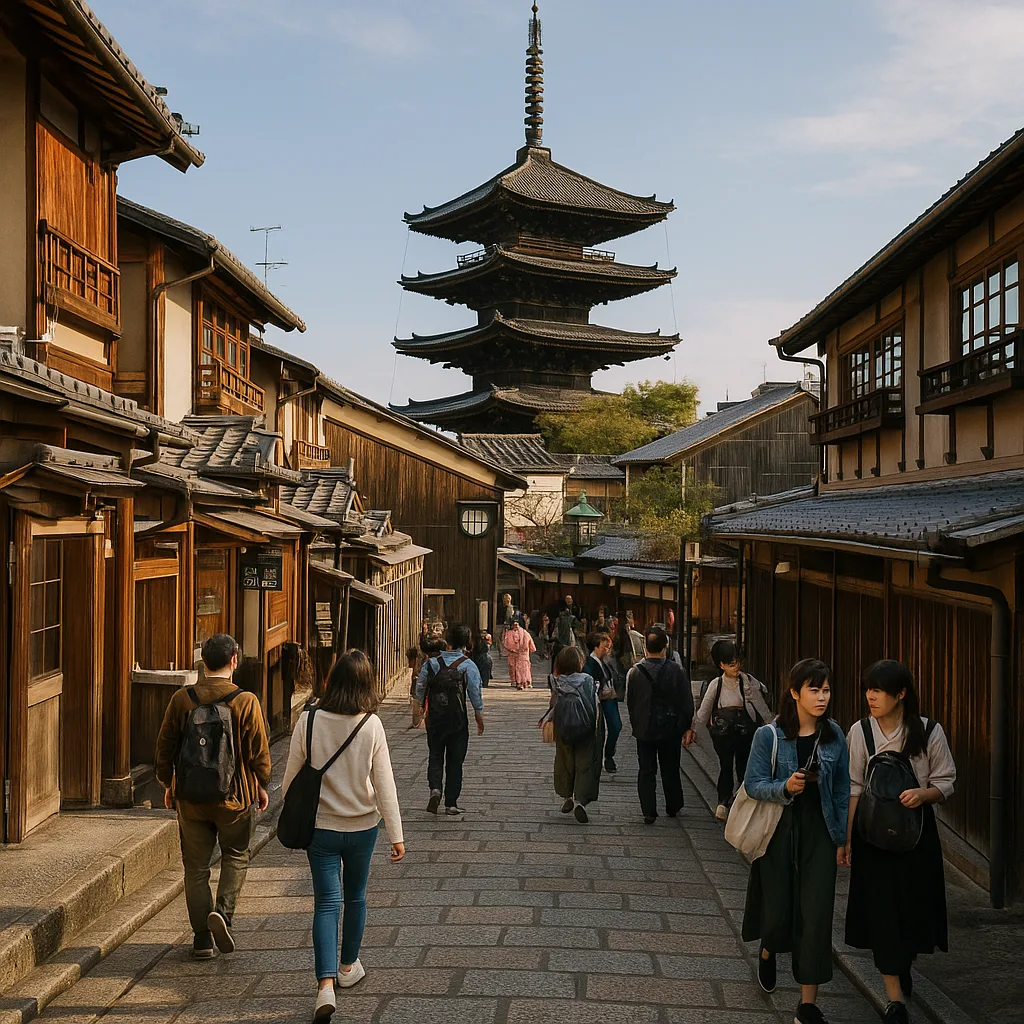
The temple-dense historic district along the eastern foothills is Kyoto's most atmospheric walking area, with cobblestone Ninenzaka and Sannenzaka lanes leading to Kiyomizu-dera temple.
Arashiyama
The bamboo-forested western district has a beautiful riverside setting, excellent tofu restaurants, the Tenryu-ji garden (a UNESCO site), and the famous bamboo grove.
What to Eat in Kyoto
- Kaiseki multi-course dinner at any traditional ryokan
- Yudofu (tofu hot pot) in Arashiyama
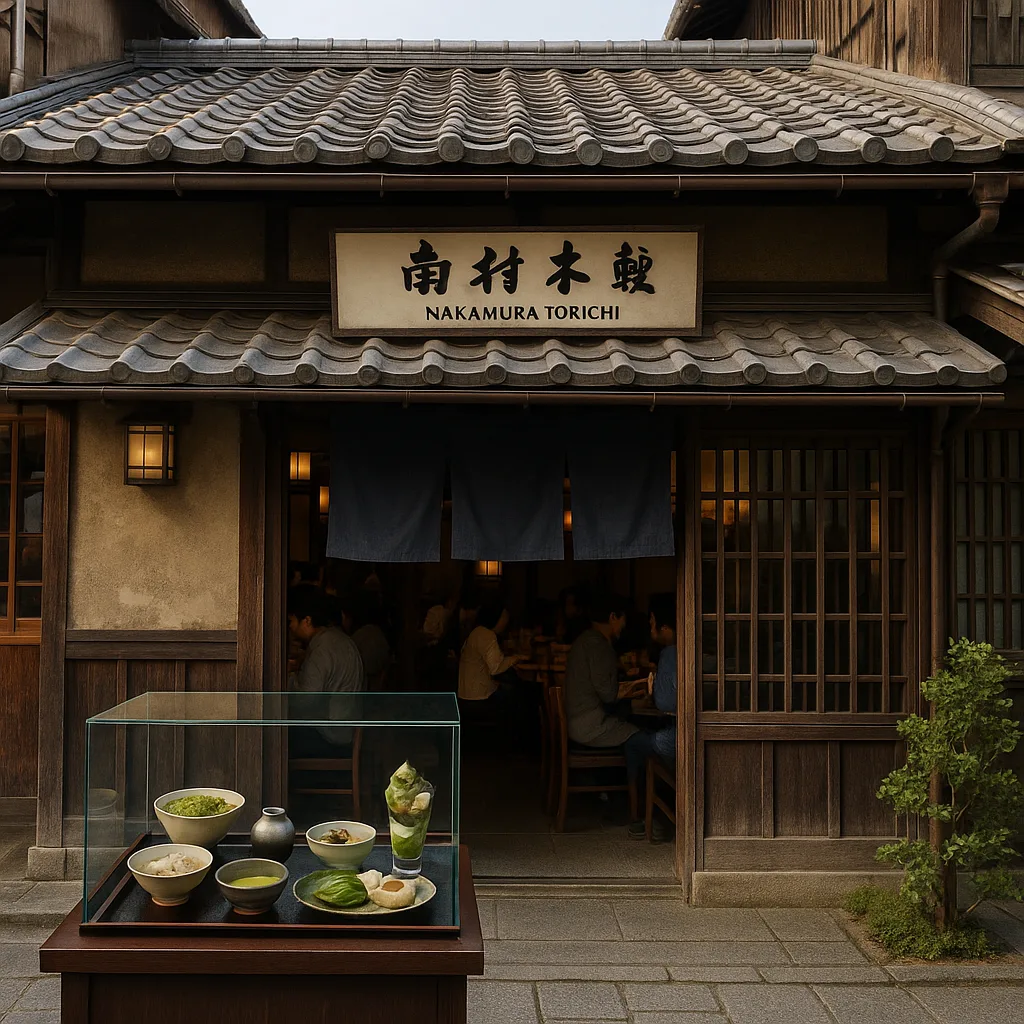
- Matcha parfait at Nakamura Tokichi in Uji
- Kyo-kaiseki bento from Nishiki Market
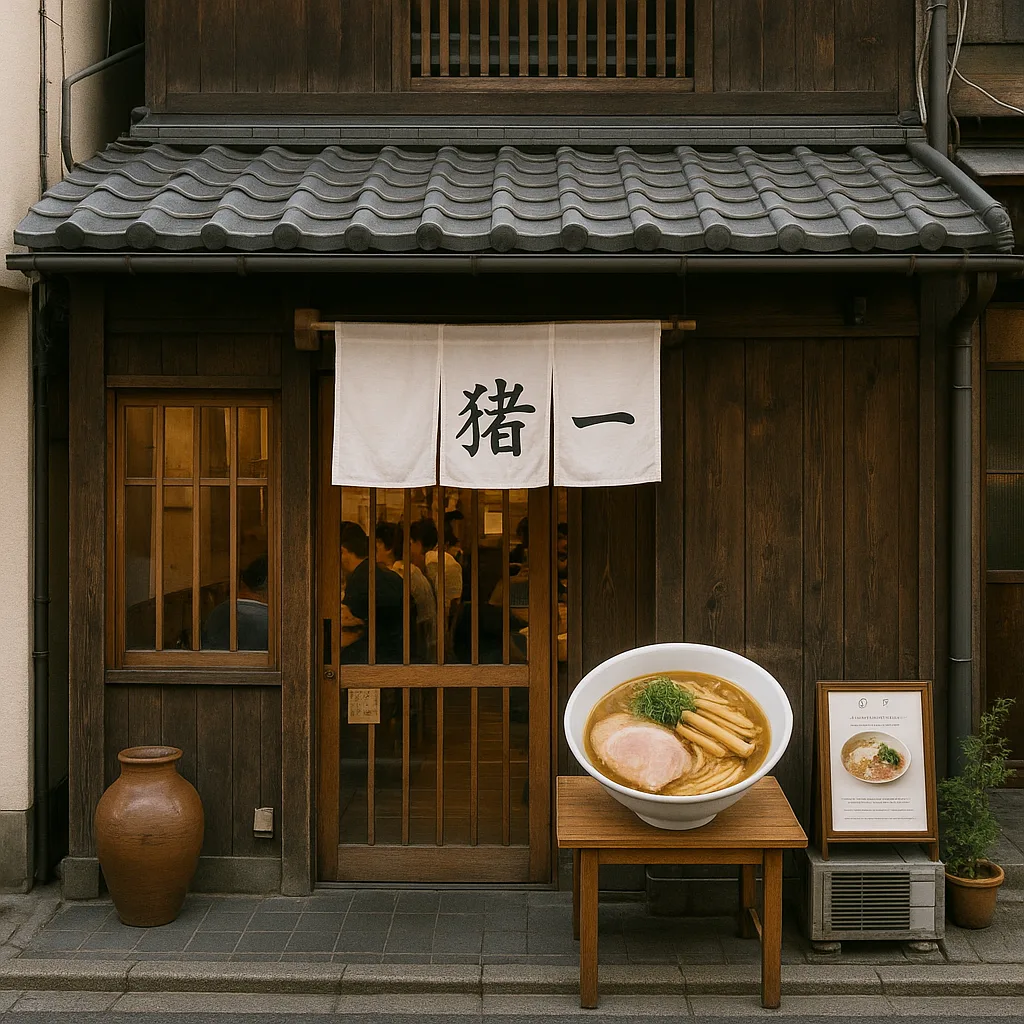
- Ramen at Menya Inoichi in central Kyoto
- Wagashi (traditional sweets) with tea ceremony
Best Time to Visit Kyoto
March to May for cherry blossoms (peak late March–early April) and autumn foliage (peak mid–late November) — the most magical times in Kyoto but also the most crowded and expensive. June brings beautiful hydrangeas and misty temple gardens. Winter offers serene, snow-dusted temples with minimal crowds.
Getting to and Around Kyoto
Kansai International (KIX) is 75 minutes from Kyoto Station on the JR Haruka limited express (about ¥3,100–¥3,600, or ¥2,200 with the Haruka discount ticket for foreign passport holders); the airport limousine bus is about ¥2,800 and takes 90 minutes. From Osaka Itami (ITM) the bus takes 55 minutes for about ¥1,400. Tokyo to Kyoto is 2 hours 15 minutes on the Nozomi shinkansen (about ¥14,000 one way). Kyoto itself is a grid served mainly by buses: city buses cost ¥230 a ride, and since the ¥700 bus-only day pass was withdrawn in 2024 the pass to buy is the combined subway-and-bus one-day ticket for ¥1,100. Routes 100 and 206 along Higashiyama are jammed from 10am to 4pm, so use the trains where they exist: Fushimi Inari is two stops from Kyoto Station on the JR Nara line (5 minutes, ¥150); Arashiyama is 16 minutes on the JR Sagano line to Saga-Arashiyama (¥240) or a ride on the little Randen tram from Shijo-Omiya; Kinkaku-ji needs bus 205 or a ¥1,500 taxi. The two subway lines (Karasuma north–south, Tozai east–west) cross at Karasuma-Oike. Tap an ICOCA or Suica card everywhere. Bicycles are ideal for the flat central and eastern districts (¥1,000–¥1,500 a day; park only in marked lots or the bike is impounded), and taxis are plentiful and honest, ¥1,200–¥2,000 for most rides between sights. Expect to walk 15 km a day in Higashiyama.
Where to Stay in Kyoto
Downtown around Shijo–Kawaramachi and Karasuma is the practical base: department stores, Nishiki Market, both subway lines and the Hankyu line, with business hotels at ¥12,000–¥20,000 a night and boutique hotels at ¥25,000–¥45,000. Gion and Higashiyama east of the Kamo River are where the machiya townhouse inns are, ¥20,000–¥40,000 for a restored house or a small ryokan, with a kaiseki dinner from ¥35,000 a person, and the temple lanes are empty outside your door at 7am, which is the whole point of staying there. Kyoto Station's south and north sides have the largest chain hotels (¥10,000–¥18,000) and the fastest starts for Fushimi Inari, Nara and day trips, at the cost of any atmosphere. Arashiyama is a beautiful one-night choice for the bamboo grove at dawn, with riverside ryokan from ¥30,000. Budget travellers should look at the guesthouses and capsule hotels between Kyoto Station and Gojo (¥3,500–¥7,000 a bed or small room). Cherry blossom (late March to early April) and autumn colour (mid to late November) double rates and sell out four to six months ahead; the city's accommodation tax adds ¥200–¥1,000 per person per night depending on the room rate.
3 Days in Kyoto: A Sample Itinerary
Every stop below is one of the places named in this guide. Use it as a starting point, or let the planner build a version around your dates, pace and budget.
Day 1: Higashiyama, the Philosopher's Path and Gion
Morning: Higashiyama
Kiyomizu-dera at its 6am opening, then down through the Sannenzaka and Ninenzaka lanes of Higashiyama before the shops open, with a matcha and a wagashi sweet at a teahouse along the way.
Afternoon: Philosopher's Path
The Philosopher's Path from Nanzen-ji, with its brick aqueduct, 2 km north along the canal to Ginkaku-ji's silver pavilion and sand garden, then yudofu or a matcha parfait in the cafés near Ginkaku-ji.
Evening: Gion District
Gion District at dusk, when the lanterns come on along Hanamikoji Street and maiko walk to their engagements; stay on the public streets, since the private alleys of Gion have been closed to tourists with fines since 2024, then dinner at an izakaya on Pontocho alley across the river.
Day 2: Fushimi Inari, Nishiki and Kinkaku-ji
Morning: Fushimi Inari Taisha
The 7am JR Nara line train to Inari station and the torii tunnels of Fushimi Inari Taisha: most visitors turn back at the Yotsutsuji crossroads, so continue to the summit loop (two hours in total) for empty gates.
Afternoon: Kinkaku-ji (Golden Pavilion)
Back to town for lunch at Nishiki Market's 130 stalls (tamagoyaki, pickles, sesame ice cream), then bus 205 or a taxi to Kinkaku-ji (¥500), the Golden Pavilion, best photographed after 3pm when the western light hits the gold leaf.
Evening: Menya Inoichi
Ramen at Menya Inoichi in central Kyoto, then a tea ceremony (booked ahead) or a walk along the Kamo River banks, where couples sit spaced out along the water on every mild evening.
Day 3: Arashiyama and a detour to Uji
Morning: Arashiyama Bamboo Grove
The 7:30am JR Sagano line to Saga-Arashiyama and the Arashiyama Bamboo Grove before 8am, when it is still silent, then Tenryu-ji's garden at its 8:30am opening and the monkeys of Iwatayama above the Togetsukyo bridge.
Afternoon: Sagano Scenic Railway
A yudofu tofu lunch in Arashiyama at Shigetsu inside Tenryu-ji or at Yudofu Sagano, then the Sagano Scenic Railway's 25-minute ride up the Hozu gorge (book seats; it runs March to December).
Evening: Nakamura Tokichi
The JR Nara line 20 minutes south to Uji for a matcha parfait at Nakamura Tokichi and the Byodo-in temple from the ¥10 coin before it closes at 5:30pm, then a farewell kaiseki dinner back in Kyoto.
Plan this trip — get a personalized day-by-day Kyoto itinerary with drive times, restaurant picks and a packing list.
Kyoto Travel Tips
- Stay in a traditional ryokan for at least one night — the breakfast, onsen bath, and futon sleeping experience is unmissable
- Rent a bicycle — Kyoto's flat central districts and the Philosopher's Path are perfectly suited to cycling
- Book popular restaurants and tea ceremonies weeks in advance — Kyoto's best spots fill up fast
- Kyoto and Osaka work perfectly as a base — 15 minutes apart by shinkansen, offering very different experiences
- Cherry blossom and autumn foliage periods are Japan's most heavily booked weeks — plan accommodation months ahead
Kyoto FAQ
When is the best time to visit Kyoto?
March to May for cherry blossoms (peak late March–early April) and autumn foliage (peak mid–late November) — the most magical times in Kyoto but also the most crowded and expensive. June brings beautiful hydrangeas and misty temple gardens. Winter offers serene, snow-dusted temples with minimal crowds.
How much does a day in Kyoto cost?
Plan on an average daily budget of $80–$160/day in Kyoto. The local currency is the Japanese Yen (¥).
How do I get around Kyoto?
Rent a bicycle — Kyoto's flat central districts and the Philosopher's Path are perfectly suited to cycling.
What are the top things to do in Kyoto?
Top attractions in Kyoto include Fushimi Inari Taisha, Arashiyama Bamboo Grove, Kinkaku-ji (Golden Pavilion), Gion District and Nishiki Market. Kyoto is best for culture, temples, food and tradition.
What should I eat in Kyoto?
Must-try food in Kyoto includes Kaiseki multi-course dinner at any traditional ryokan, Yudofu (tofu hot pot) in Arashiyama, Matcha parfait at Nakamura Tokichi in Uji and Kyo-kaiseki bento from Nishiki Market.
Similar Destinations to Kyoto
- More in Asia → Japan or Southeast Asia for a first trip, a 14-day Tokyo, Kyoto and Bangkok route with the Shinkansen and one flight, visas and arrival cards, monsoon seasons and daily budgets.