Things to Do in Prague, Czech Republic
The City of a Hundred Spires — Medieval Magic at Every Turn
- Average daily budget
- $60–$110/day
- Currency
- Czech Crown (CZK)
- Language
- Czech
- Best for
- History, Architecture, Beer, Budget Travel
About Prague
Prague is arguably Europe's most beautiful city — a fairy-tale metropolis of Gothic spires, Baroque palaces, Art Nouveau masterpieces, and medieval bridges that somehow survived World War II almost entirely intact. Walking the cobblestone streets of Old Town and Malá Strana feels like stepping directly into the Middle Ages, while the world-class beer, affordable restaurants, and vibrant nightlife ensure the city is very much alive in the present. Prague consistently ranks among Europe's top city-break destinations, and for very good reason.
Top Attractions in Prague
Prague Castle
The largest ancient castle complex in the world sits on a hill overlooking the city. The complex includes St. Vitus Cathedral, the Old Royal Palace, Basilica of St. George, and the atmospheric Golden Lane.
Charles Bridge
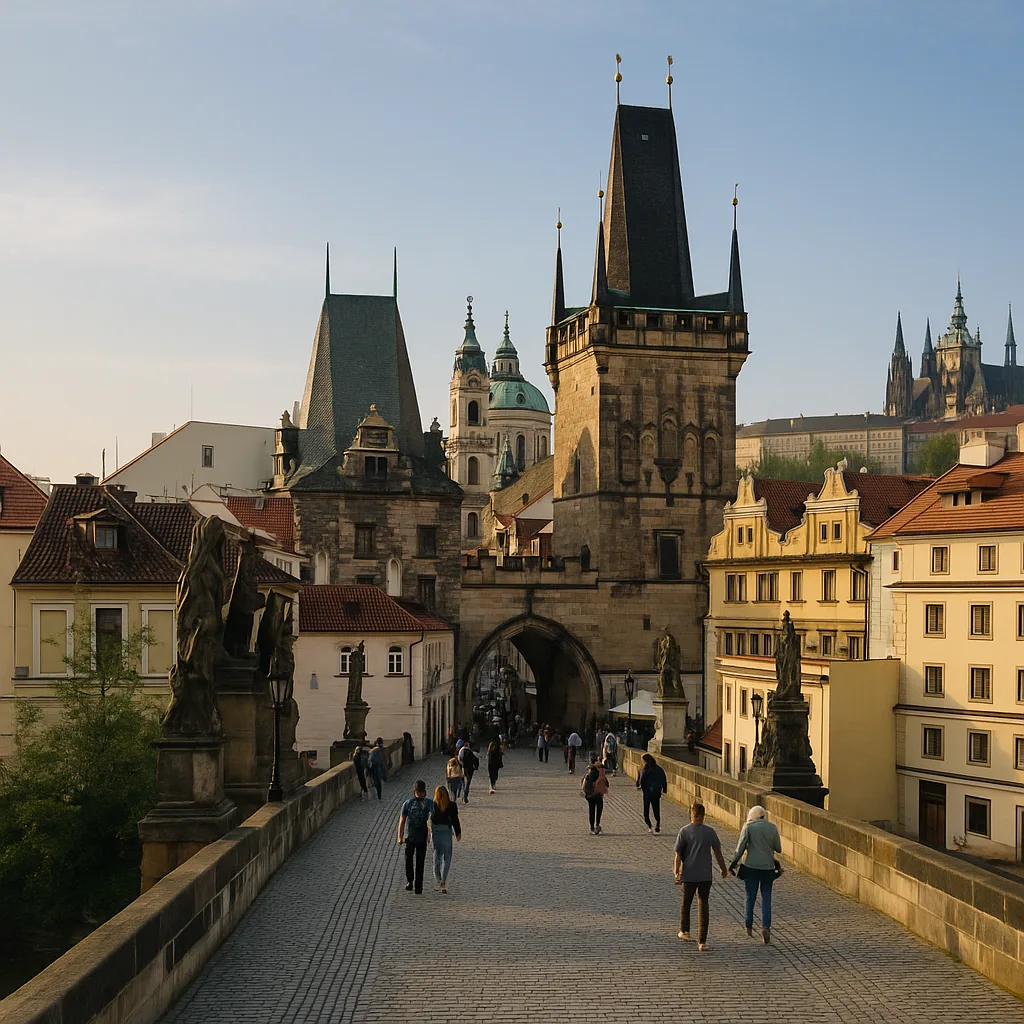
This 14th-century stone bridge lined with 30 Baroque statues connects Old Town to Malá Strana. Cross it at dawn for a magical, nearly crowd-free experience with views up the Vltava.
Old Town Square & Astronomical Clock
The medieval heart of Prague gathers all its grandeur in one square: the 15th-century Astronomical Clock (which performs every hour), Gothic Týn Church, and Baroque St. Nicholas Church.
Josefov (Jewish Quarter)
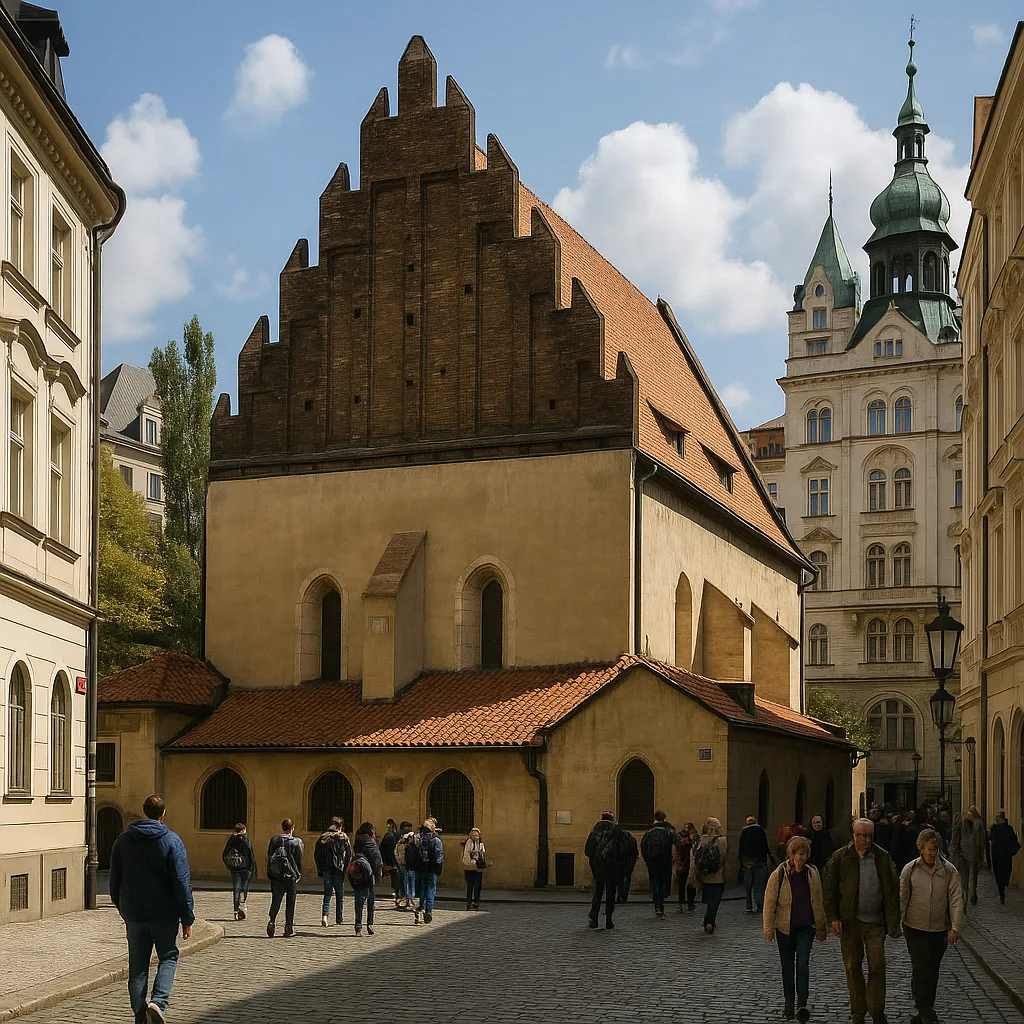
One of Europe's best-preserved Jewish quarters contains six historic synagogues and a cemetery where 12,000 people are buried in layers. The Franz Kafka birthplace is nearby.
Vyšehrad Fortress
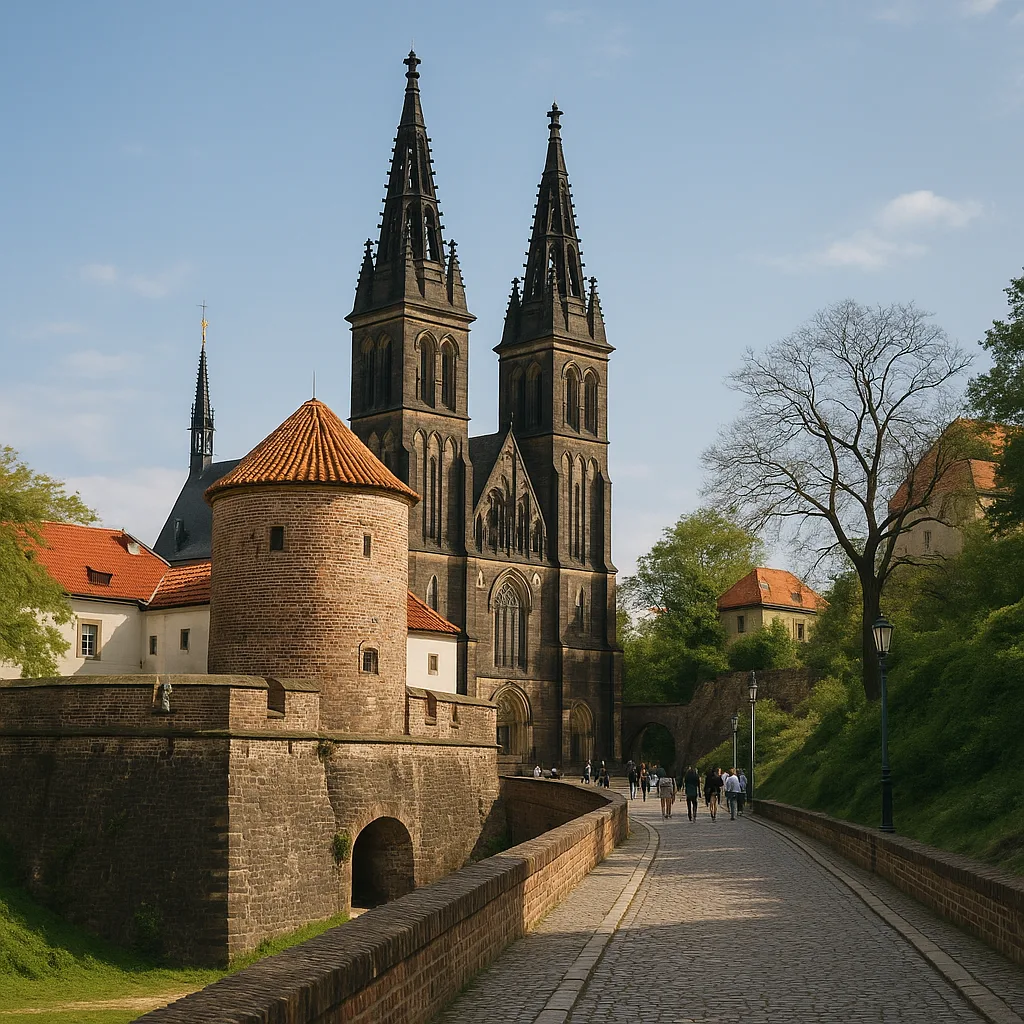
This lesser-visited fortress south of the city has a beautiful Neo-Gothic basilica, parks with city views, and a cemetery where Dvořák and Smetana are buried — far fewer tourists than Prague Castle.
Best Neighborhoods in Prague
Vinohrady
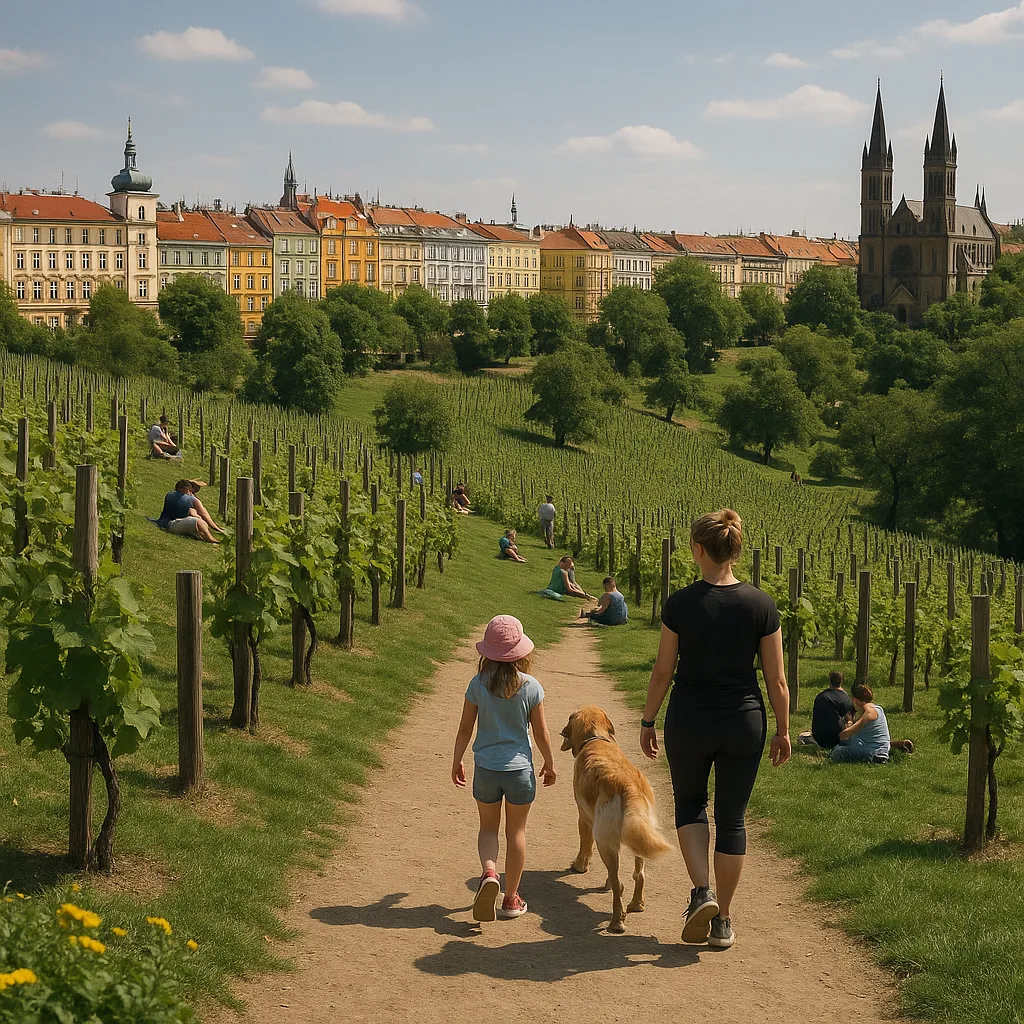
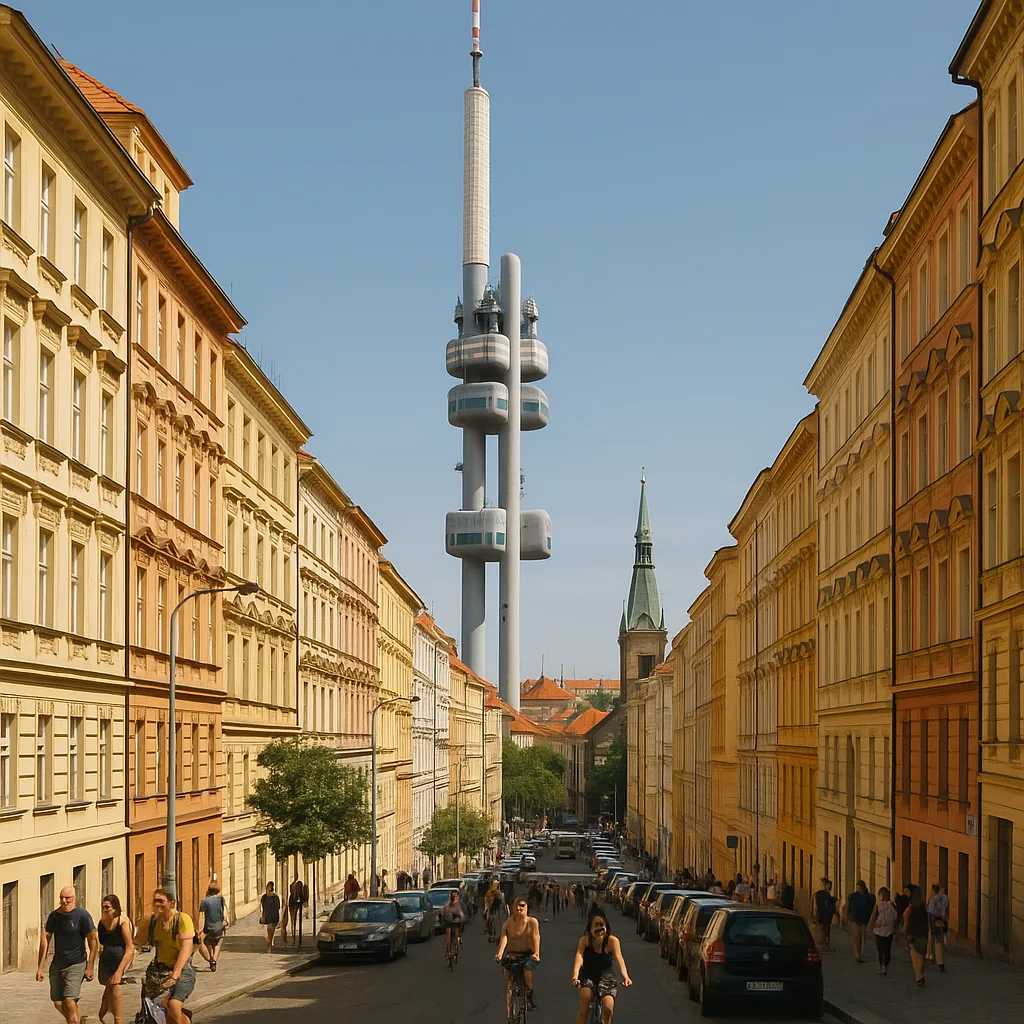
Prague's most liveable neighborhood has beautiful Art Nouveau apartment buildings, excellent wine bars, farm-to-table restaurants, and a genuine local atmosphere far from the tourist center.
Malá Strana
The romantic 'Little Quarter' below Prague Castle is all Baroque gardens, charming restaurants in vaulted cellars, and winding cobblestone lanes. Stay here for maximum atmosphere.
Žižkov
Prague's famously eccentric bohemian neighborhood has more pubs per capita than anywhere in the world and the bizarre Žižkov Television Tower with crawling David Černý babies.
What to Eat in Prague
- Svíčková (beef sirloin in cream sauce) at U Modré kachničky
- Trdelník (chimney cake) — a Prague classic even if touristy
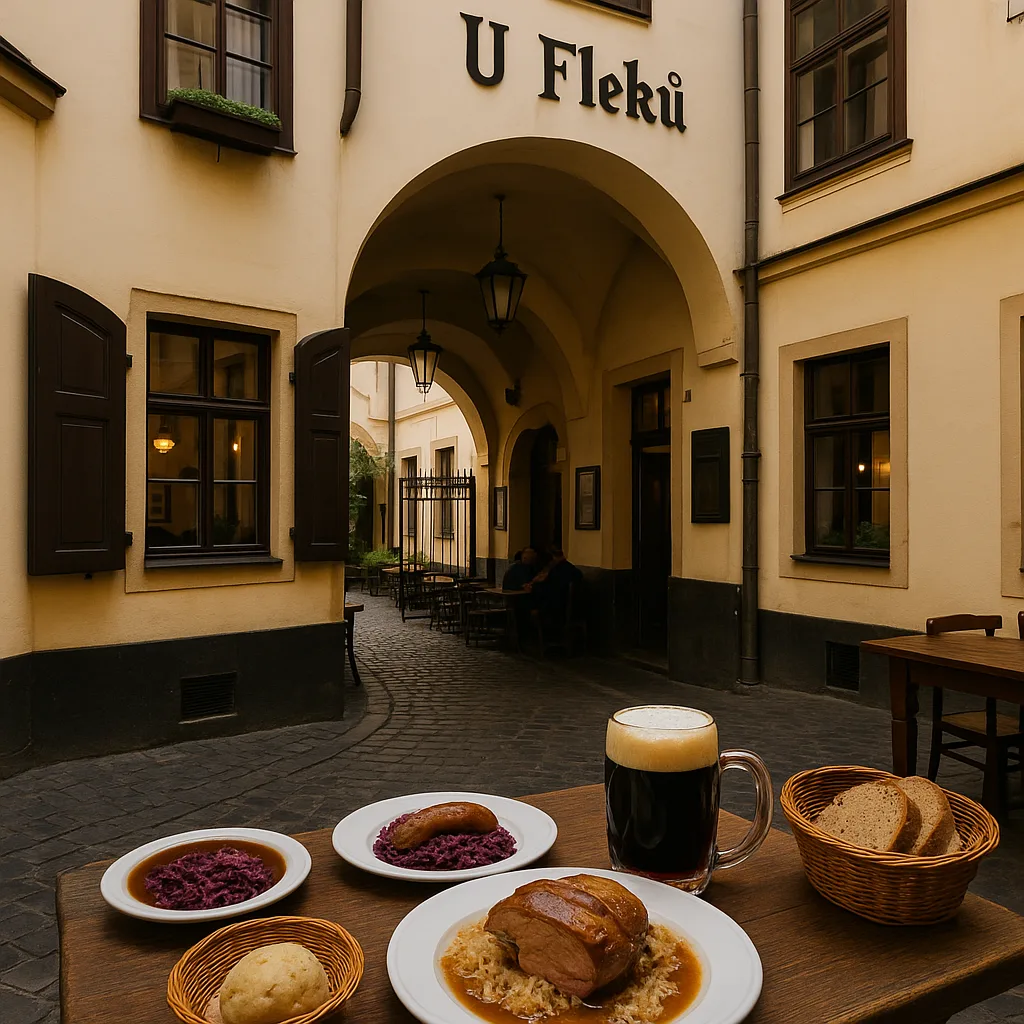
- Dark lager at U Fleků (brewing in the same house since 1499)
- Vepřo knedlo zelo (roast pork, dumplings and sauerkraut) at Lokál
- Chlebíčky (open-faced sandwiches)
- Smažený sýr (fried cheese) from street stands
Best Time to Visit Prague
May, June, September, and October are ideal — comfortable temperatures and manageable crowds. July and August are busy and can feel overrun with tourists in Old Town. December brings beautiful Christmas markets in Old Town Square. January and February are cold but offer a magical, quiet Prague.
Getting to and Around Prague
Václav Havel Airport (PRG) is 17 km west of the centre with no rail link. Bus 119 runs every 5–10 minutes to Nádraží Veleslavín metro station (Line A, green) in 17 minutes, from where Malostranská, Staroměstská and Můstek are 10–15 minutes further, all on a single 90-minute ticket for 40 CZK; the Airport Express bus goes non-stop to the main railway station (Hlavní nádraží) in about 35 minutes for 100 CZK, and a Bolt, Uber or the official airport taxi is 600–900 CZK. Prague's public transport is among Europe's best: three metro lines, some 30 tram routes and night trams after midnight, all on the same tickets, 30 CZK for 30 minutes, 40 CZK for 90 minutes, 120 CZK for 24 hours and 330 CZK for 72 hours, bought from the yellow machines (contactless cards accepted), the PID Lítačka app or by tapping a bank card on board the newer trams. Validate paper tickets in the yellow boxes. Tram 22 is the sightseeing line, from Náměstí Míru in Vinohrady past the National Theatre and through Malá Strana up to Prague Castle (stop Pražský hrad), which saves the climb. The historic centre is compact: Old Town Square to Charles Bridge is a 5-minute walk, Charles Bridge to the castle gate about 20 minutes uphill on cobbles. Trains to Vienna (4 hours), Berlin (4.5 hours) and Kutná Hora (1 hour) leave from Hlavní nádraží. Avoid the taxi ranks around Old Town Square and the station, and the private exchange booths that advertise 0% commission with terrible rates.
Where to Stay in Prague
Malá Strana is the address for atmosphere: baroque houses under the castle with boutique hotels at 4,000–7,000 CZK (€160–€280) a night in the May–June and September–October shoulder seasons, quiet after 10pm and 15 minutes on foot from Old Town across Charles Bridge. Staré Město (Old Town) has the largest choice and the highest prices, from 2,500 CZK guesthouses in the lanes to 8,000 CZK-plus palaces on Pařížská; ask for a courtyard room, since the pub crawls run until 3am. Vinohrady is the pick for a longer stay and the best value, with Art Nouveau apartment rentals and small hotels at 2,000–3,500 CZK, tree-lined squares, wine bars and Line A or Tram 22 to the centre in 10 minutes. Žižkov, next door, is cheaper again (hostels from 400 CZK a bed, rooms 1,500–2,500 CZK) and the liveliest pub district in the city. Nové Město around Wenceslas Square is central and convenient, but the square itself is loud and seedy after dark. December's Christmas markets and the Easter weekend push rates up 40–60%, while January and February bring the lowest prices of the year, often under 2,000 CZK for a good Old Town hotel.
3 Days in Prague: A Sample Itinerary
Every stop below is one of the places named in this guide. Use it as a starting point, or let the planner build a version around your dates, pace and budget.
Day 1: Old Town, Josefov and Charles Bridge
Morning: Old Town Square & Astronomical Clock
Old Town Square & Astronomical Clock at 9am, before the crowds gather for the hourly show, then the tower of the Old Town Hall for the view over the Týn Church spires and a walk into Josefov for the Old-New Synagogue and the Old Jewish Cemetery (Jewish Museum ticket about 500 CZK).
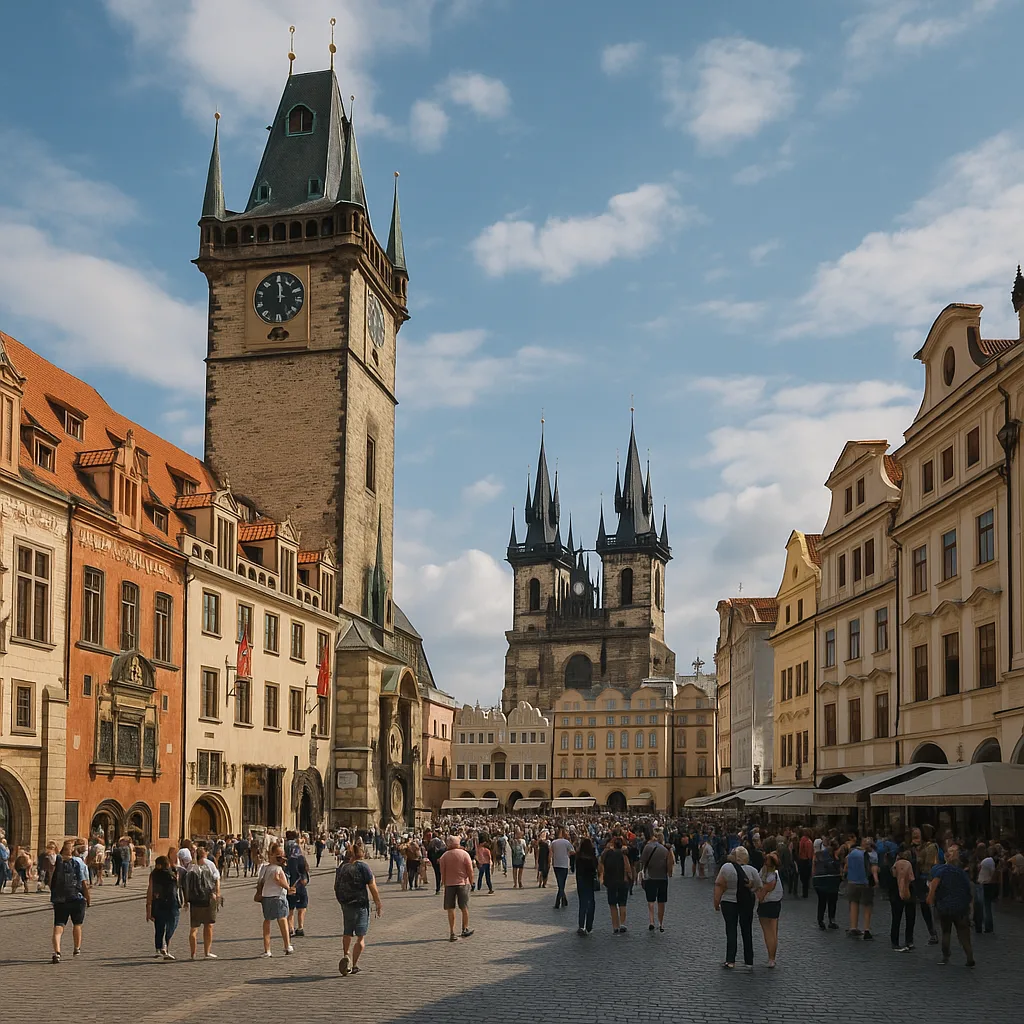
Afternoon: Josefov (Jewish Quarter)
Chlebíčky from a lahůdky deli on the way to lunch at Lokál on Dlouhá street (roast pork, dumplings and tank-fresh Pilsner Urquell), then Josefov's Spanish Synagogue and the Pařížská boulevard down to the river.
Evening: Charles Bridge
Charles Bridge at dusk when the statues are lit and the day-trippers have gone, a beer in a Malá Strana cellar pub, then svíčková at U Modré kachničky (book ahead).
Day 2: Prague Castle and Malá Strana
Morning: Prague Castle
Tram 22 to Pražský hrad and Prague Castle when the courtyards open at 6am (the historic buildings from 9am): St. Vitus Cathedral, the Old Royal Palace and Golden Lane, and the changing of the guard at noon.
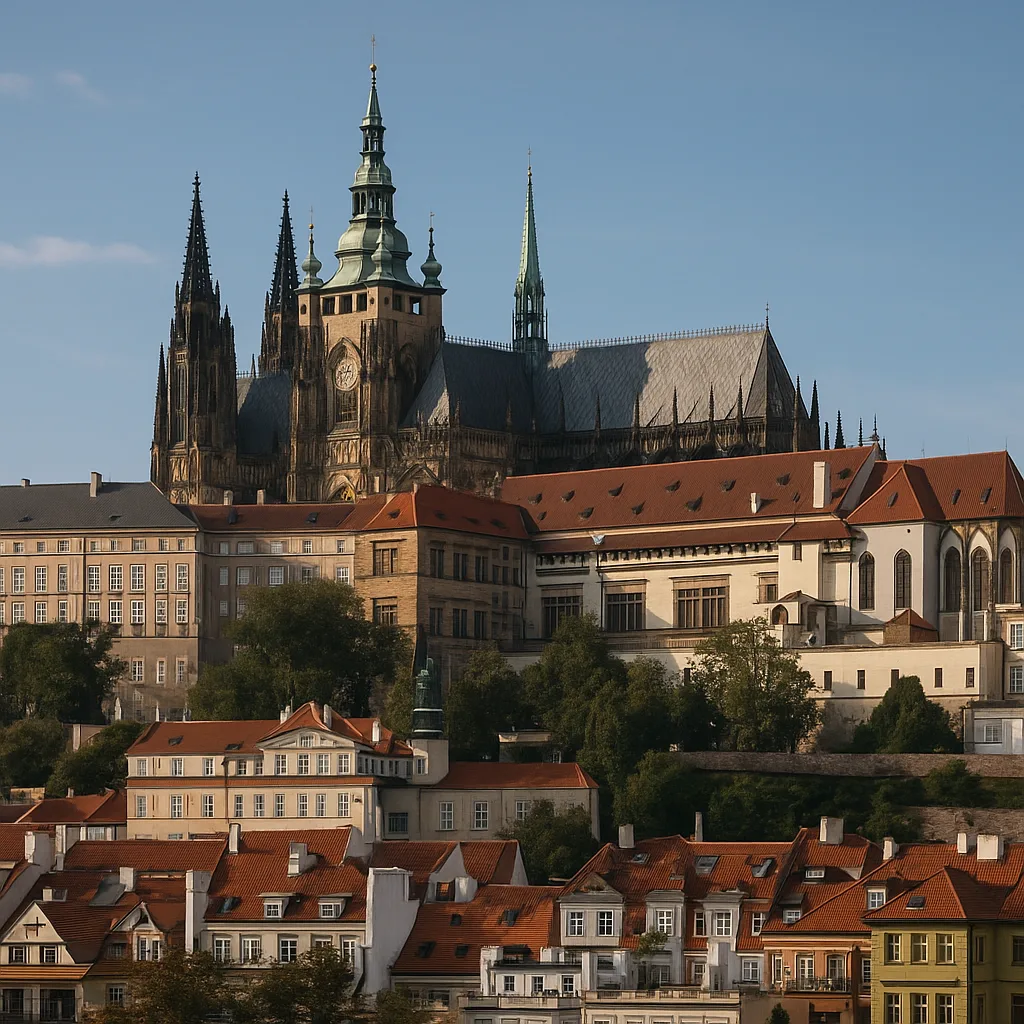
Afternoon: Malá Strana
Walk down the Old Castle Steps into Malá Strana: the Wallenstein Garden, St. Nicholas Church, the Lennon Wall and a late lunch of smažený sýr and a Kozel dark at a pub on Nerudova street.
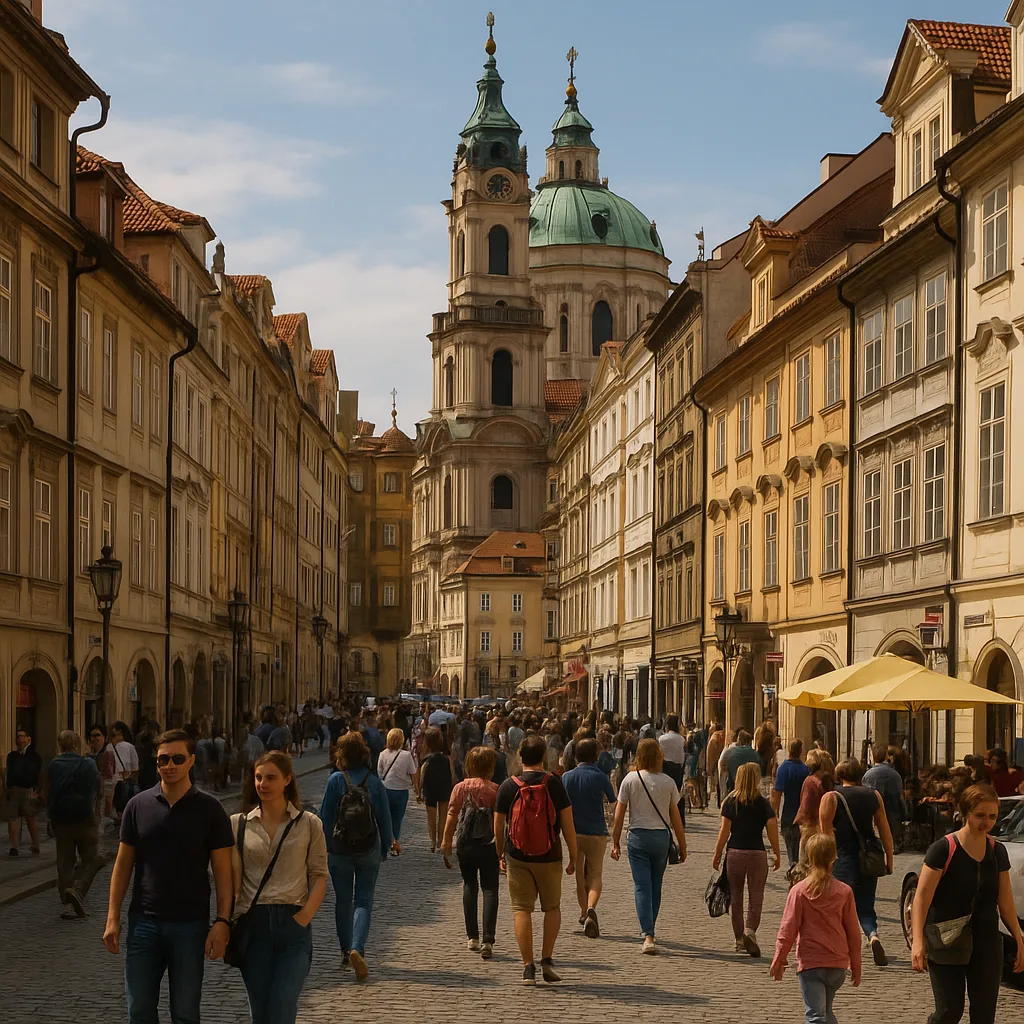
Evening: U Fleků
Petřín Hill by funicular for sunset over the city (a tram ticket covers it), then the dark lager at U Fleků, brewing in the same house on Křemencova street since 1499, with the house brass band.
Day 3: Vyšehrad, Vinohrady and Žižkov
Morning: Vyšehrad Fortress
Metro Line C to Vyšehrad Fortress for the neo-Gothic Basilica of St. Peter and St. Paul, the cemetery where Dvořák and Smetana are buried and the ramparts above the Vltava, all quiet even in August.
Afternoon: Vinohrady
Tram to Vinohrady for lunch on Náměstí Míru or in Riegrovy sady's beer garden, then the shops and cafés along Korunní and Vinohradská streets.
Evening: Žižkov
Žižkov: the television tower's observation deck at sunset (David Černý's babies climbing the outside), then a crawl through the neighbourhood's pubs, which outnumber any other district's, finishing at U Vystřelenýho oka.
Plan this trip — get a personalized day-by-day Prague itinerary with drive times, restaurant picks and a packing list.
Prague Travel Tips
- Prague is very walkable — the main sights in Old Town and Malá Strana are easily covered on foot
- Taxis from the rank can overcharge tourists — use Bolt or Liftago apps for honest metered fares
- Czech crowns (CZK) are required — avoid euro exchange points that charge high fees
- Most menus have English translations, but heading to a local neighborhood pub requires some adventurous ordering
- The Lesser Town (Malá Strana) side of Charles Bridge is far less crowded than the Old Town side
Prague FAQ
When is the best time to visit Prague?
May, June, September, and October are ideal — comfortable temperatures and manageable crowds. July and August are busy and can feel overrun with tourists in Old Town. December brings beautiful Christmas markets in Old Town Square. January and February are cold but offer a magical, quiet Prague.
How much does a day in Prague cost?
Plan on an average daily budget of $60–$110/day in Prague. The local currency is the Czech Crown (CZK).
How do I get around Prague?
Prague is very walkable — the main sights in Old Town and Malá Strana are easily covered on foot.
What are the top things to do in Prague?
Top attractions in Prague include Prague Castle, Charles Bridge, Old Town Square & Astronomical Clock, Josefov (Jewish Quarter) and Vyšehrad Fortress. Prague is best for history, architecture, beer and budget travel.
What should I eat in Prague?
Must-try food in Prague includes Svíčková (beef sirloin in cream sauce) at U Modré kachničky, Trdelník (chimney cake) — a Prague classic even if touristy, Dark lager at U Fleků (brewing in the same house since 1499) and Vepřo knedlo zelo (roast pork, dumplings and sauerkraut) at Lokál.
Similar Destinations to Prague
- More in Europe → Which cities for a first trip, a 12-day London, Paris and Rome route by Eurostar and one flight, rail passes, ETIAS and Schengen rules, seasons and daily budgets.